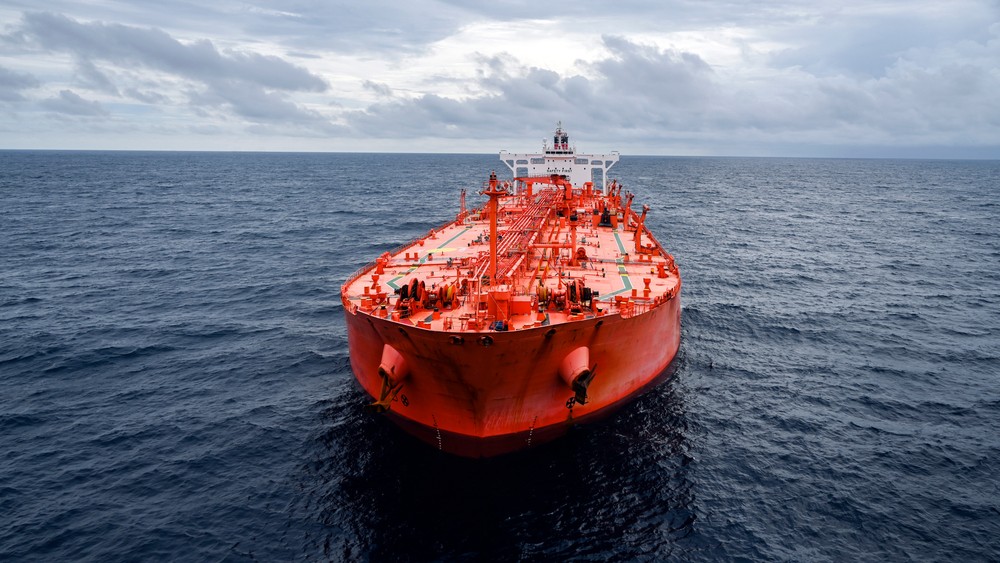
Saudi Arabia has reduced the price of its main crude oil exports to Asia, responding to an interim peace deal between the United States and Iran that has allowed oil shipments to resume through the Strait of Hormuz. The decision marks a significant price cut by Saudi Aramco, the largest since 2022, as nearly 10 million barrels of oil have been released, easing global supply concerns. The resumption of oil flow has contributed to a dip in Brent crude prices below $80 per barrel, reflecting a shift in market sentiment towards increased supply and reduced tensions in the region.
The interim peace deal, signed by President Trump, has facilitated the movement of oil previously trapped due to geopolitical tensions. As a result, Saudi Arabia and the UAE have nearly returned their crude shipments to pre-war levels, suggesting a potential stabilization in global oil markets. This development has led to a decrease in the probability of crude oil reaching a new all-time high by September 30, as markets adjust to the prospect of increased supply.
In market activity, the odds of crude oil hitting a new all-time high by September 30 have decreased to 2.6%, down from 10% a week ago. The December 31 market also reflects a similar sentiment, with odds now at 7.5%, a decrease from 16% a week prior. This trend suggests that market participants are factoring in the impact of Saudi Arabia’s price cuts and the resumed oil flows on future oil prices.