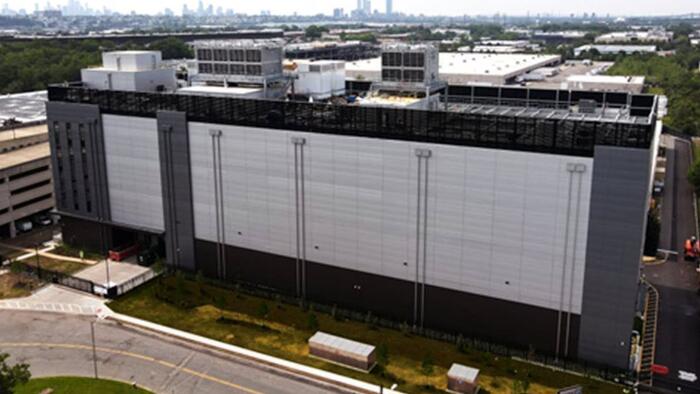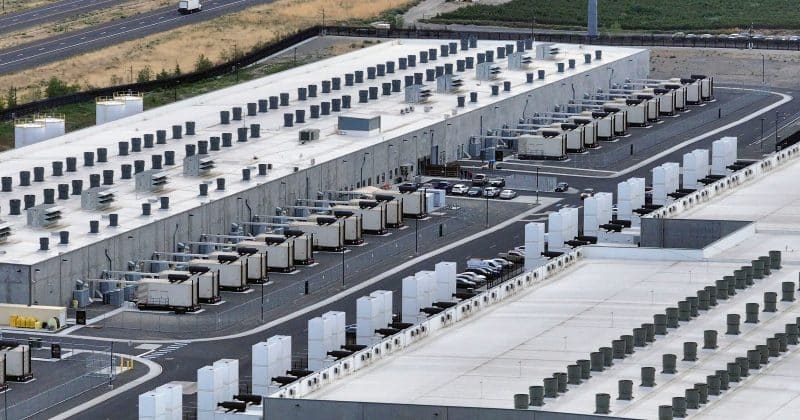
New Jersey just told data centers to stop freeloading on everyone else’s electric bill. Lawmakers passed bill A796/S731 on June 30, directing the state’s Board of Public Utilities to create a dedicated tariff for large-load data centers, a move designed to prevent regular ratepayers from subsidizing the massive grid upgrades these facilities demand.
The bill applies to any data center, new or existing, that consumes at least 50 MW of power. And the legislation is now sitting on Governor Mikie Sherrill’s desk, where it’s widely expected to be signed into law.
What the bill actually requires
A796/S731 changes that equation. The BPU has 12 months from the bill’s enactment to establish specific tariff standards for these facilities. Data centers subject to the tariff must commit to covering at least 85% of their requested electrical service for a minimum of 10 years. They’re also required to report performance annually, giving regulators ongoing visibility into whether these facilities are actually using what they asked for.
Earlier drafts of the legislation set the threshold at 100 MW, but amendments lowered it to 50 MW. That broader net captures a significantly larger number of facilities, including many crypto mining operations and mid-size AI training centers that might have slipped under the original bar.