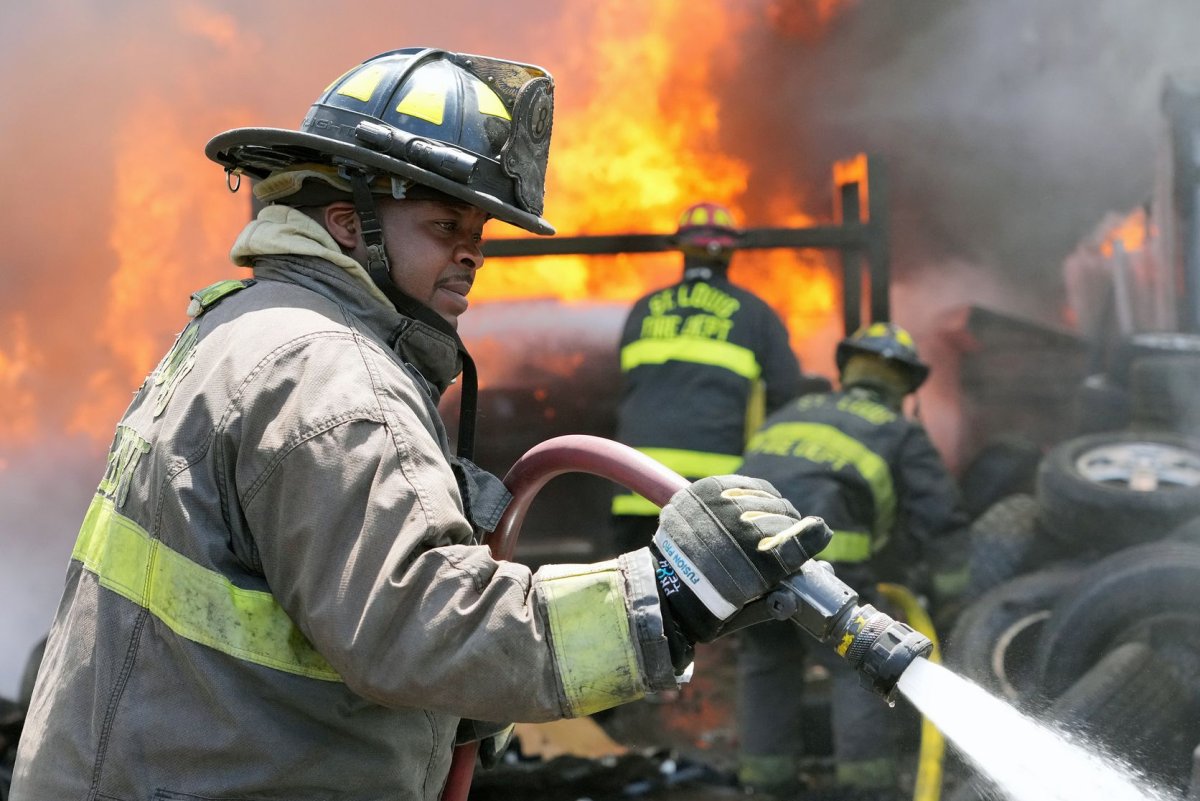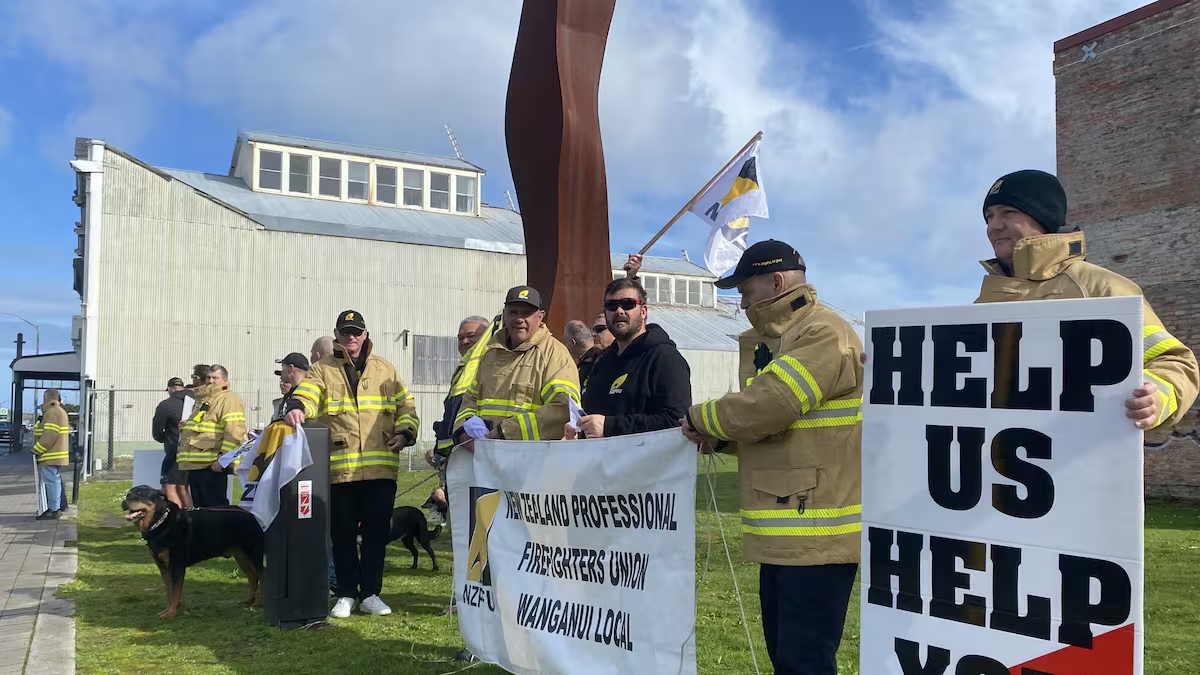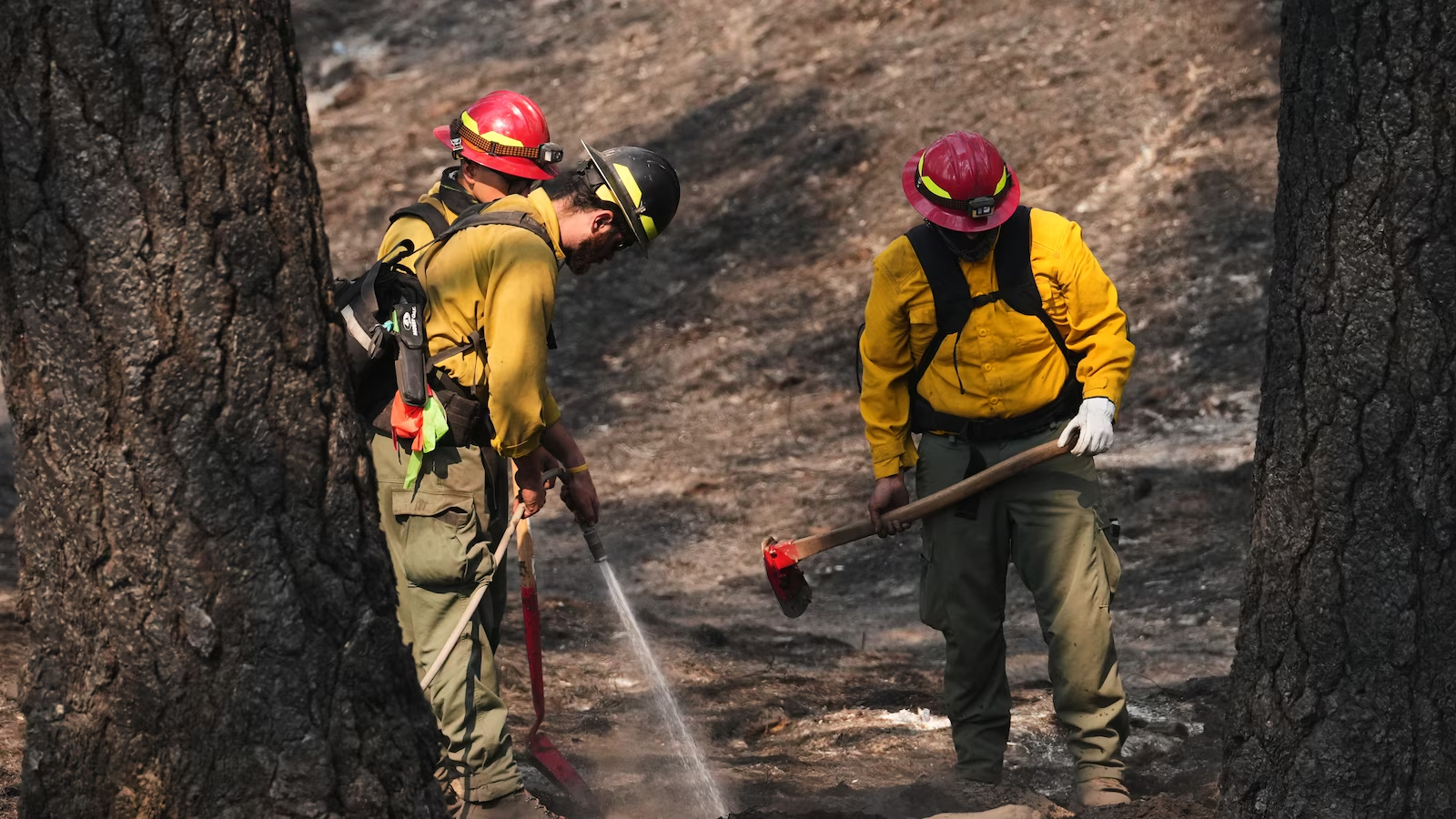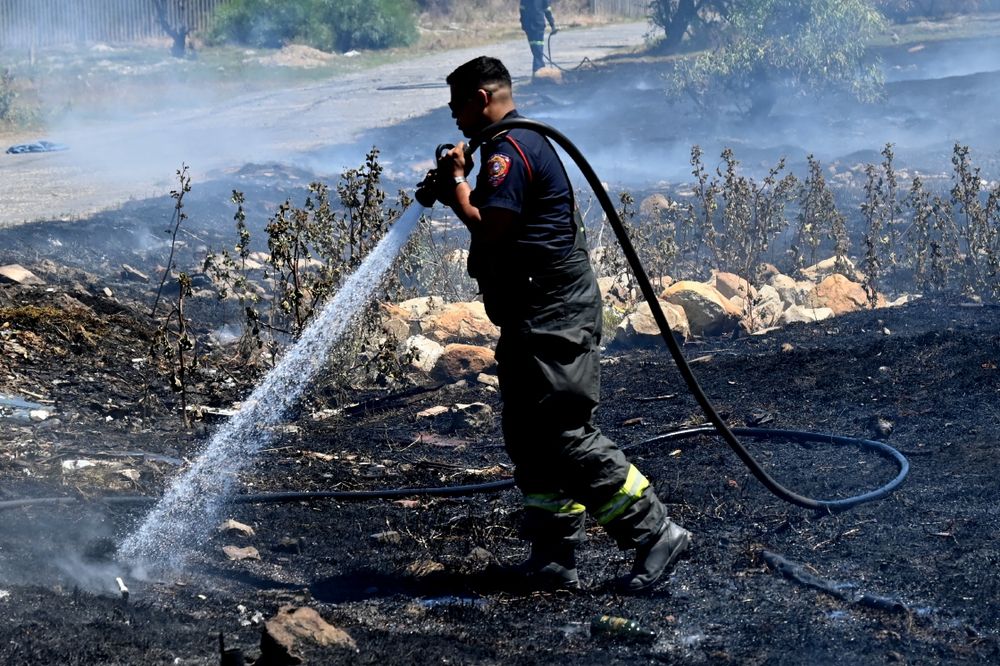
Research by the UWC has revealed that firefighters are suffering from smoke inhalation as a result of their work.
They are often the first to respond when fires and other emergencies strike, and while most have normal lung function, more than half of firefighters surveyed reported respiratory symptoms that may reflect the occupational hazards of repeated smoke exposure, a new study by the University of the Western Cape (UWC) has found.
The research, published in the International Journal of Environmental Research and Public Health, examined the lung health of 278 firefighters from the City of Cape Town Fire and Rescue Service. It found that more than half (53.6%) had experienced at least one respiratory symptom, highlighting the occupational health risks associated with firefighting.
The most common complaints were coughing, reported by 54.4% of participants, and nasal congestion, reported by almost 41%. Firefighters aged 30 to 49 were more likely to report respiratory symptoms than their younger or older counterparts.
Led by Dr Jaron Ras, a senior lecturer in the Department of Sport, Recreation and Exercise Science, and co-authored by Prof Lloyd Leach and Jordan Sasha Kaylor, the study also found that firefighters with a higher body mass index (BMI), a greater percentage of body fat and more years of service tended to have poorer lung function. The findings suggest that long-term smoke exposure and physical health factors, such as obesity, may contribute to declining respiratory health among firefighters.