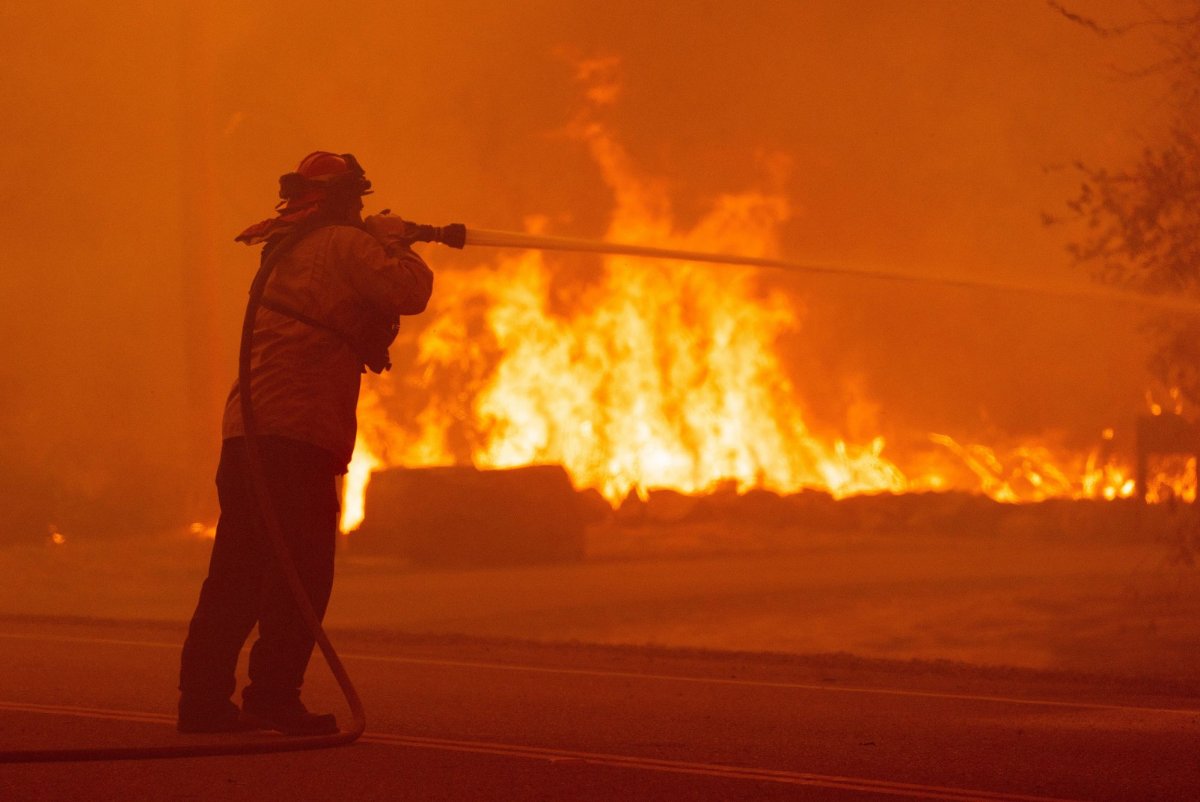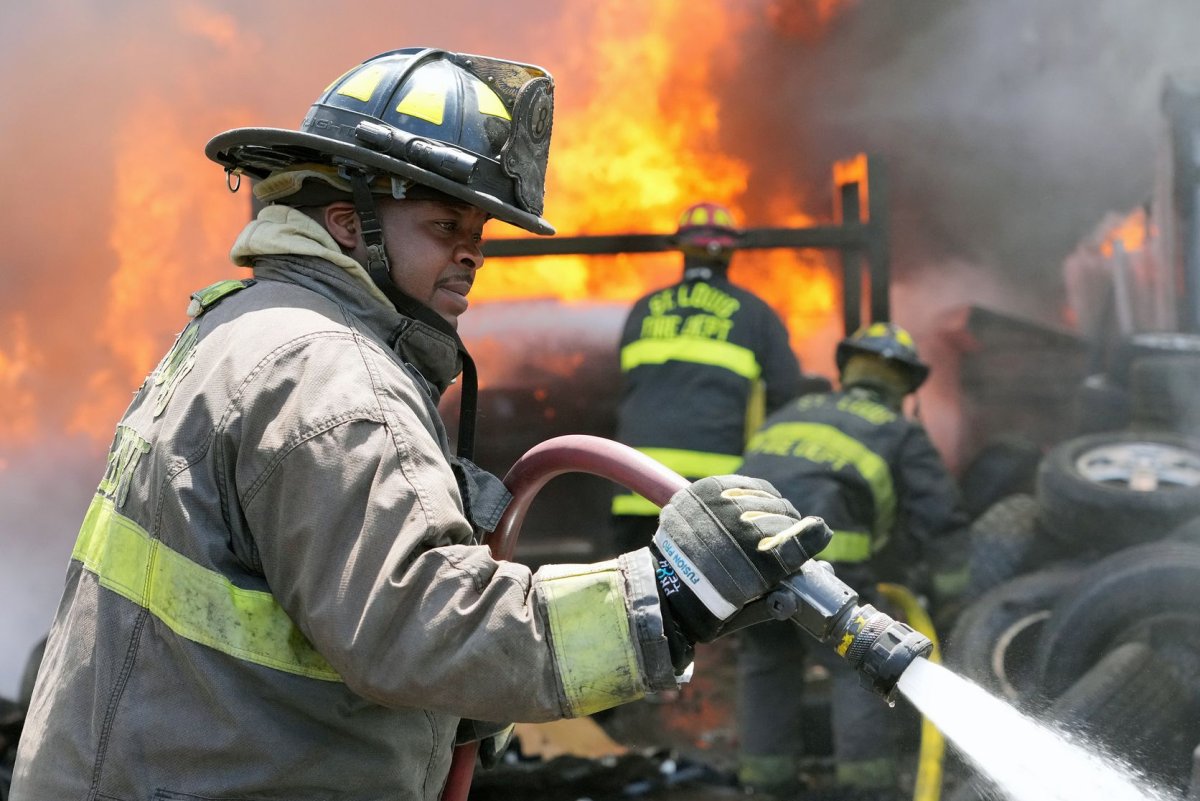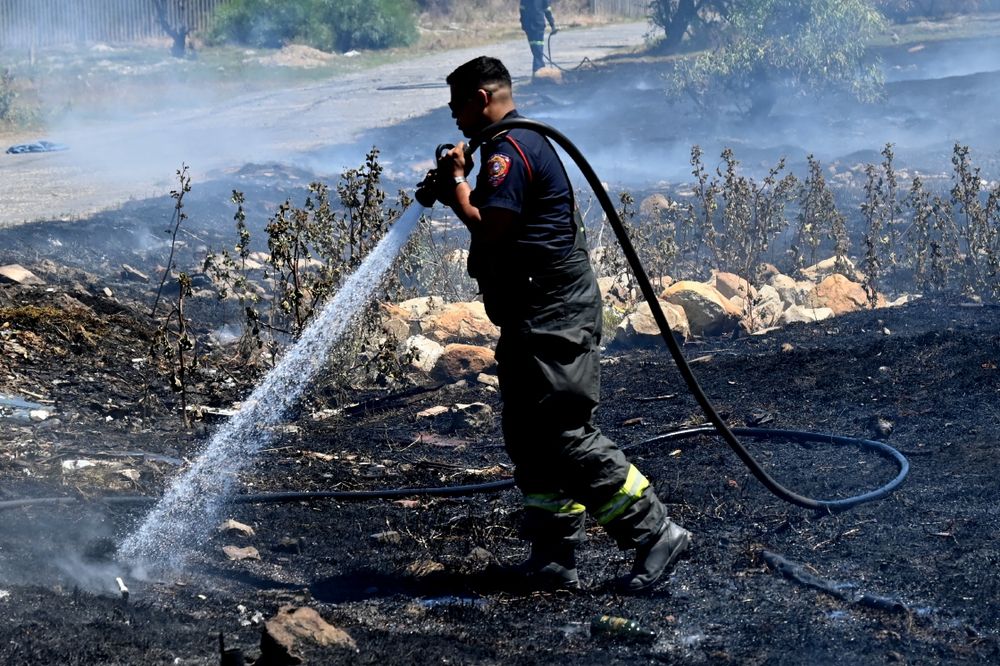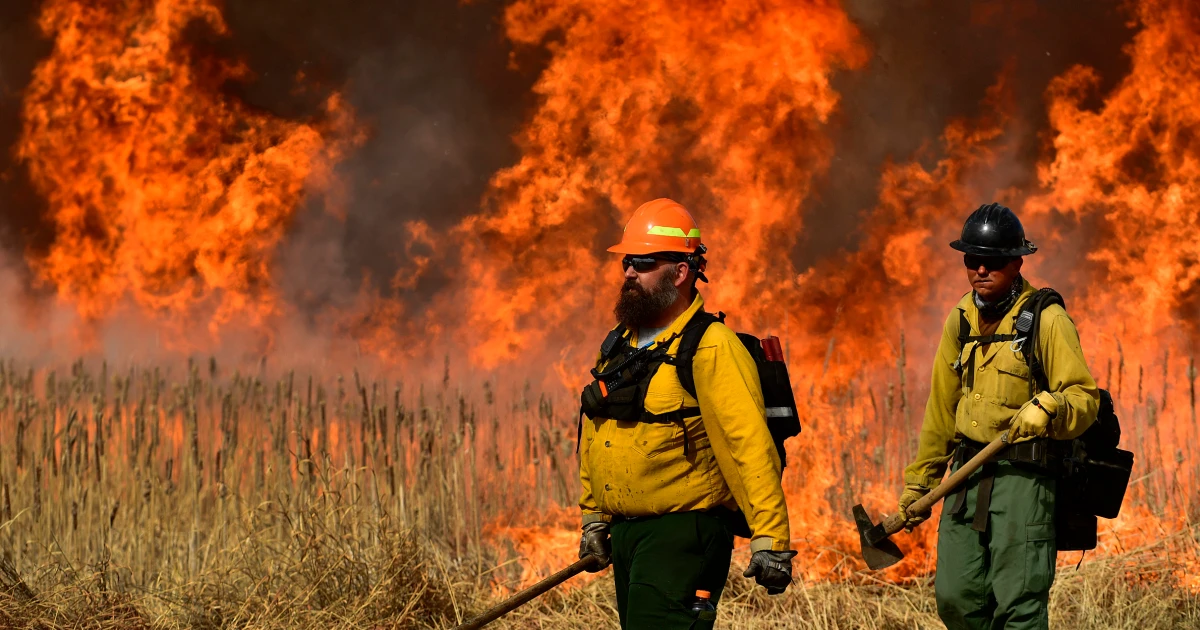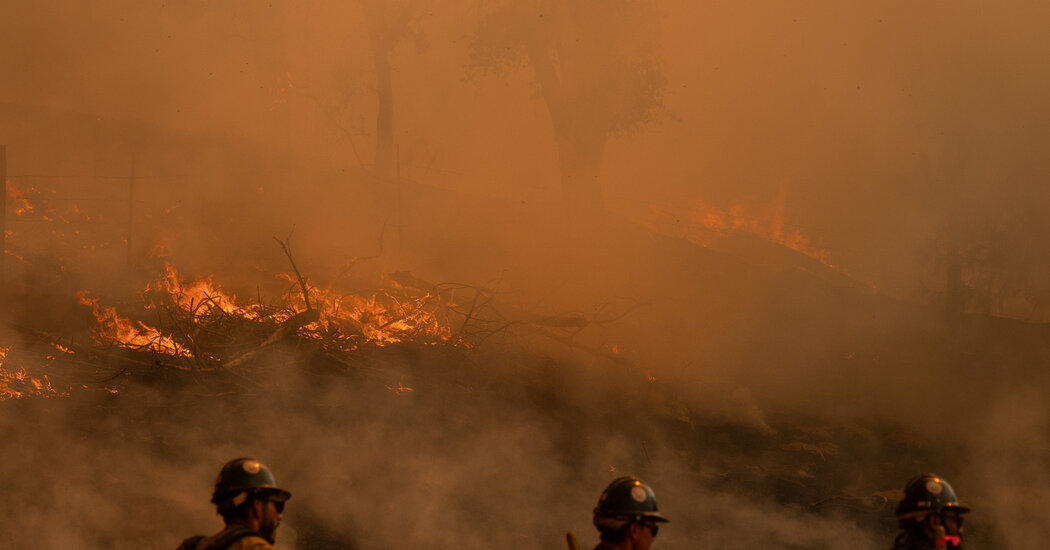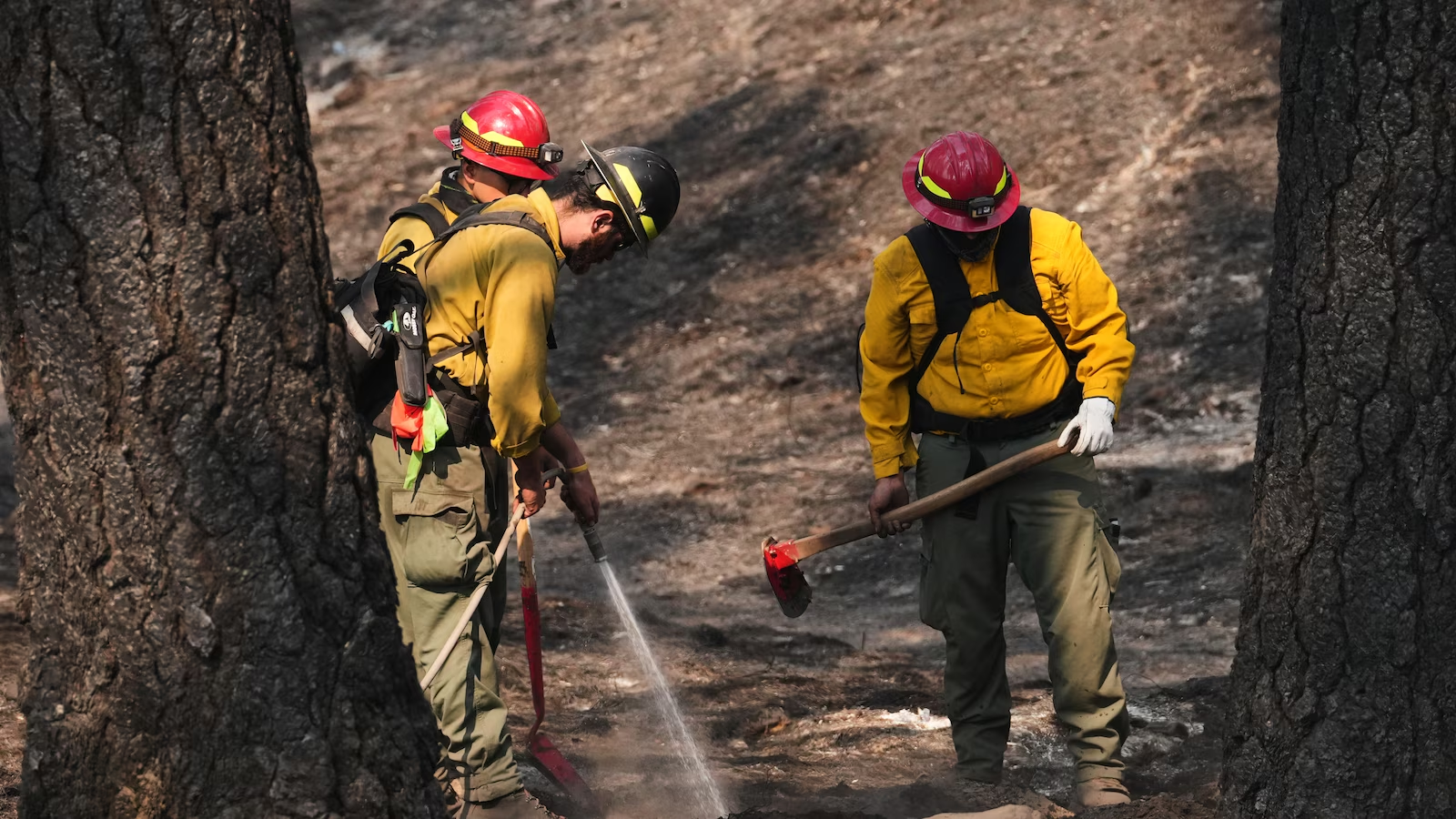
Wildland firefighters are exposed to a mix of harmful chemicals in the smoke they breathe and the ash and soot that gets on their clothing. Over long assignments fighting fires that can last for days to weeks, those chemicals can be absorbed by their skin.
Some of those chemicals are carcinogens. A 2025 study found that firefighters in general had a 58% higher risk of dying from skin cancer than non-firefighters and a 40% higher risk of dying from kidney cancer. Other research specifically on wildland firefighters also found elevated risks of dying from skin cancer.
To help wildland firefighters reduce some of these long-term health risks, researchers—including me and my colleagues at the Textile and Apparel Science Laboratory in the Department of Design and Merchandising at Oklahoma State University—are working on new ways to create better protective clothing, starting with the tiniest of fibers in the fabric.
The challenge is making protective textiles that prevent chemicals from reaching the skin and are also breathable to reduce the risk of the firefighter overheating and suffering from heat stress.
Complex fire risks reaching the skin