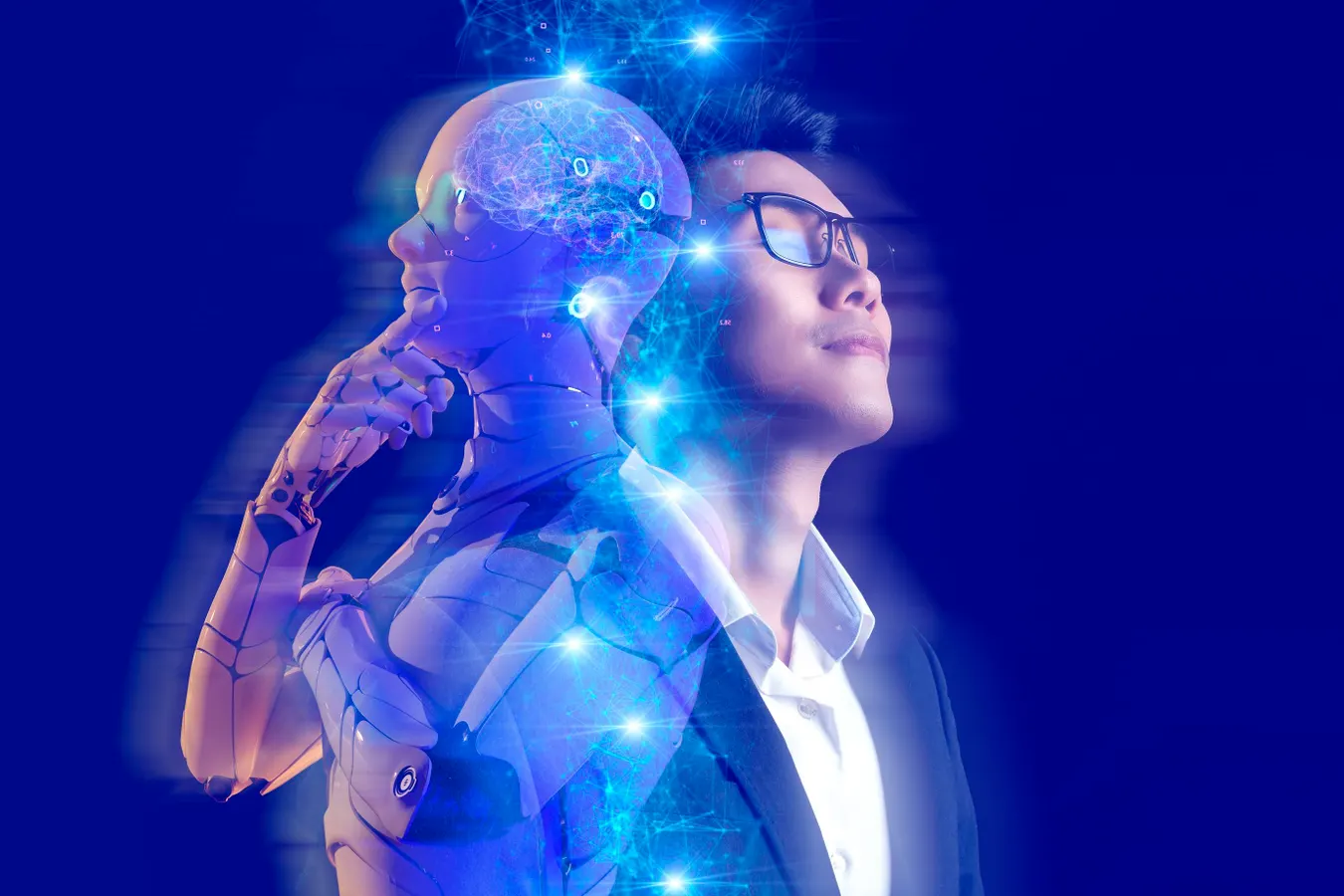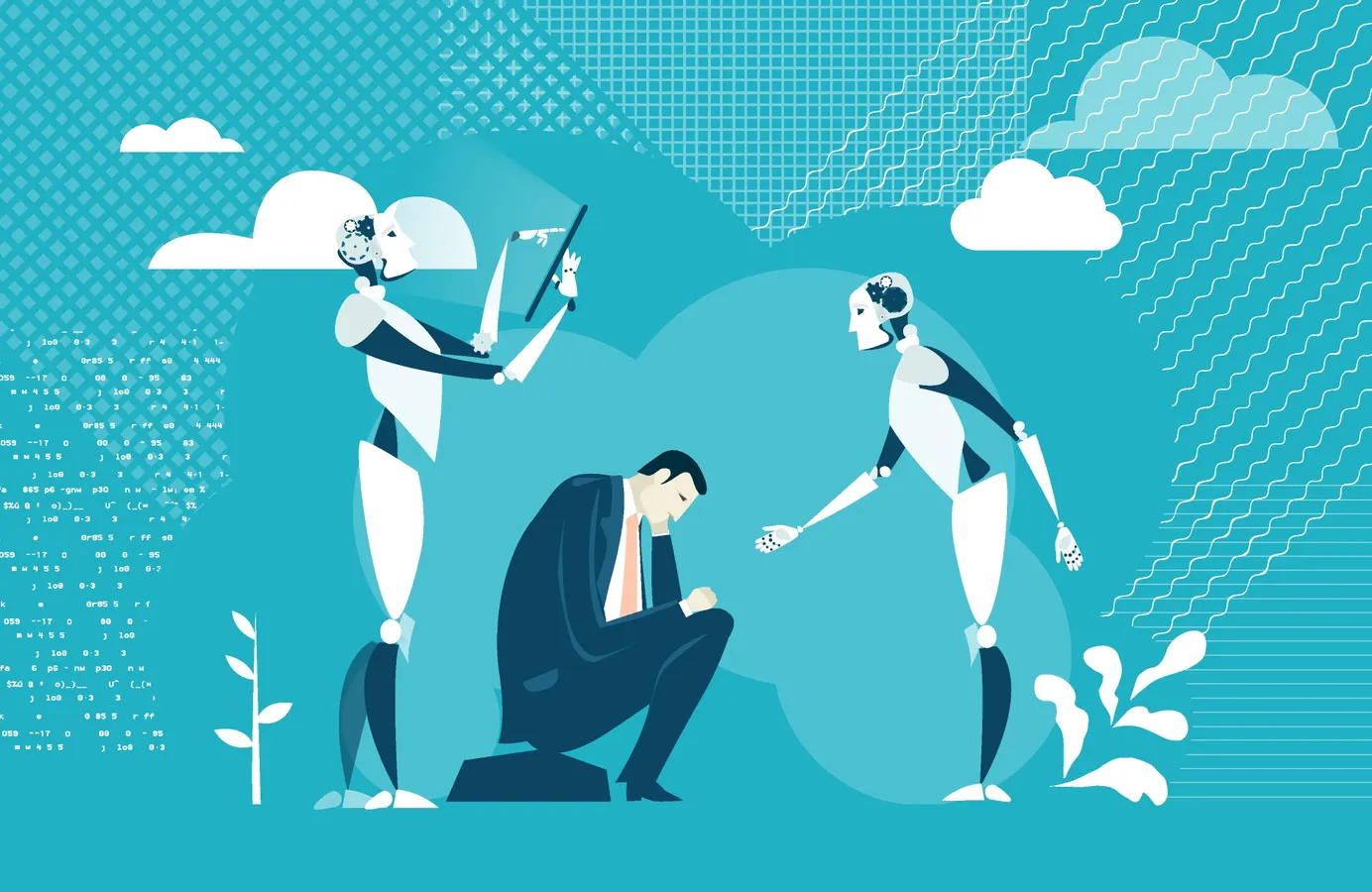
As artificial intelligence transforms workplaces, communication and daily life at an unprecedented pace, mental health experts have warned that rising loneliness, anxiety, burnout and social disconnection could emerge among the biggest public health challenges of the digital era.Psychologists and entrepreneurs express the need for technological advancement to be accompanied by greater investment in emotional wellbeing, human connection and mental resilience.Kunal Sood, founder of AudacityAI said AI has been accelerating at extraordinary speed, but many of the challenges people are facing today are fundamentally human.“People are searching for connection, meaning, belonging and well being. The future will not be defined solely by technological innovation but will be shaped by our ability to cultivate empathy, resilience, trust and purpose,” said Sood.AudacityAI, launched by Sood during the United Nations General Assembly, focuses on advancing wellbeing, conscious leadership and social impact through cross-sector collaboration.Shaped by his experiences starting out at Harvard as a global health scientist in the slums of Mumbai to building Global movements at the United Nations General Assembly in New York, Sood believes artificial intelligence offers immense opportunities, it cannot replace the fundamental human need for social connection, belonging and emotional support.Clinical psychologist Dipika Dahima said excessive dependence on digital technologies and virtual interactions could inadvertently weaken social bonds if individuals fail to maintain meaningful real-world relationships.“While technology can connect people across distances, it can also create emotional isolation if it replaces genuine interpersonal engagement. Mental well-being requires intentional efforts to nurture empathy, self-awareness and healthy social connections,” she said.The future success of organizations will largely depend upon the incorporation of mental health promotion, emotional literacy and psychological safety into workplace culture, along with AI-driven systems.“If we want a future that is not only intelligent but also compassionate, resilient and inclusive, we must invest in human wellbeing with the same urgency that we invest in technological advancement,” Sood said.Published on July 6, 2026
‘AI era intensifying loneliness, burnout must become a leadership priority’
AI's rapid growth intensifies loneliness and burnout, urging leaders to prioritize emotional wellbeing and human connection in the workplace.
312 words~1 min read