in Architecture, Film, History | July 6th, 2026 Leave a Comment
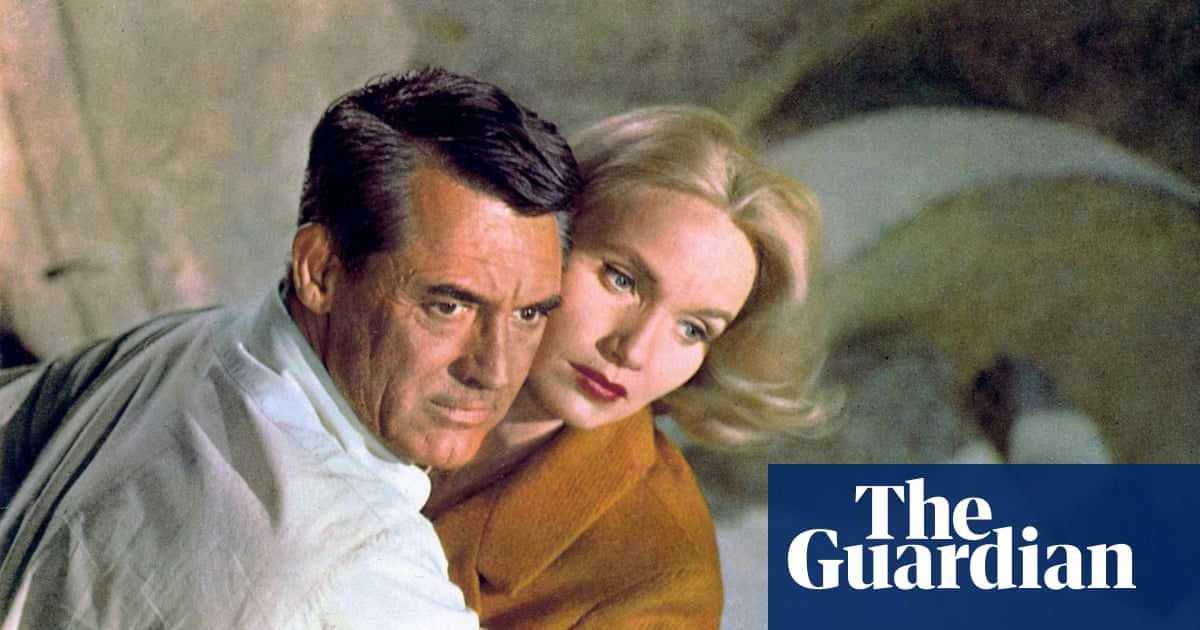
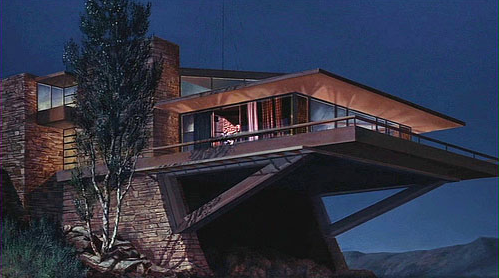
Villains who live in opulent, remote modernist houses may have been a cliché since the last century, but given Hollywood’s addiction to the tried and true, they do still turn up now and again. Unsurprisingly, few filmmakers have managed to use them anywhere near as memorably as Alfred Hitchcock did. Think back to North by Northwest, that showcase of both late-fifties high style and unadulterated Hitchcockery, and any number of images come right to mind: the deadly crop duster bearing down on Cary Grant, the hang off the edge of Mount Rushmore, the cheeky cut to the train entering the tunnel. But on the architecturally inclined, the deepest impression is made by not a shot but a set: the house — modernist, opulent, remote — occupied by James Mason’s villain Phillip Vandamm.
“The pioneering decision to feature a modern house as the villain’s lair in North by Northwest arose from both the practical needs of the script and the desire to explore innovation in architectural representation,” writes Christine Madrid French, author of The Architecture of Suspense: The Built World in the Films of Alfred Hitchcock.