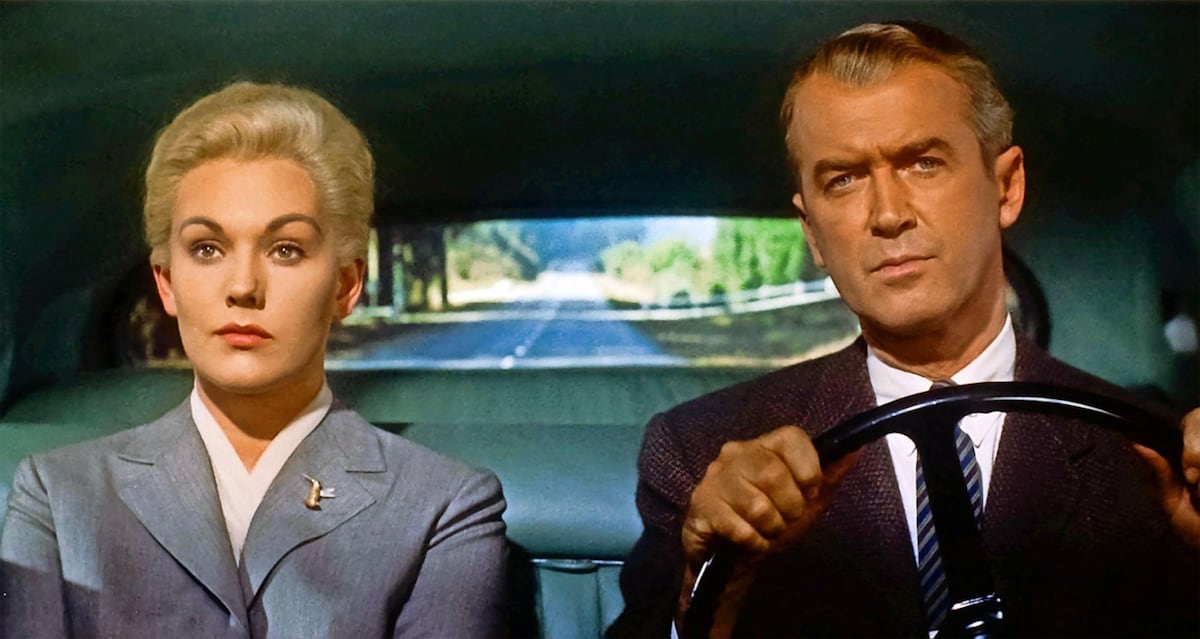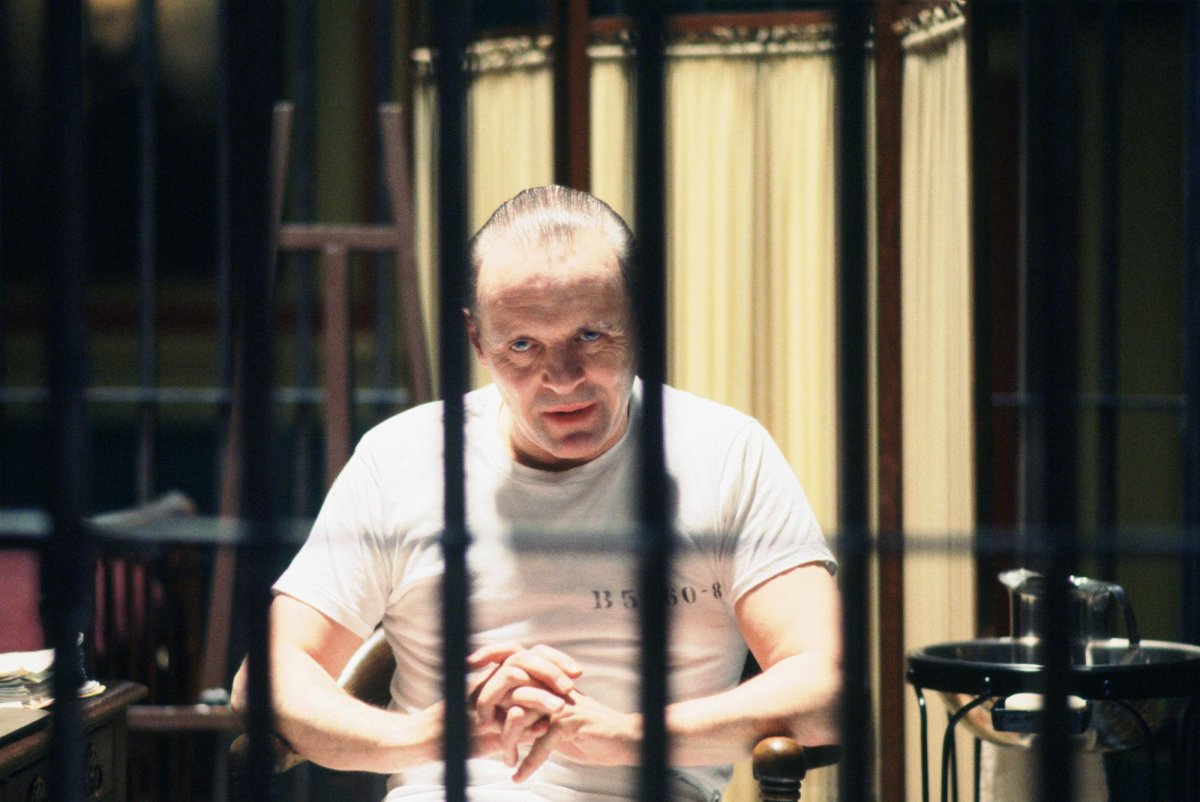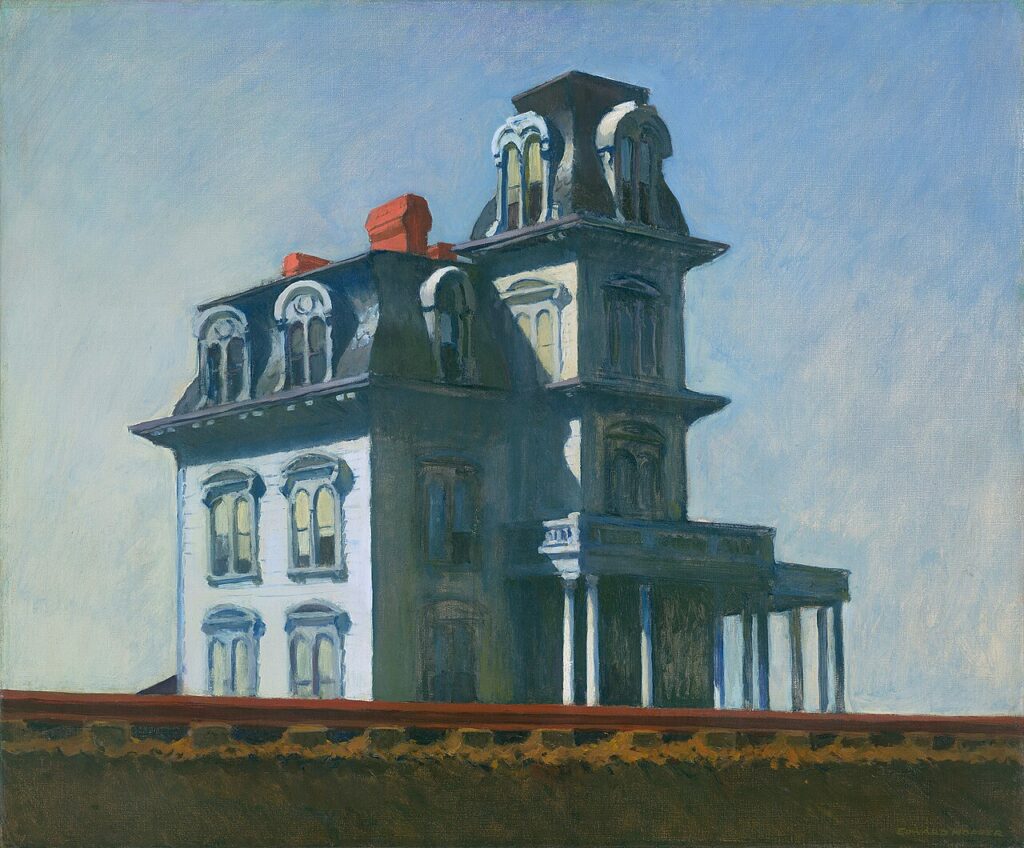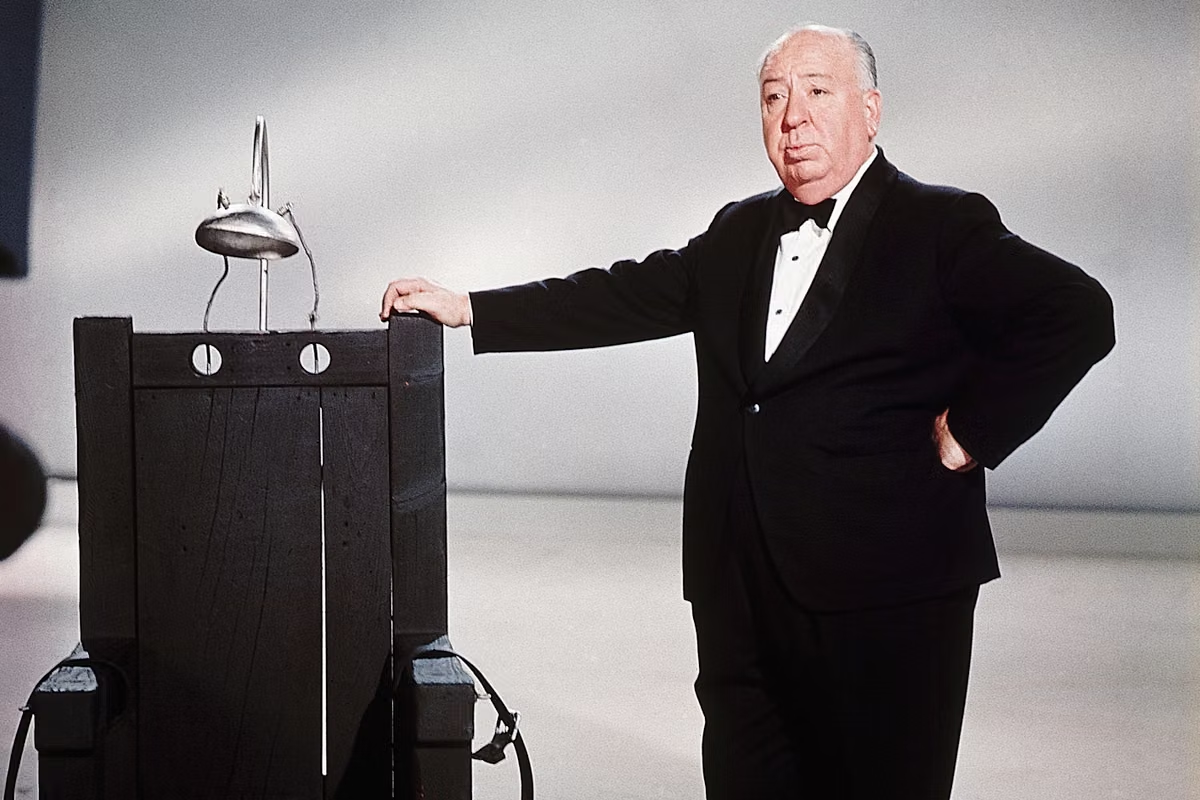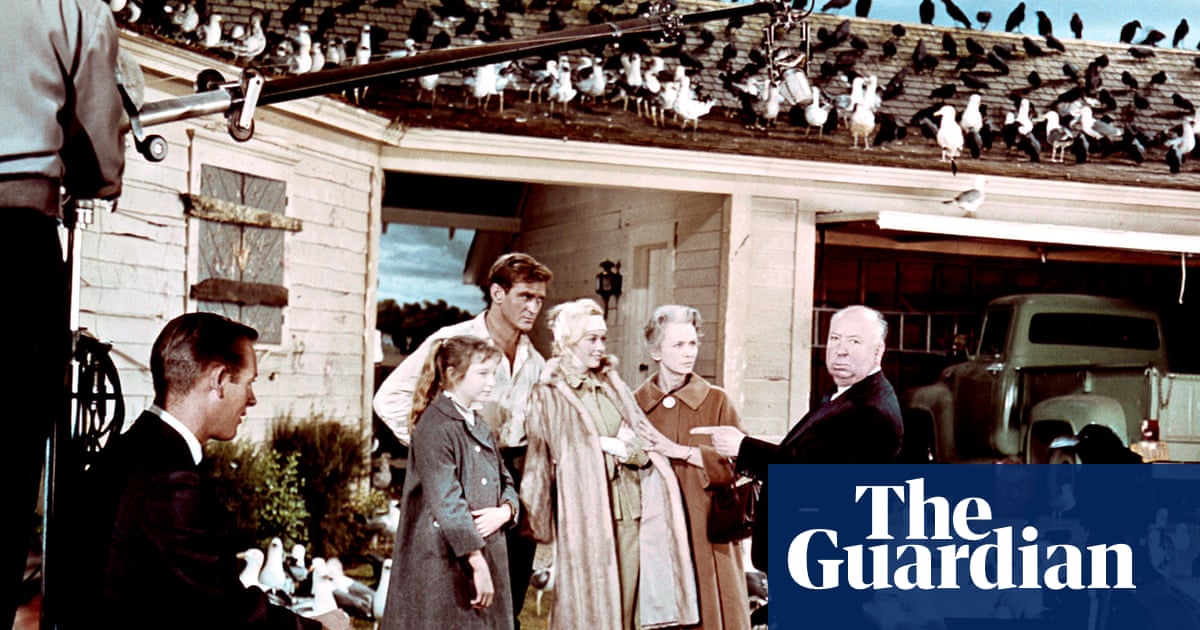
The director liked to create tension on-set to draw out stronger performances. But have stories about his psychological tricks been inflated in the retelling?
I
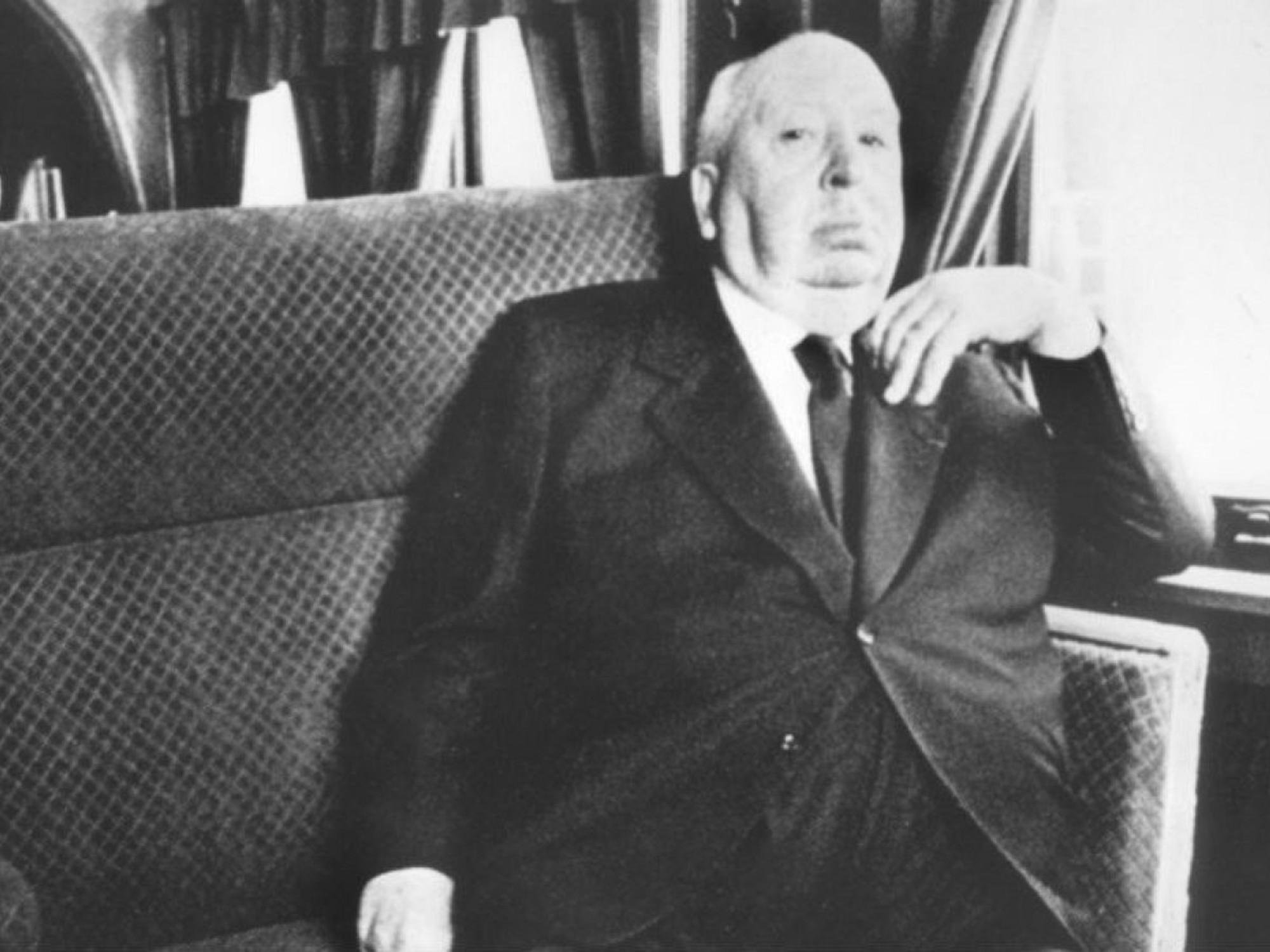
n 1978, shortly after publishing The Art of Alfred Hitchcock, biographer Donald Spoto met the director one last time. At one point, Hitchcock appeared to fall asleep mid-conversation, signalling the end of his involvement with the author. On another occasion, Spoto recalled being bitten by Hitchcock’s West Highland terrier, Sarah, leaving a bruise on his hand. When Hitchcock admonished the dog, Spoto noted it was the first time in four years the director had addressed him by name.
These accounts have surfaced in an unearthed transcript of a previously forgotten interview between Spoto and the actor Tippi Hedren in 1980, six months after Hitchcock’s death. But they also suggest something else: an uneasy relationship from the outset, shaped by misreading, distrust and a degree of personal grievance.
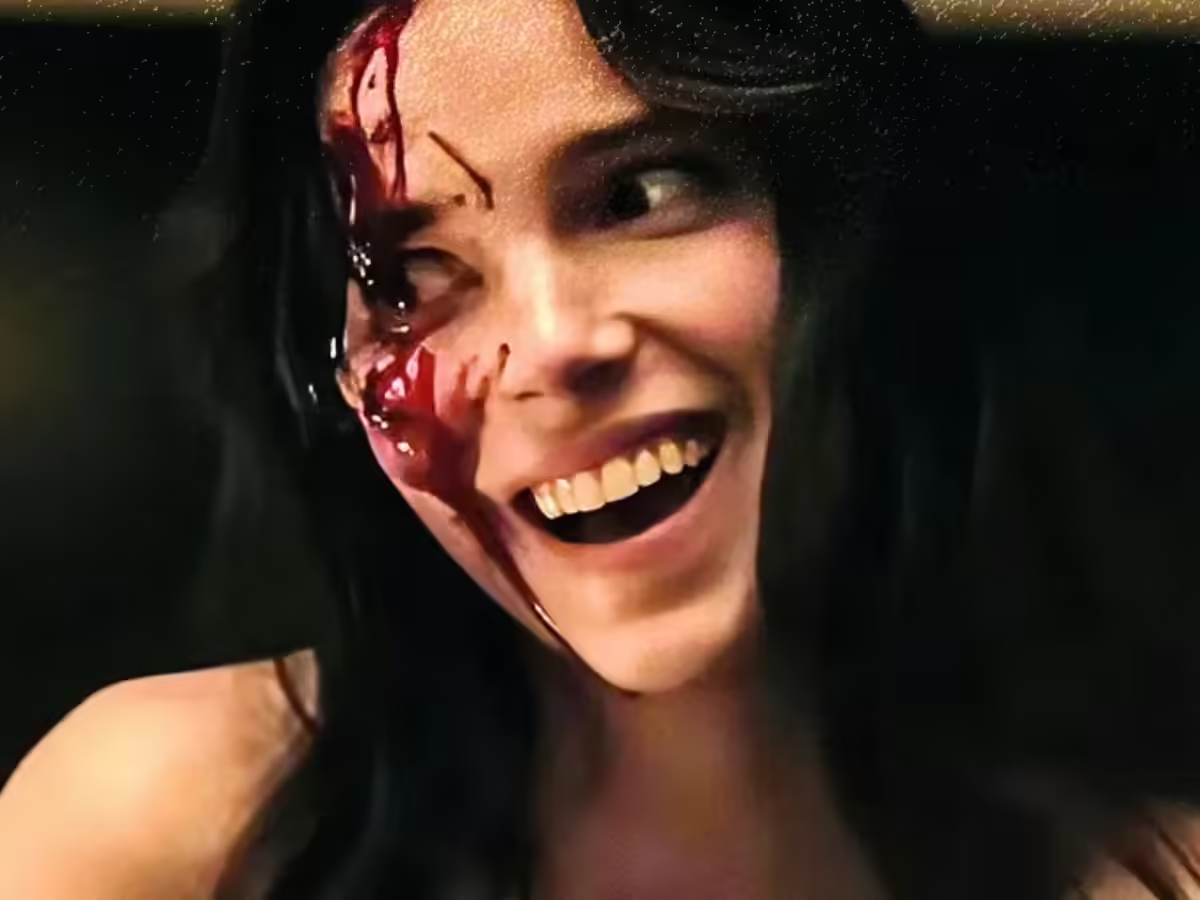
Spoto never enjoyed the easy camaraderie Hitchcock extended to his authorised biographer, the English critic John Russell Taylor, who wrote Hitch: The Life and Times of Alfred Hitchcock, published in 1978. In the course of researching Hitchcock’s darker reputation, Spoto leaned towards interpretations that extended or sharpened the available evidence. In some cases, this meant details becoming amplified over time. Tippi Hedren’s recovery after filming the attic attack sequence in The Birds, for instance, was described as lasting 10 days, though internal memos prove that it was only three days.