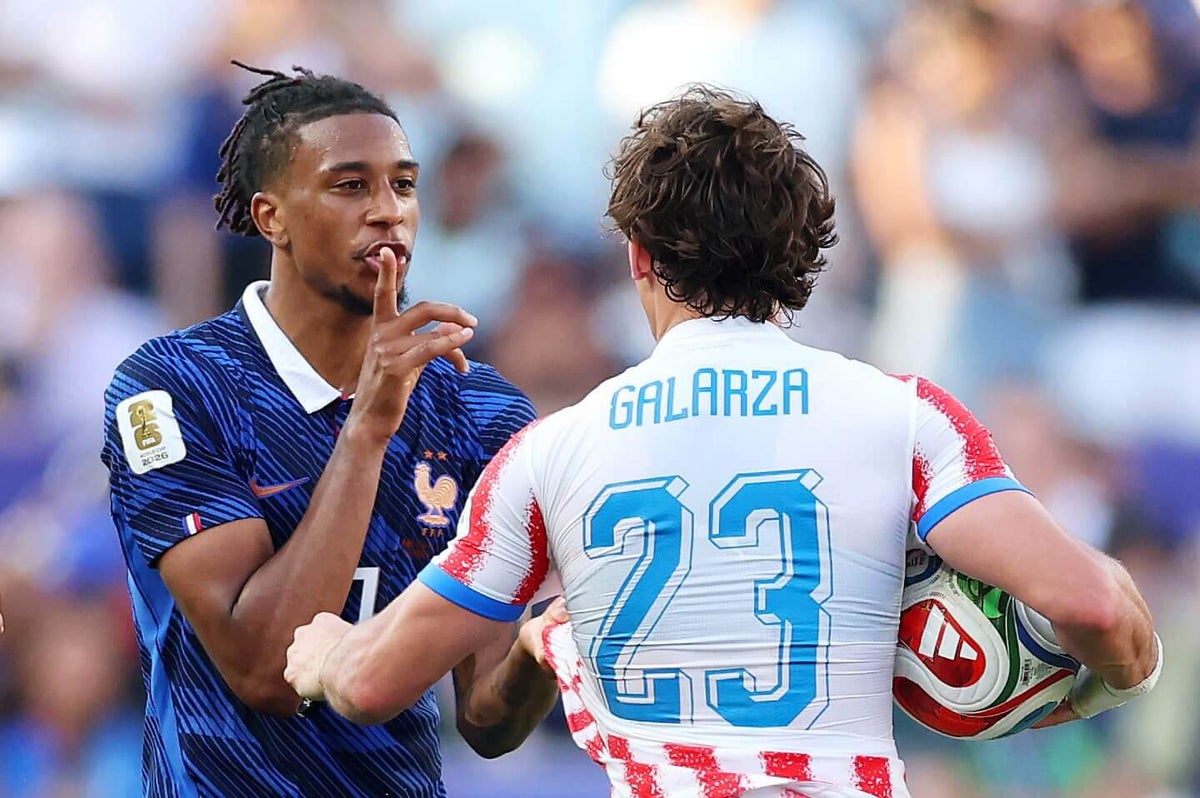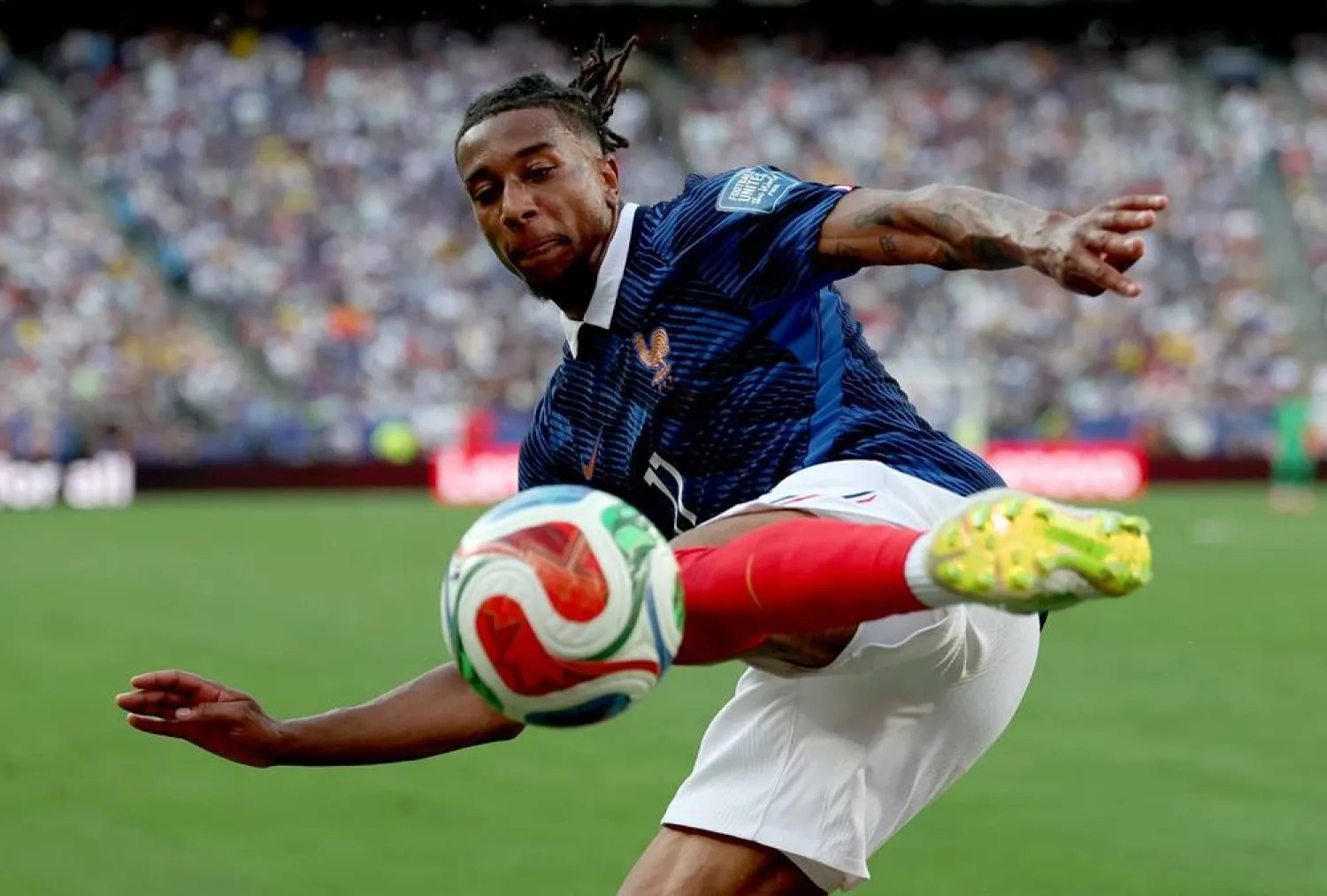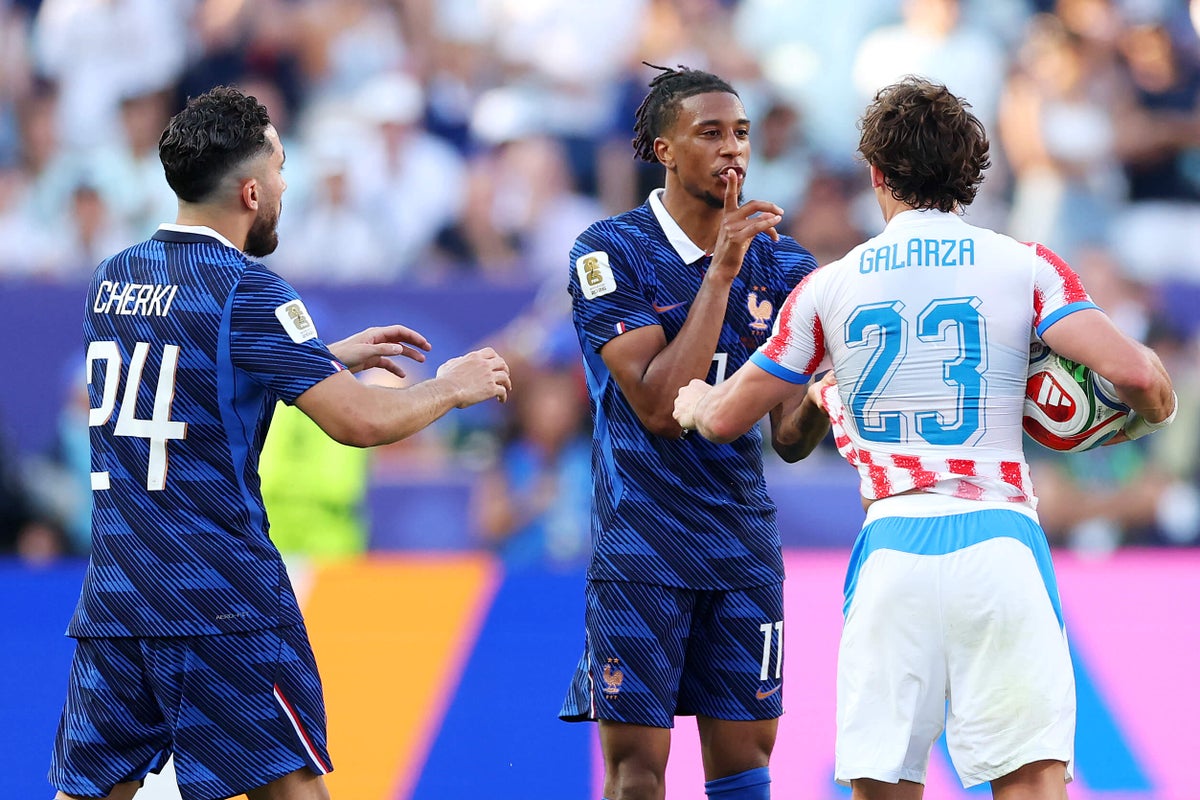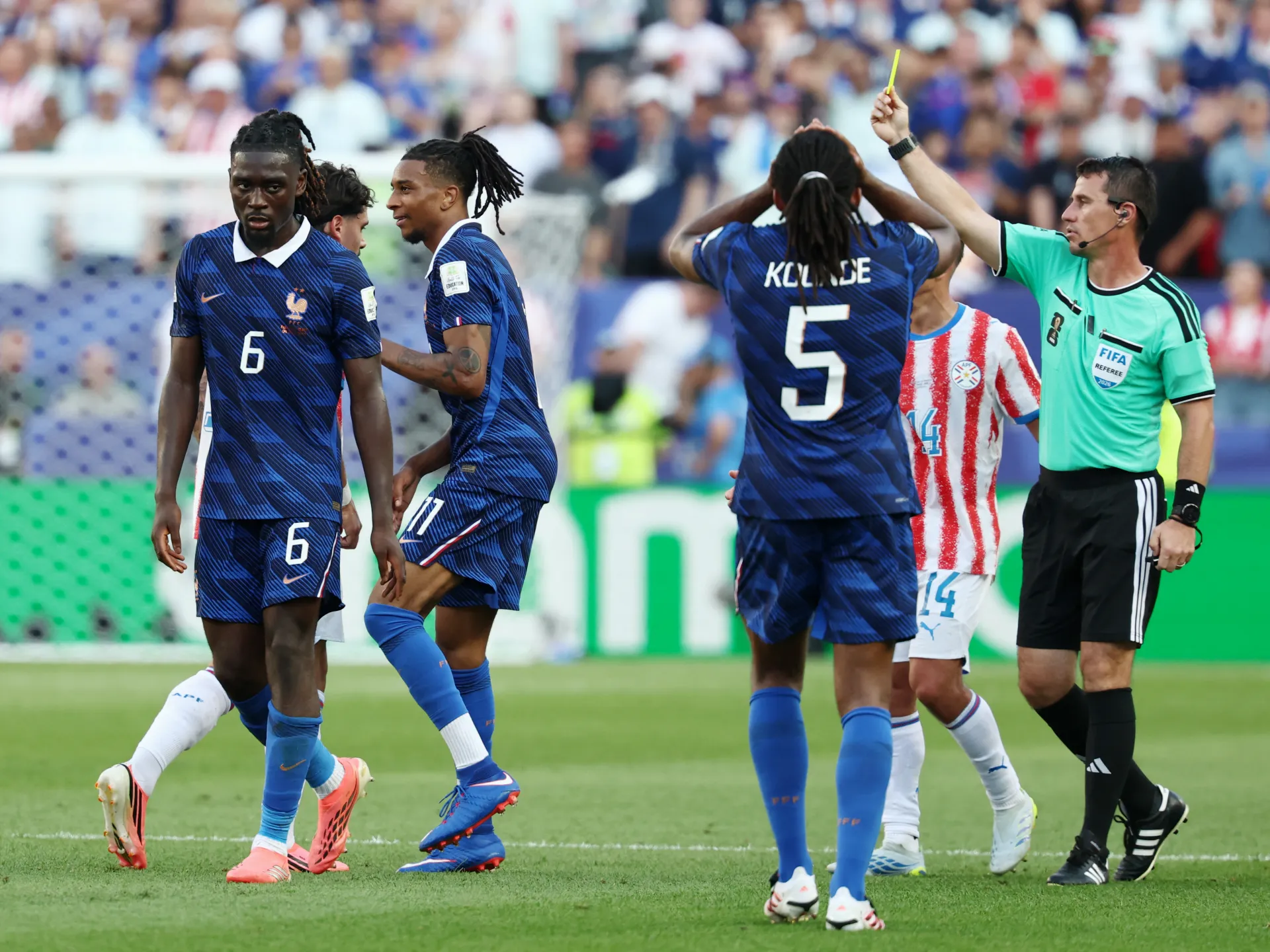
A yellow card handed out in extra time has become one of the most consequential pieces of cardboard at the 2026 World Cup. The French Football Federation formally asked FIFA on July 6 to wipe a booking from Michael Olise’s disciplinary record, setting up a regulatory standoff that could reshape France’s path to the final.
The card came in the 97th minute of France’s round-of-16 win over Paraguay on July 4, with the referee citing an alleged foul on Paraguay’s Matías Galarza. French officials dispute that any contact was made at all.
Why a single yellow card matters this much
If Olise picks up another caution against Morocco in the quarterfinal, he sits out the semifinal. For a defending champion trying to go back-to-back, losing one of their most influential attacking players at that stage is the kind of problem no tactical adjustment fully solves.
The FFF’s position is straightforward: the card should not exist because the foul that prompted it did not happen. FIFA’s disciplinary process does allow for the review and rescission of yellow cards when clear evidence suggests the original decision was made in error.