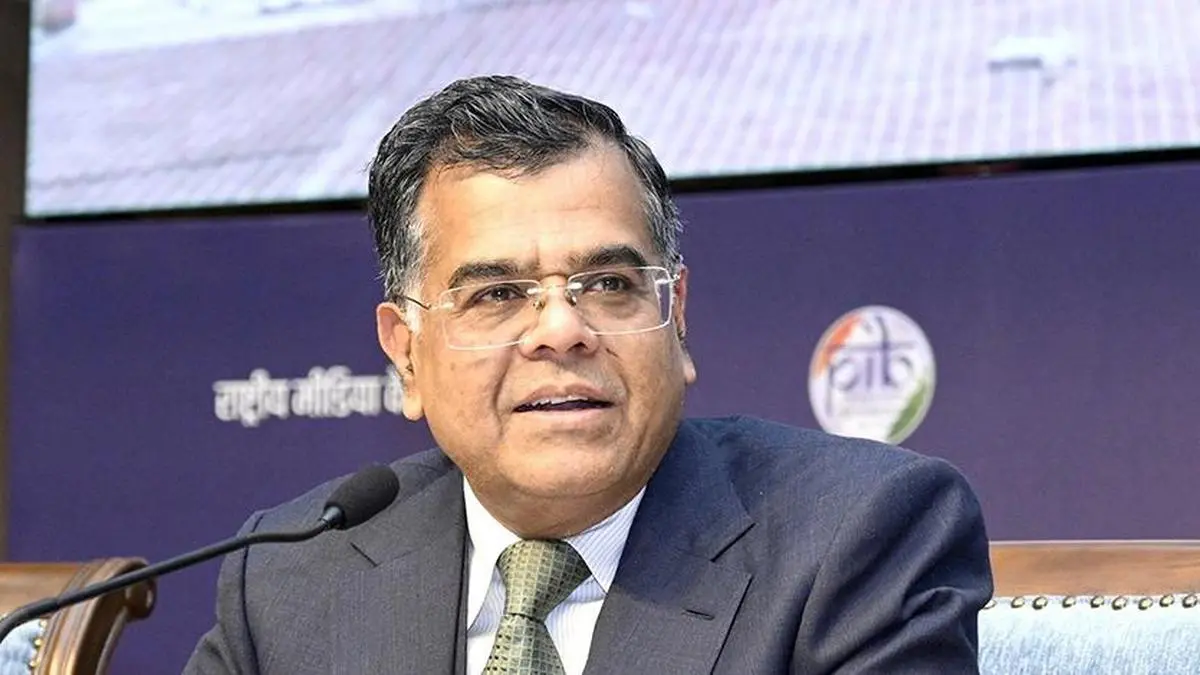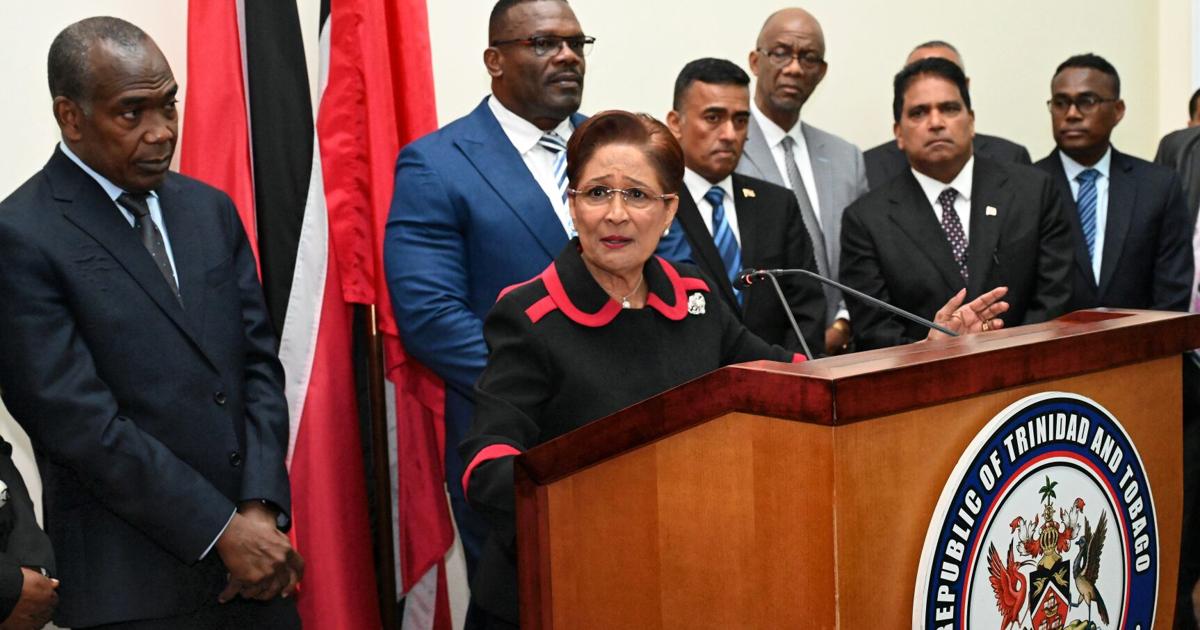
The government is under no legal obligation to hold post-Cabinet media briefings, political scientist Dr Bishnu Ragoonath said, noting that while such sessions may enhance transparency, there is no constitutional or statutory requirement for ministers to face the media after Cabinet meetings.Political scientist Dr Indira Rampersad agreed that there is no obligation, but said the Government has continued to communicate through other channels rather than relying on formal post-Cabinet briefings.The comments come amid the Government’s continued absence of post-Cabinet media briefings. The last briefing was held on May 7, making it more than eight weeks since reporters were able to question ministers in that forum.At that briefing, Minister of Foreign and Caricom Affairs Sean Sobers responded to questions on a range of issues, including the triple murder at Rifle Hill, Belmont, regional crime cooperation following the Shield of the Americas meeting, Trinidad and Tobago’s bid for a non-permanent seat on the United Nations Security Council, the United Kingdom’s visa requirement for Trinidad and Tobago nationals, and relations with Venezuela. The briefing was chaired by Minister in the Office of the Prime Minister Wilfred Nicholas Morris.Speaking by telephone, Ragoonath said Cabinet deliberations are traditionally confidential.“Cabinet issues are normally confidential. That’s why Cabinet minutes are confidential and Cabinet notes are confidential,” he said, adding, “There is no mandatory requirement for the Cabinet to report to the population after every meeting.”Ragoonath said post-Cabinet briefings became more common in recent years as governments sought to demonstrate greater openness and accountability.“It was simply because many people saw it as an attempt to become more transparent and have more open government. But legally, there’s nothing that is a requirement,” he said.While stressing that no law compels the Government to hold such briefings, Ragoonath said transparency remains a cornerstone of good governance.“I have always been one for accountability and transparency. Ethics is dependent upon integrity and accountability and transparency.”He argued, however, that the Government’s broader communication strategy has been inadequate and often lacks sufficient context for major policy decisions.“I am of the opinion that the Government has a poor communication strategy,” Ragoonath said.Using the recent suspension of the Military-Led Academic Training (MILAT) Programme as an example, he said ministers should have fully explained the reasons behind the decision rather than simply announcing it.He said he later learnt from secondary sources that the programme allegedly cost about $135,000 per trainee, although he could not independently verify the figure.“If those were the facts which caused the review of the programme, come out and say it. Without giving context and without giving adequate background, one wonders whether or not there is a hidden agenda.”Rampersad, however, said the absence of post-Cabinet briefings should not be viewed as a failure to communicate.“I think they are communicating. We are seeing them in the media,” she said, noting that Prime Minister Kamla Persad-Bissessar and her ministers have continued to make public announcements and respond to journalists on major issues.She pointed to government communication on the mid-year budget review, crime-fighting initiatives, regional affairs and Trinidad and Tobago’s successful election to a non-permanent seat on the United Nations Security Council.“I think it is a question of when they have something to share, they share it in whatever way. Not necessarily you need a post-Cabinet briefing,” Rampersad said.She also suggested there may be practical reasons for the hiatus, noting that Cabinet meetings often run late because of lengthy agendas.Rampersad said she did not believe the public had been left uninformed, adding that ministers remained accessible to the media.She also cautioned against expecting ministers to comment publicly on matters involving ongoing police investigations or national security concerns.
No legal requirement
The government is under no legal obligation to hold post-Cabinet media briefings, political scientist Dr Bishnu Ragoonath said, noting that while such sessions may enhance transparency, there is no constitutional
599 words~3 min read