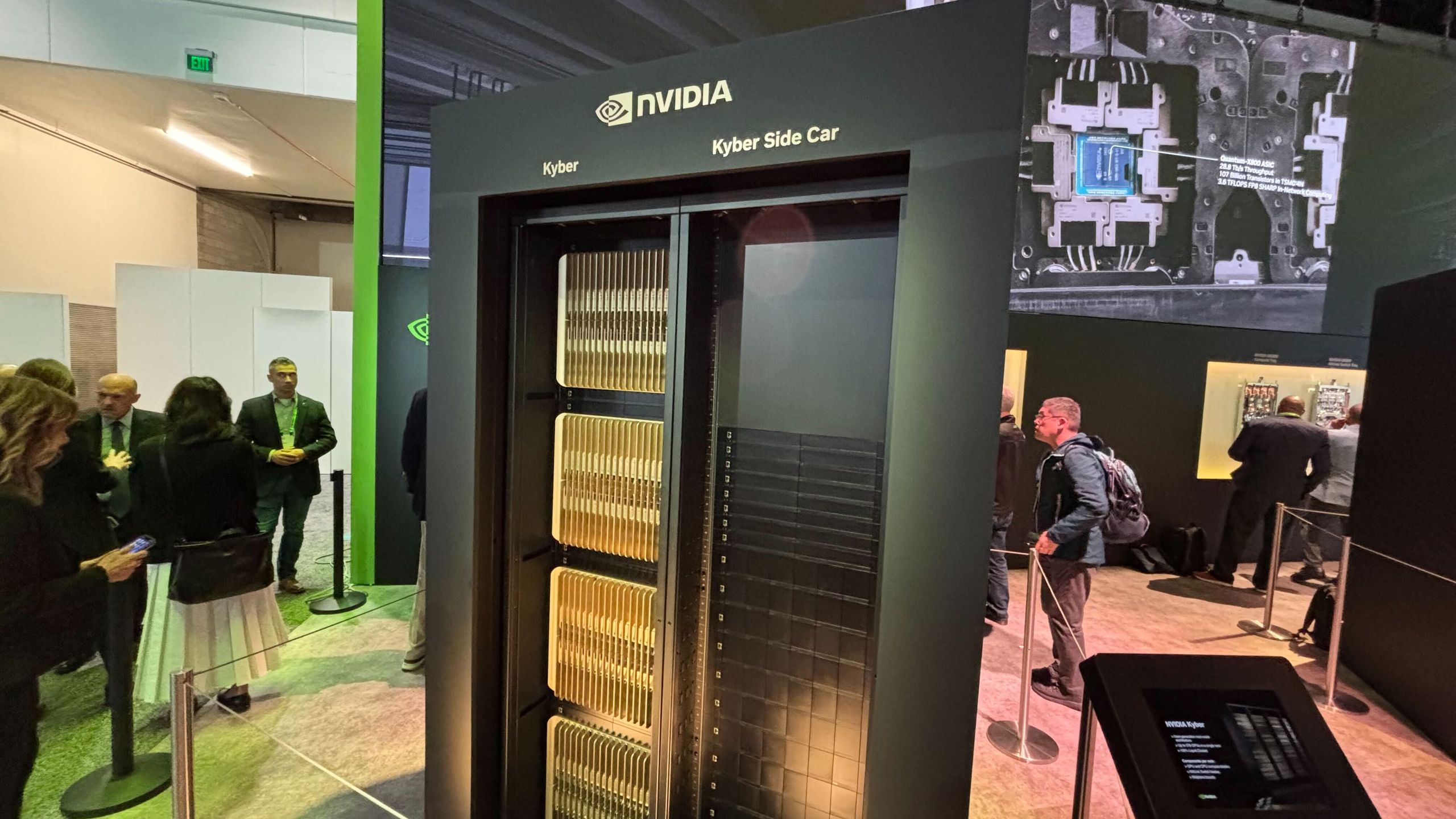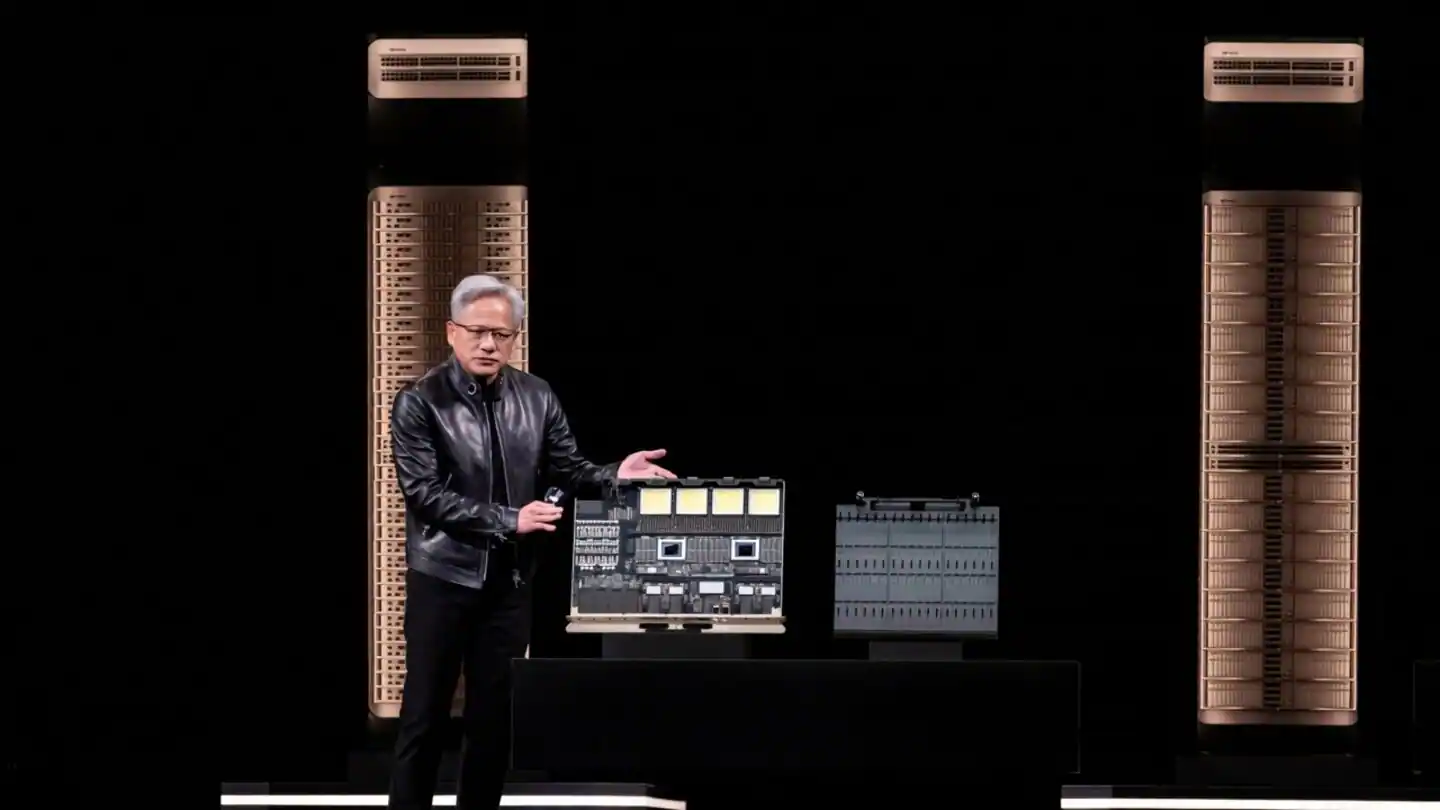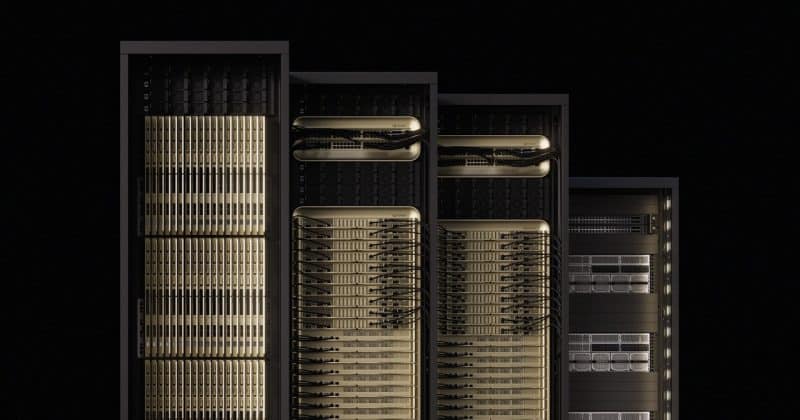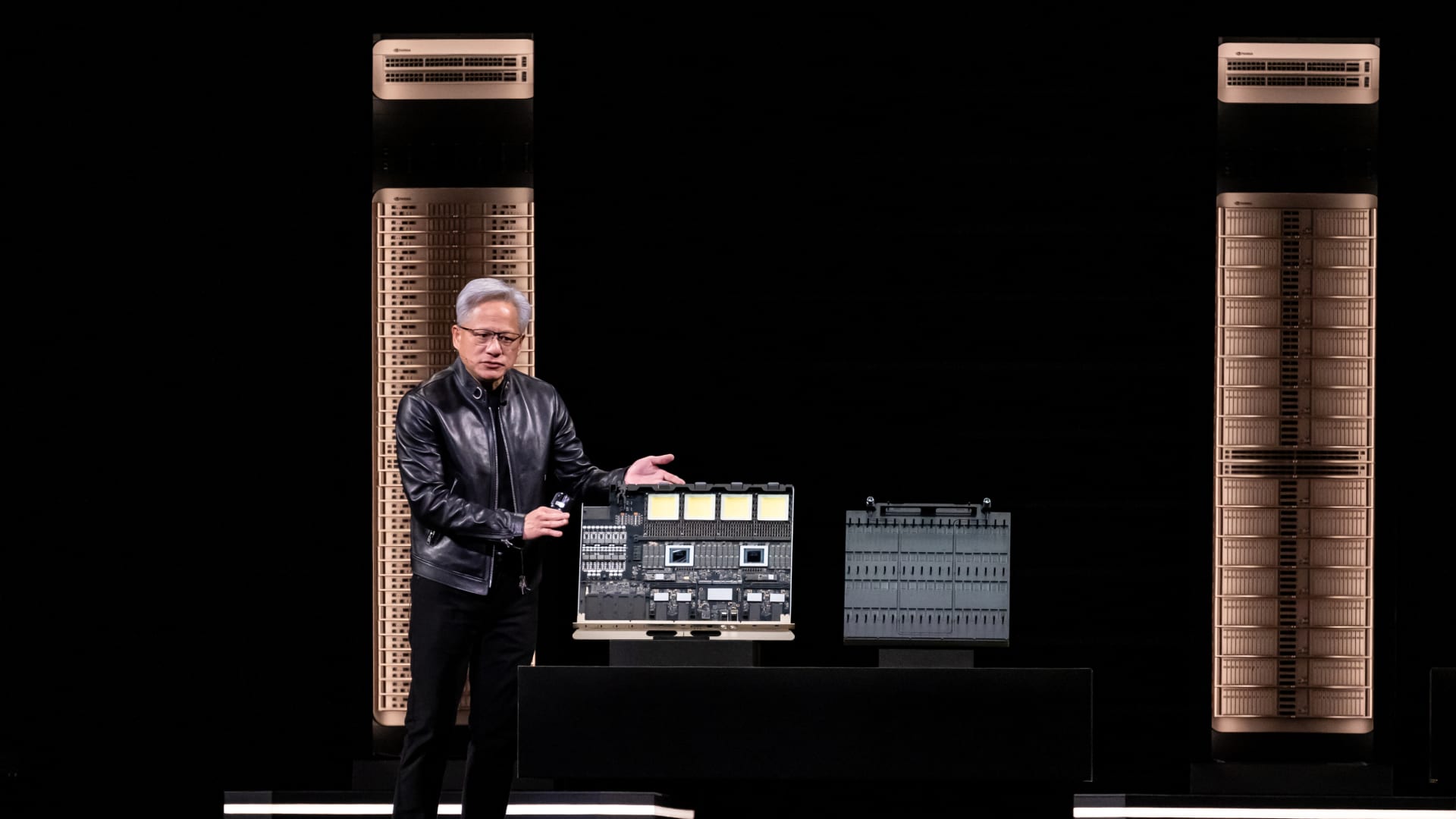
Nvidia has delayed production of its Kyber rack-scale architecture by more than 12 months, pushing its release date to 2028, SemiAnalysis has reported.The Kyber server cabinets, which have been designed to house 144 Rubin Ultra GPUs connected via the company’s NVLink 7 Switch, had originally been slated for release in 2027.Kyber allows GPUs to be mounted in compute trays that sit vertically rather than horizontally, a design that Nvidia has described as being “like books on a shelf,” and which reportedly boosts density and reduces latency.However, the research firm claimed that issues in manufacturing the printed circuit board (PCB) midplane that connects the modules together have caused the setback.“Kyber NVL144 rack architecture has been delayed to 2028 as the PCB midplane remains challenging from a manufacturability standpoint,” SemiAnalysis said, adding that Nvidia’s alternative plan, which involved placing two Oberon racks back-to-back in order to achieve a similar power output, has also been scrapped after cloud companies and hyperscalers pushed back against its “odd design and heavy operational burden.”The manufacturing issues will also impact the planned NVL576 system, which connects 8x Oberon racks over CPO between the NVSwitches, meaning that the system will also likely be delayed or limited to small volumes, the firm noted. All this leaves Nvidia with “no proven solution to expand the scale-up world size for Rubin Ultra,” SemiAnalysis said.First announced at Nvidia’s GTC conference in 2025, Nvidia has previously said the liquid-cooled Kyber racks will offer a 4x performance improvement over its Blackwell NVL72 system – also known as Oberon – and consume some 600kW.The news comes a week after SemiAnalysis separately reported that Nvidia had canceled the four-die Rubin Ultra design in favor of the two-chiplet design, also due to “manufacturing execution concerns.”DCD has reached out to Nvidia for comment, although the company has not responded to requests from other outlets that have reported SemiAnalysis’ claims. The two-die offering will deliver around half the performance of the four-die Rubin Ultra.
Nvidia pushes Kyber release to 2028 following manufacturing concerns – report
Research firm SemiAnalysis claims 12 months delay is due to issues manufacturing the PCB midplane
325 words~1 min read