Health span, the period of life spent in good health, used to appear mostly in medical discussions. Now, it is entering everyday conversation. People do not just want to live longer. They want to stay physically well for more of that longer life.
One important shift is that control over health management is moving from hospitals into the hands of individuals.Health span, the period of life spent in good health, used to appear mostly in medical discussions. Now, it is entering everyday conversation. People do not just want to live longer. They want to stay physically well for more of that longer life.
That shift is changing how many people think about health management. Care is no longer centered only on hospitals, annual checkups, or treatment after symptoms appear. As populations age and interest in healthy living grows, preventive care is moving from an abstract slogan into a daily habit.
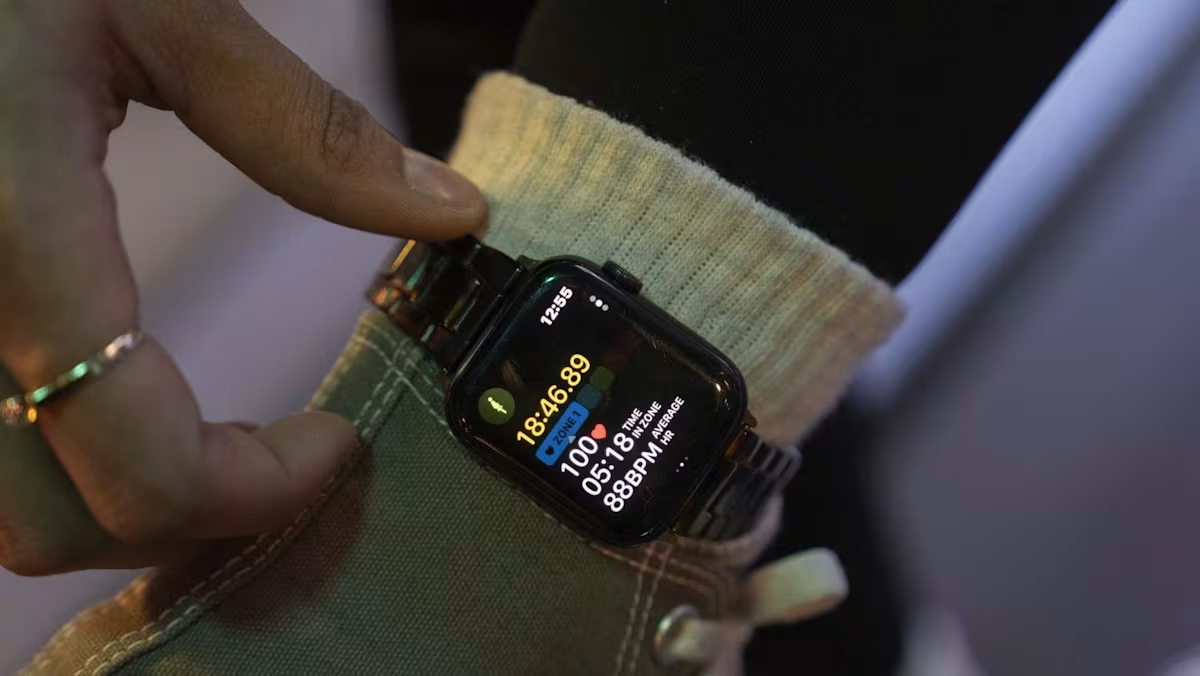
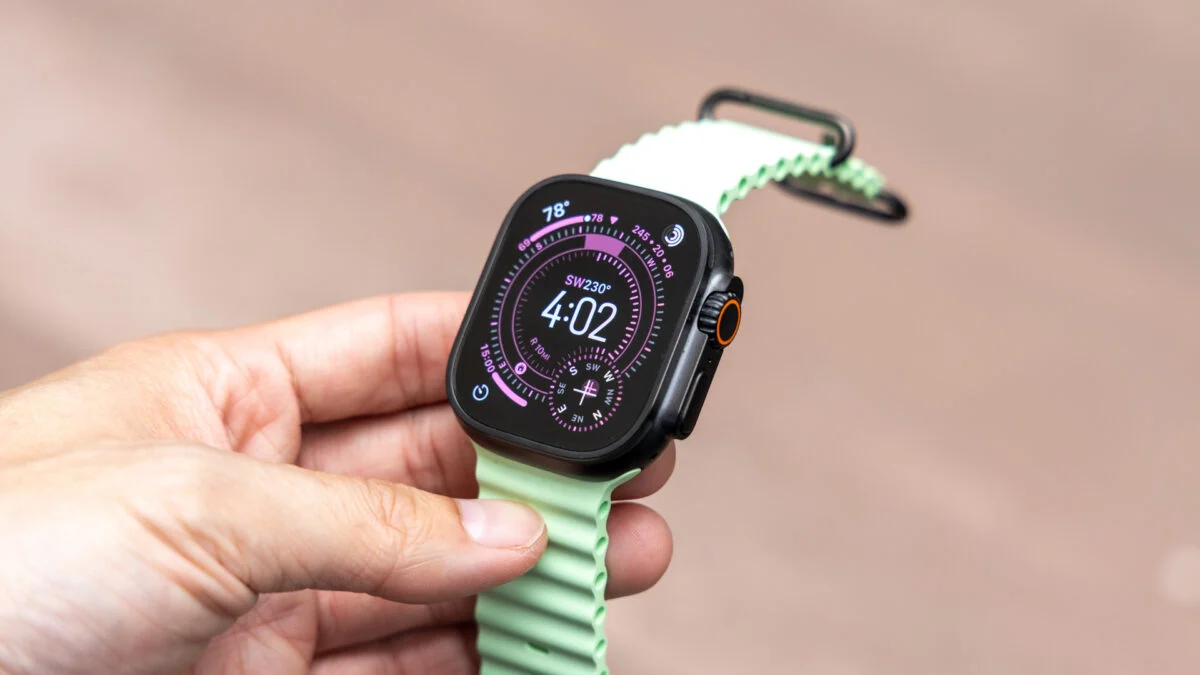
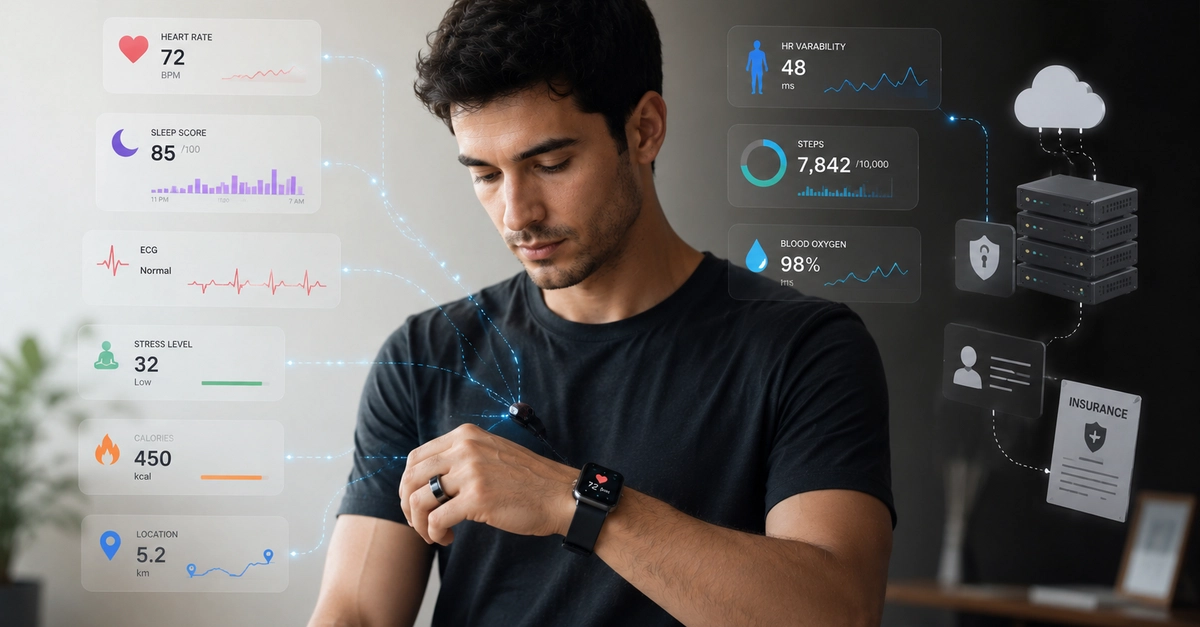
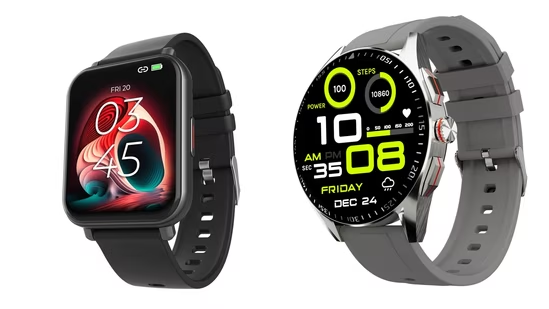
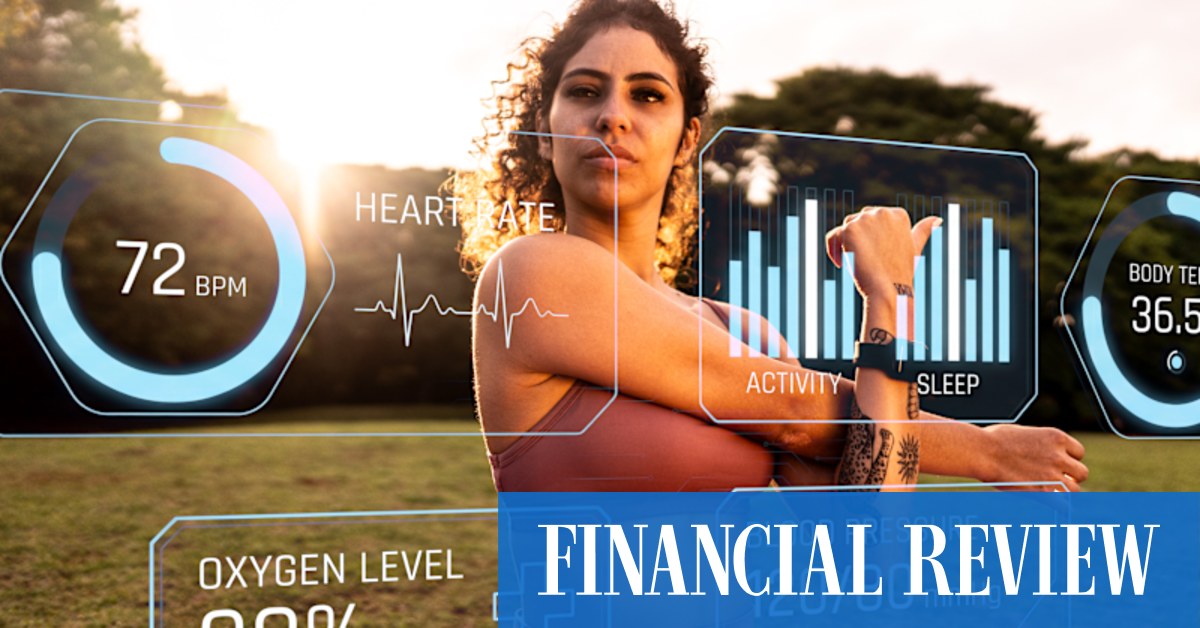
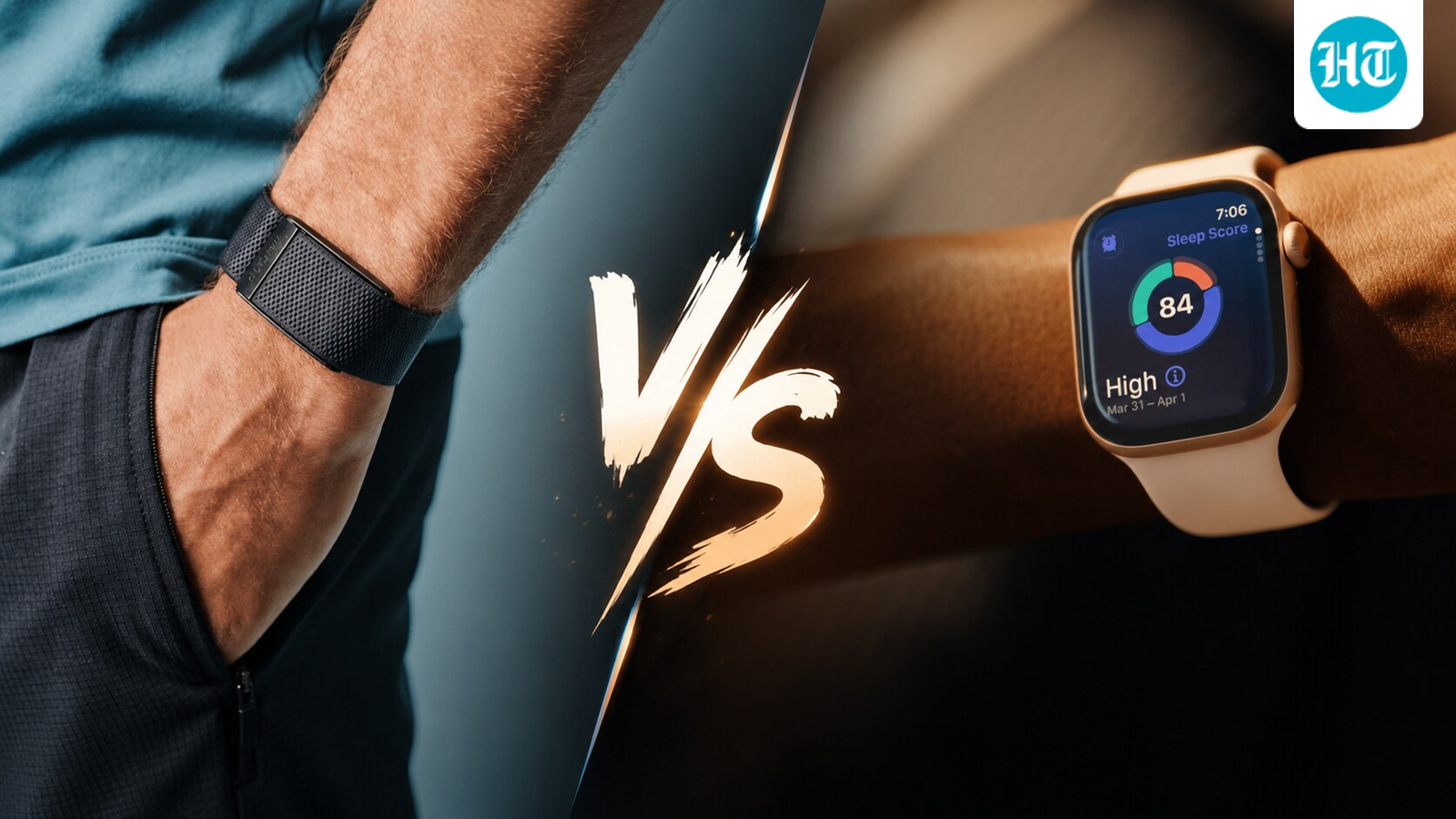
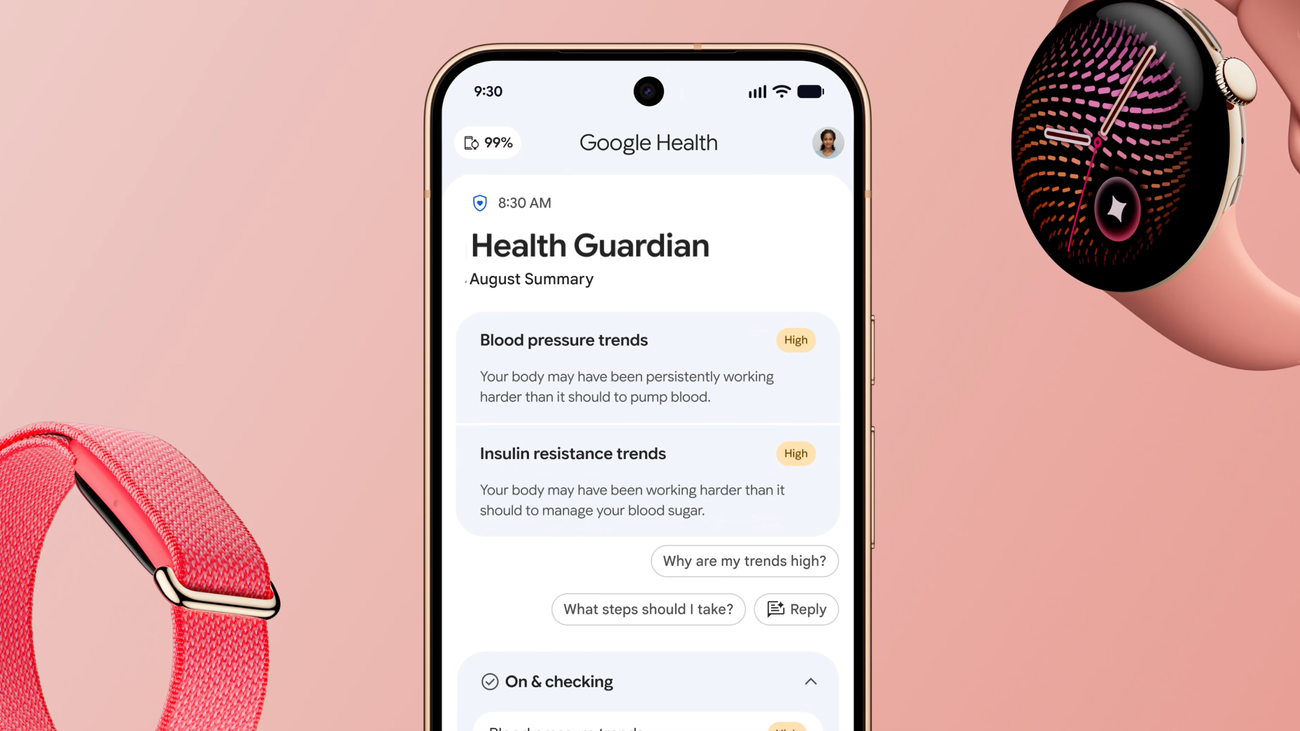
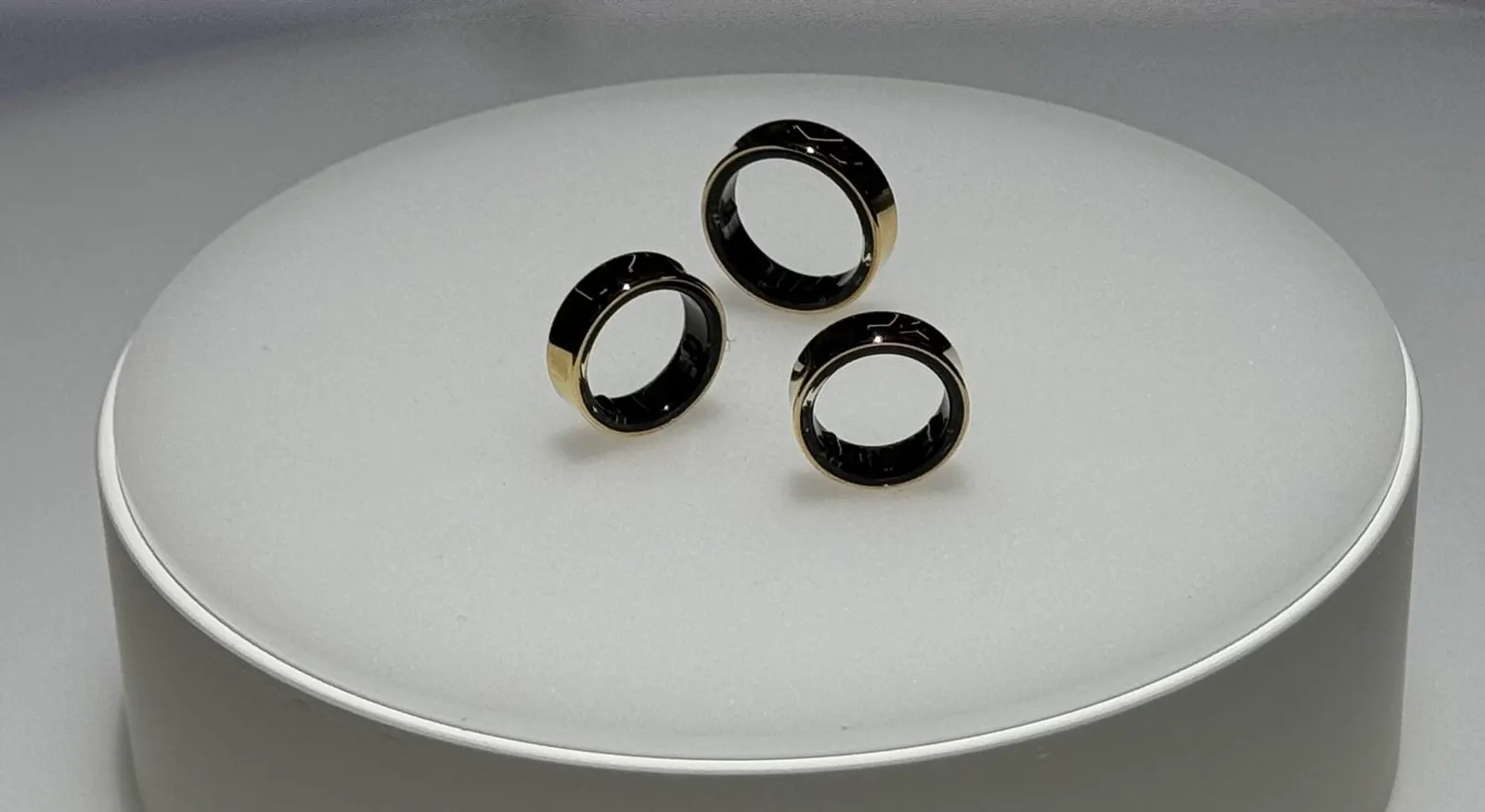
Some office workers in their early 30s are already buying smart hardware products focused on health monitoring. The trend has created an opening for smart wearable devices to become a more direct channel for proactive health management. According to Omdia, global wearable device shipments reached about 200 million units in 2025, underscoring the growing role of health monitoring in consumer technology.