6 min
read
During the 60-day period following the interim memorandum of understanding, we might notice rhetoric going up and down, and there might be occasional, isolated strikes, but it is less likely to go back into a full-fledged war for several reasons.
For all the latest headlines, follow our Google News channel online or via the app.On the Iranian side, the country simply cannot afford to let the conflict reignite on a major scale. Iran’s economy was already under severe strain from years of sanctions, mismanagement, and prior conflicts before the 2026 escalation. The recent war has pushed it into freefall. The International Monetary Fund projected a contraction of around 6.1 percent for 2026, with inflation soaring well above 40-60 percent in recent periods. Food inflation has been particularly devastating, with bread and cereals up over 140 percent, oils and fats surging 219 percent, and other staples seeing triple-digit increases in some cases. Ordinary Iranians have faced skyrocketing prices for essentials, contributing to widespread protests and social unrest that have challenged the regime’s stability.
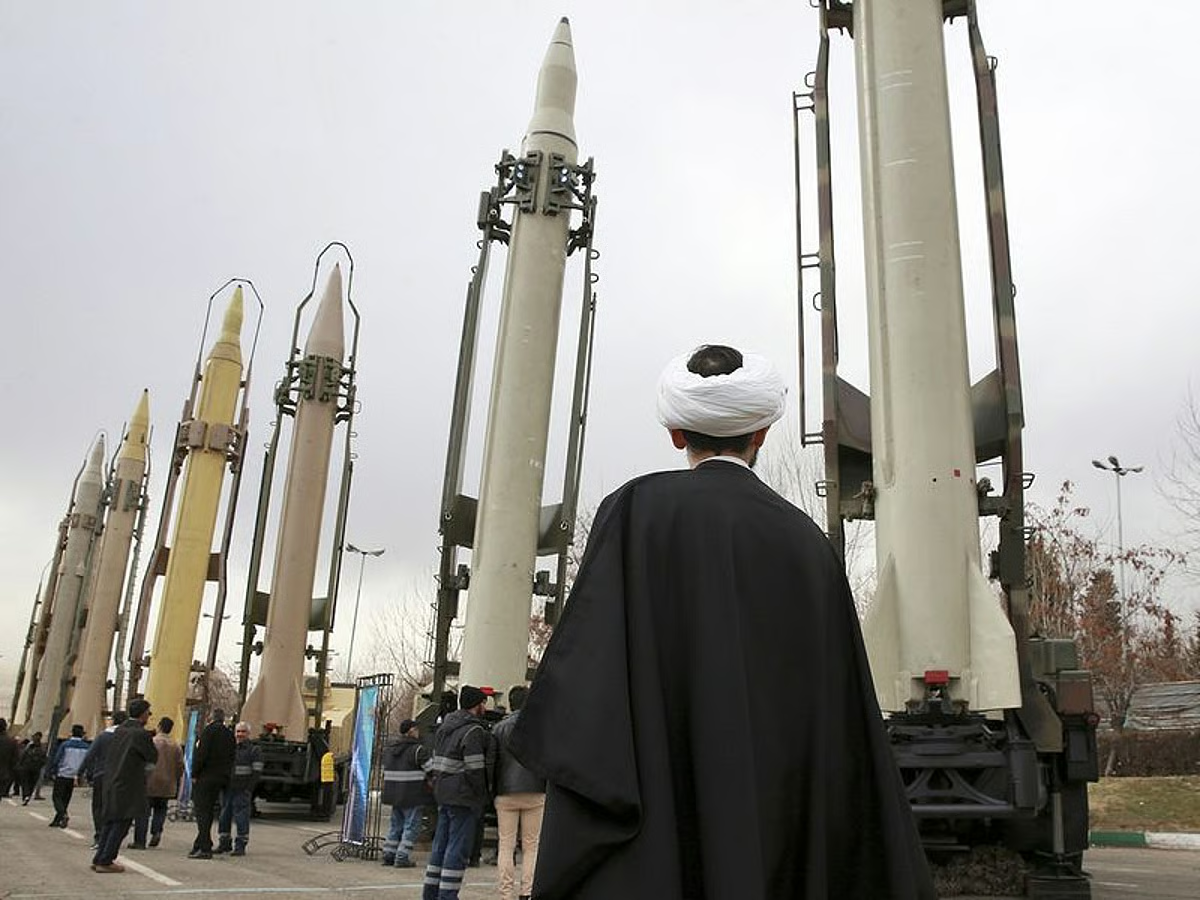
Iran’s economic and military pressures