Blood pressure is one of the so-called “vital signs” that medical practitioners use to determine the basic state of a patient in any given moment. It’s exactly what it sounds like—a measurement of the pressure of the blood flowing through the body, with some complications to account for the pulsatile nature of human blood flow.
You might think measuring blood pressure is a solved concern, and it mostly is. With that said, some blood pressure monitors out there aren’t quite doing their job properly, and [Milos Rasic] came to Hackaday Europe 2026 to spell out the problem.
Under Pressure
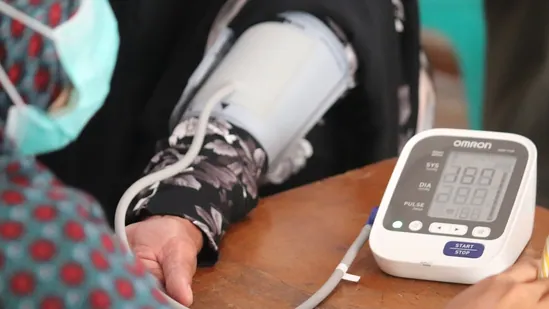
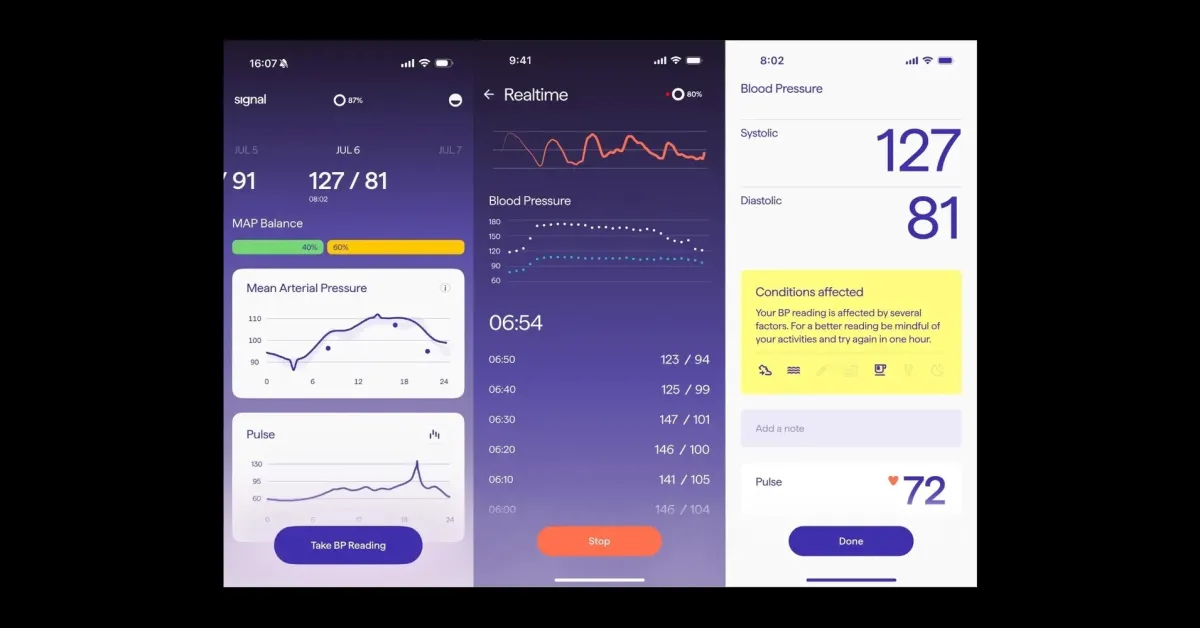
Before exploring the issue, it’s worth first understanding how blood pressure is actually measured. On a baseline level, it’s the same as pressure being measured in any other fluid. Specifically, though, when it comes to blood, it’s important to measure the pressure at two points. There is the peak, when the heart muscle is contracting, referred to as systolic pressure, and the low point, when the heart relaxes, referred to as diastolic pressure. Thus, blood pressure is referred to with two numbers, such as “140 over 90” or 140/90, referring to systolic and diastolic pressures respectively. It’s sometimes important to track the mean arterial pressure, too. Typically, nominal blood pressure would be considered around 120/80 mmHg. High blood pressure, or hypertension, starts at figures over 130/80 mmHg, while low blood pressure, or hypotension, would be considered relevant below 90/60 mmHg.