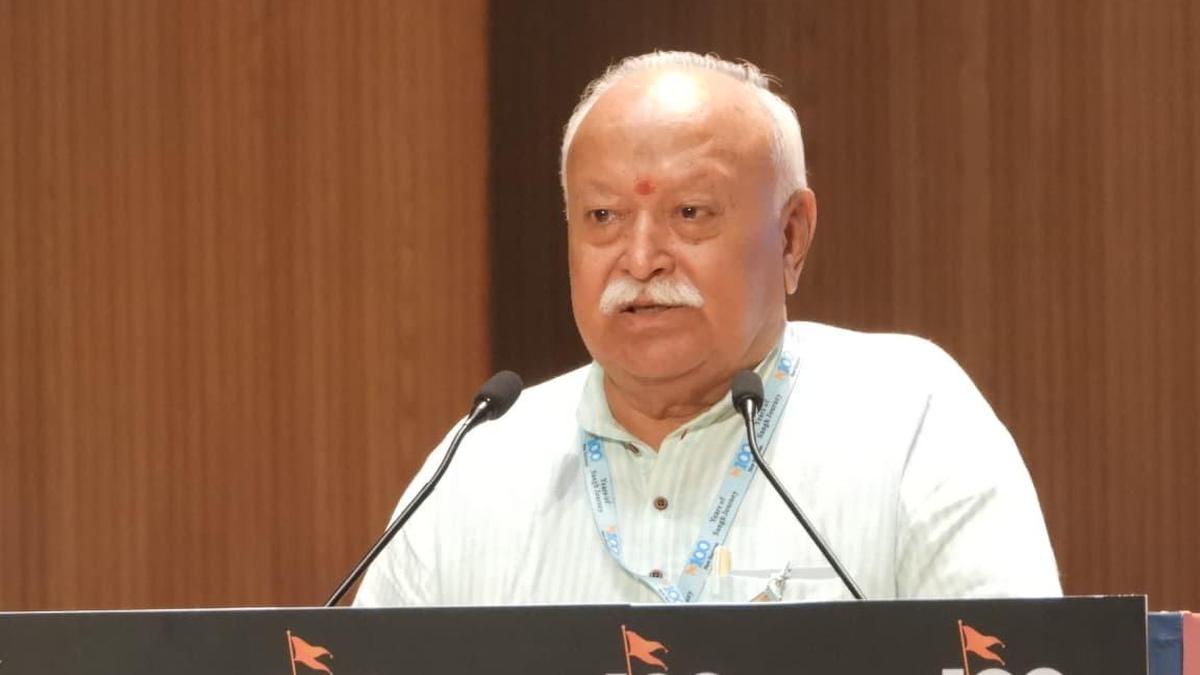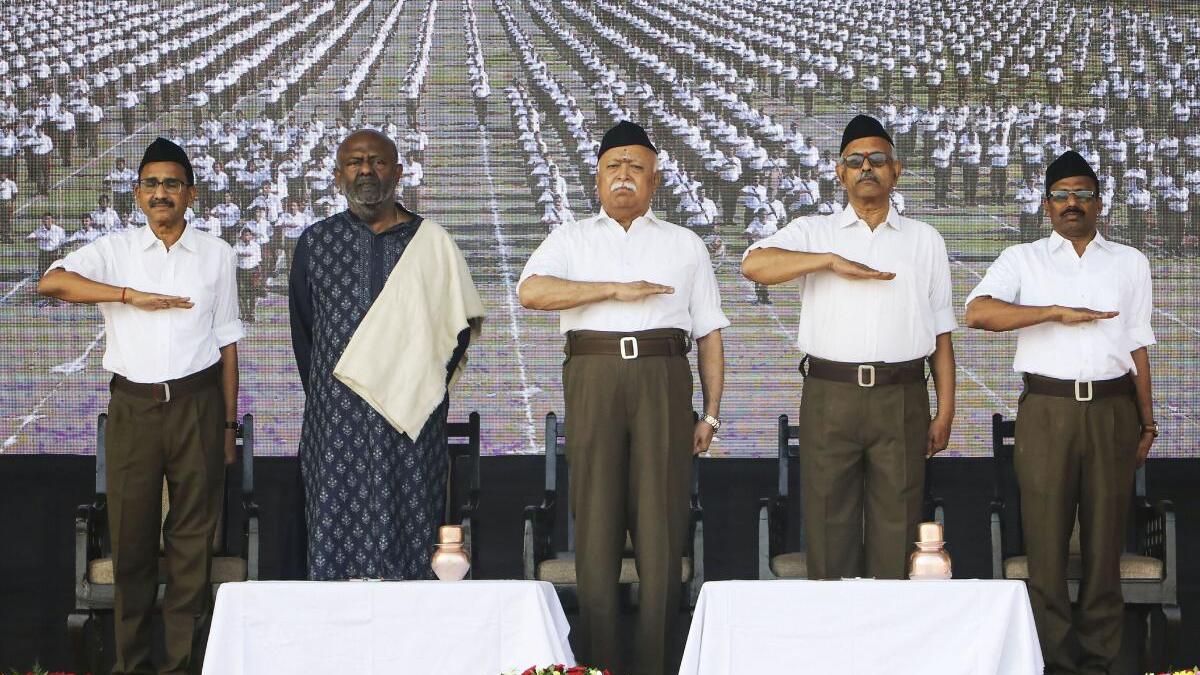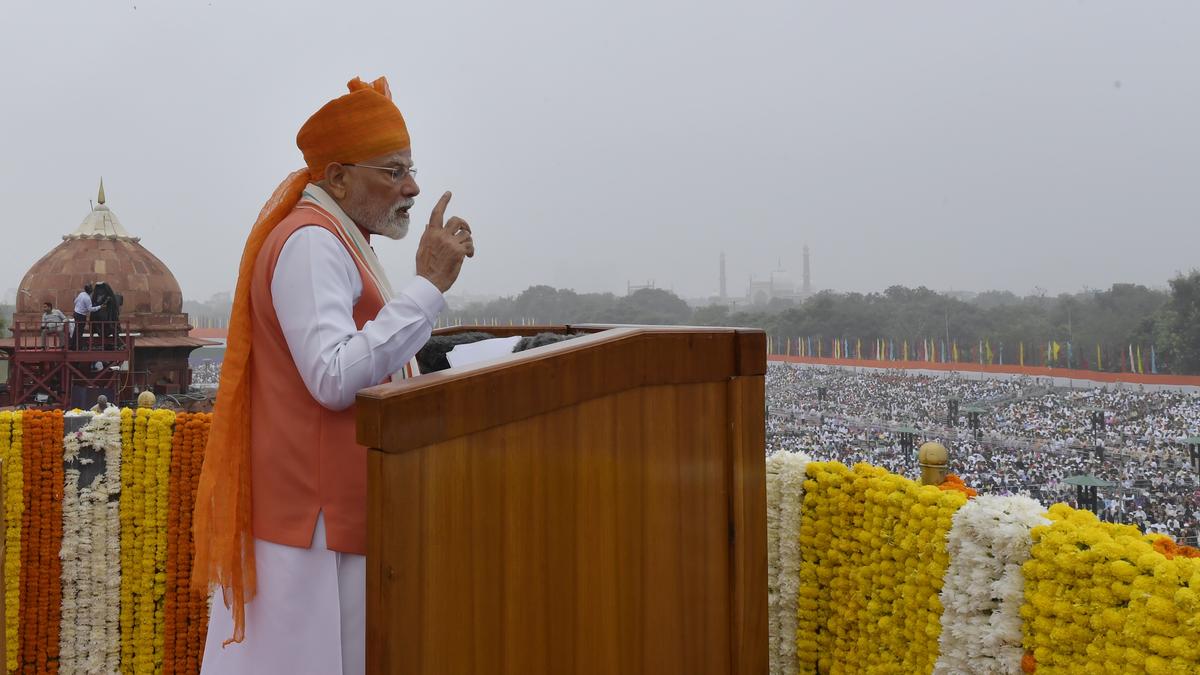
Prime Minister Narendra Modi called it “the world’s largest NGO.” A global database describes its family of organizations as “the largest far-right network in history.” Yet, the Rashtriya Swayamsevak Sangh (RSS), the ideological-organizational parent of India’s ruling Bharatiya Janata Party (BJP), remains an unregistered entity a hundred years after it was established.
The RSS is neither a trust nor a non-profit. It is not a legal entity and, hence, is free from financial and other scrutiny.
Recently, the Congress, India’s main opposition party, launched a series of attacks on the RSS for its unregistered status. However, the RSS top brass made it clear that they have no intention of registering the organization, as Indian laws do not mandate registration of every association.
The debate around the RSS’s lack of registration is decades old. It resurfaced last year, when it emerged that the RSS had appointed a lobbyist in the United States and spent $330,000 on it.
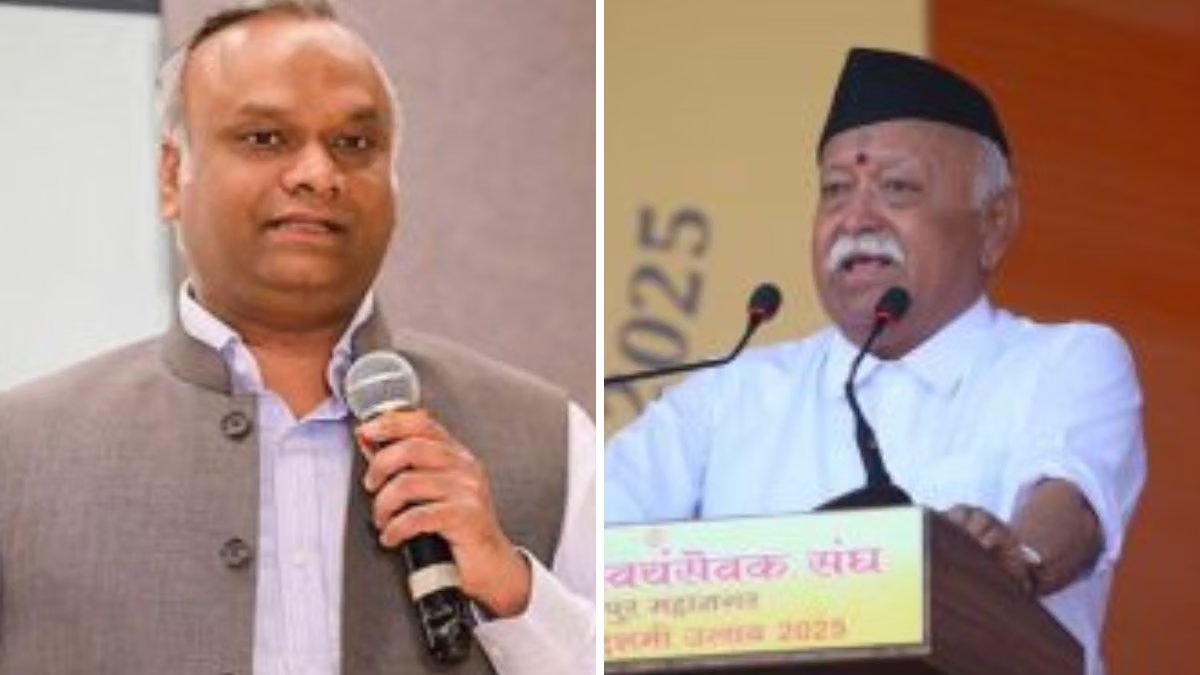
In June this year, Priyank Kharge, who is the home minister in the Congress-run southern state of Karnataka, revived the issue by demanding that the RSS register itself as an organization, disclose its funding, finances, office-bearers, and operations, and operate with greater transparency. “In a country where even a street vendor must register, temples and Gods must account for every donation received and citizens must file tax returns, how can RSS be exempted?” he asked.