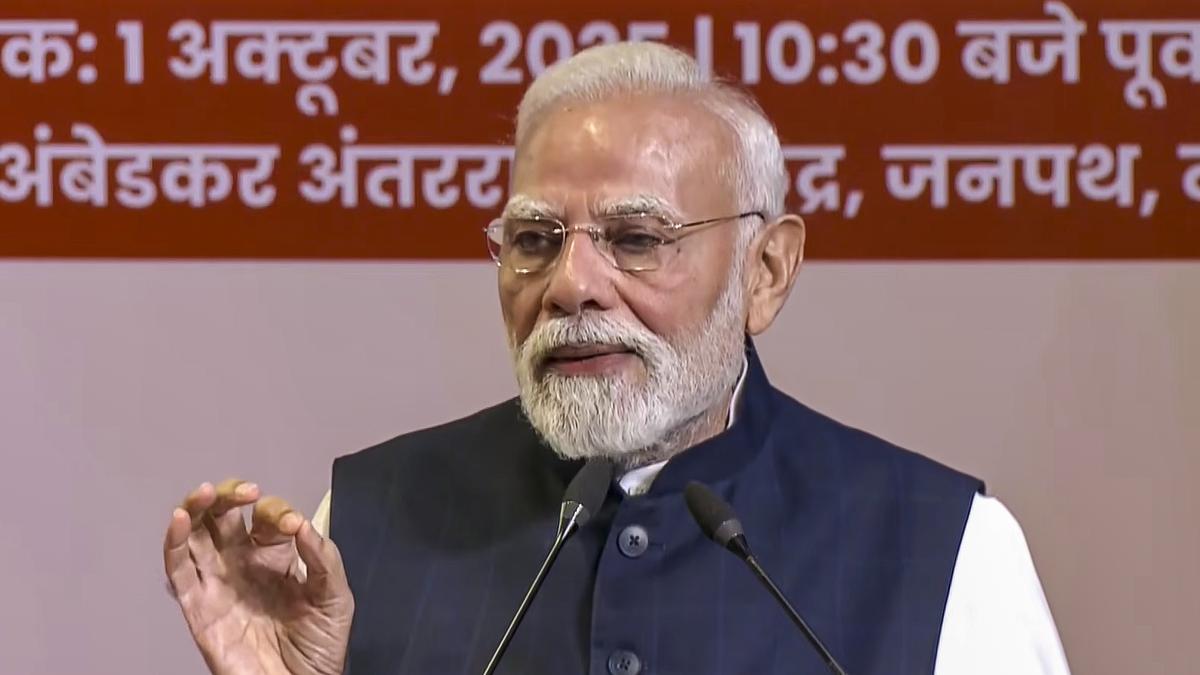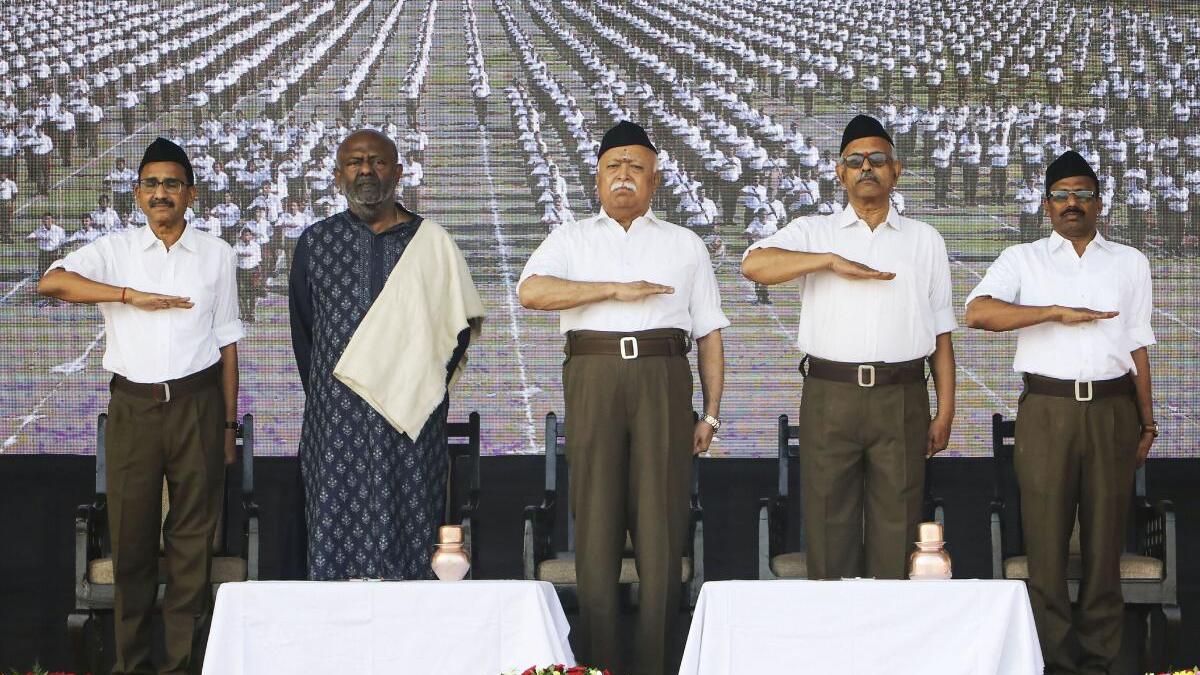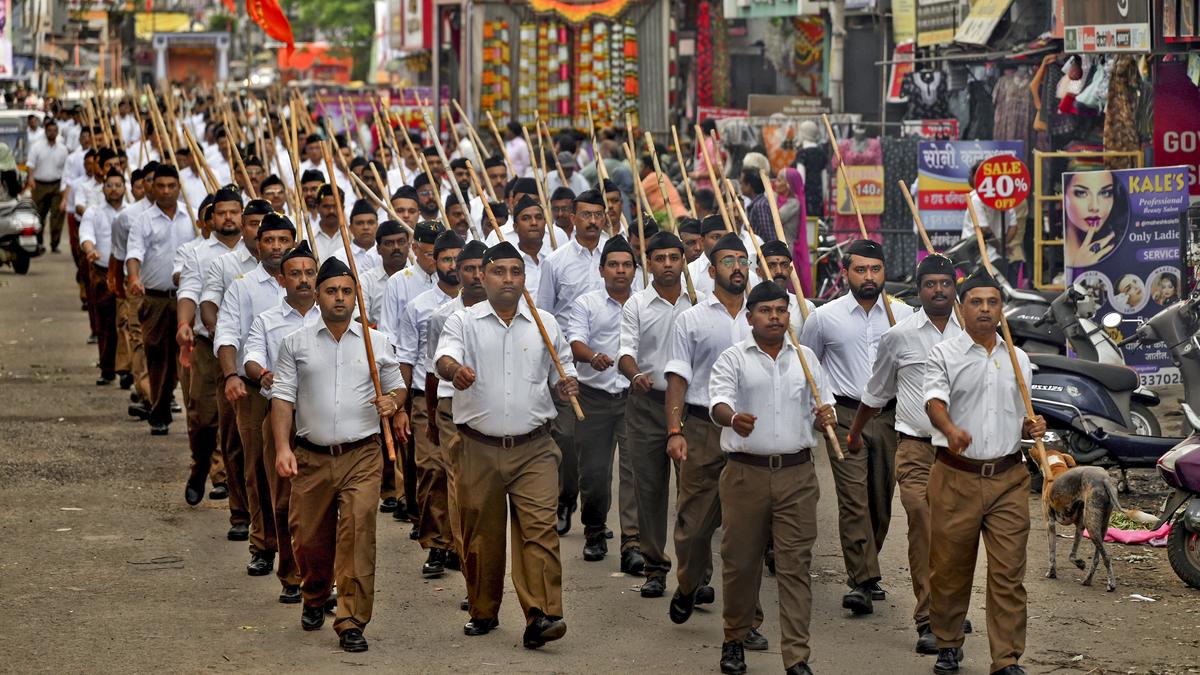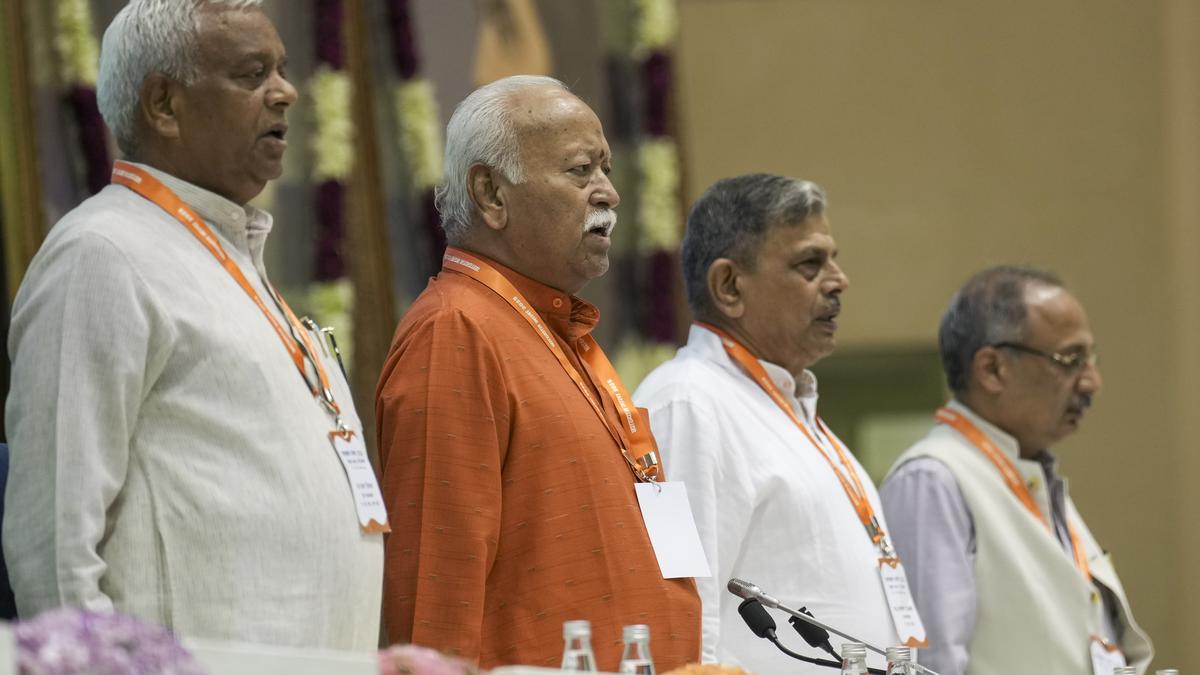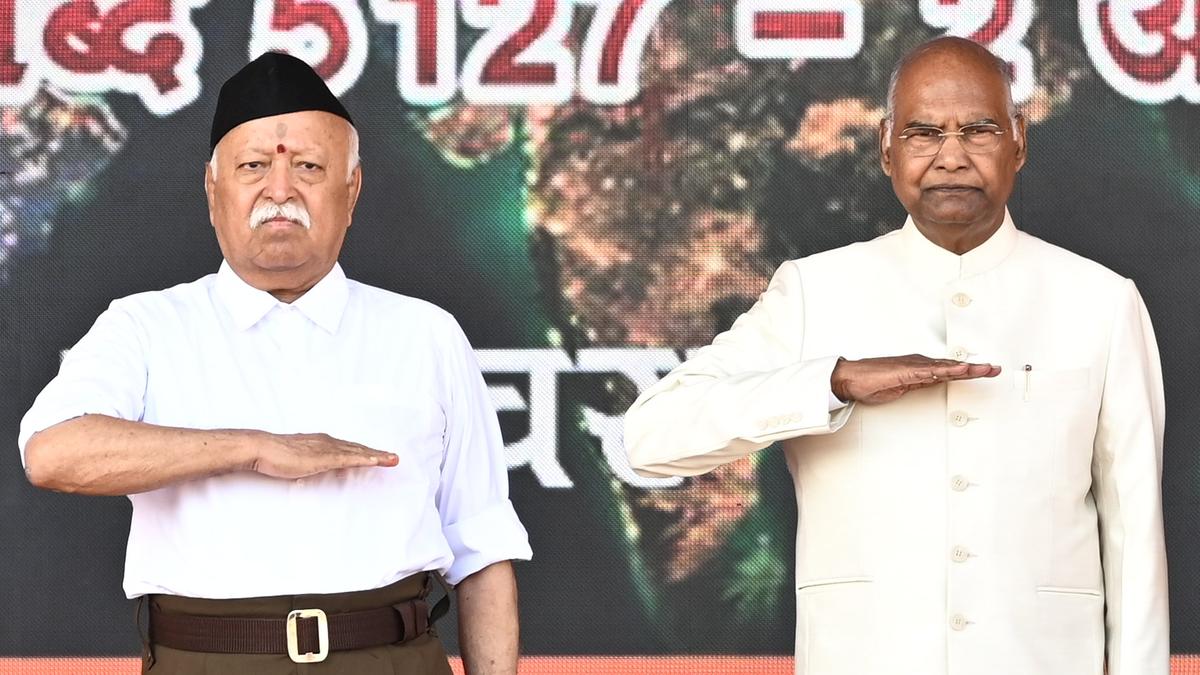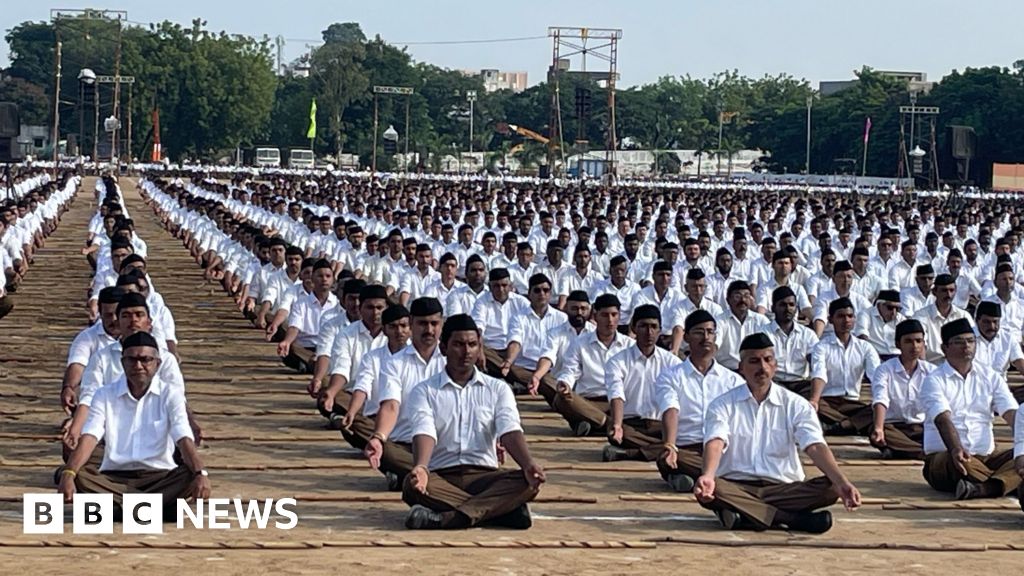
The Rashtriya Swayamsevak Sangh (RSS), the Hindu nationalist organisation whose work played a large role in propelling Indian Prime Minister Narendra Modi to power, has celebrated its centenary with an event attended by thousands of members.
In a speech at RSS headquarters in the western city of Nagpur, its chief Mohan Bhagwat addressed a range of topics, including the conflict with Pakistan earlier this year, climate change, economic inequality and political turmoil in India's neighbouring countries.
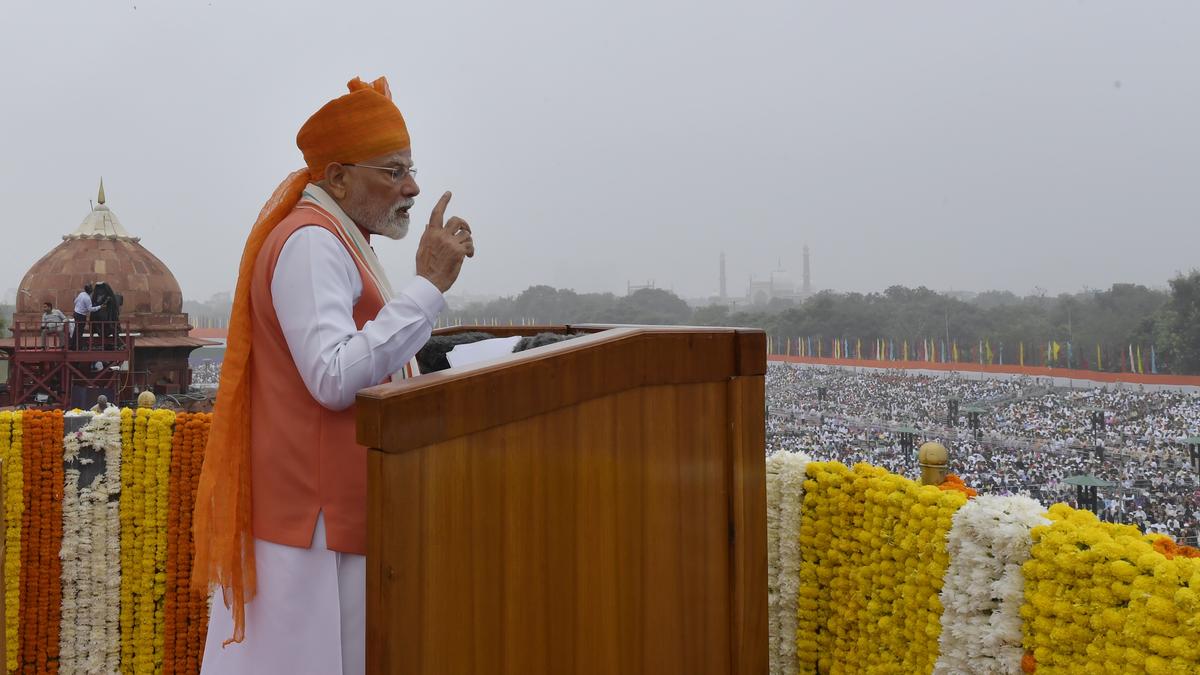
"The world functions through dependence on each other. That is how relations between any two nations are maintained. No country can survive in isolation," he said, echoing Modi's emphasis on self-reliance in the context of Donald Trump's hefty tariffs on India.
The all-male RSS, the most powerful of India's Hindu nationalist groups, has often been accused of practising a divisive ideology, which it denies.
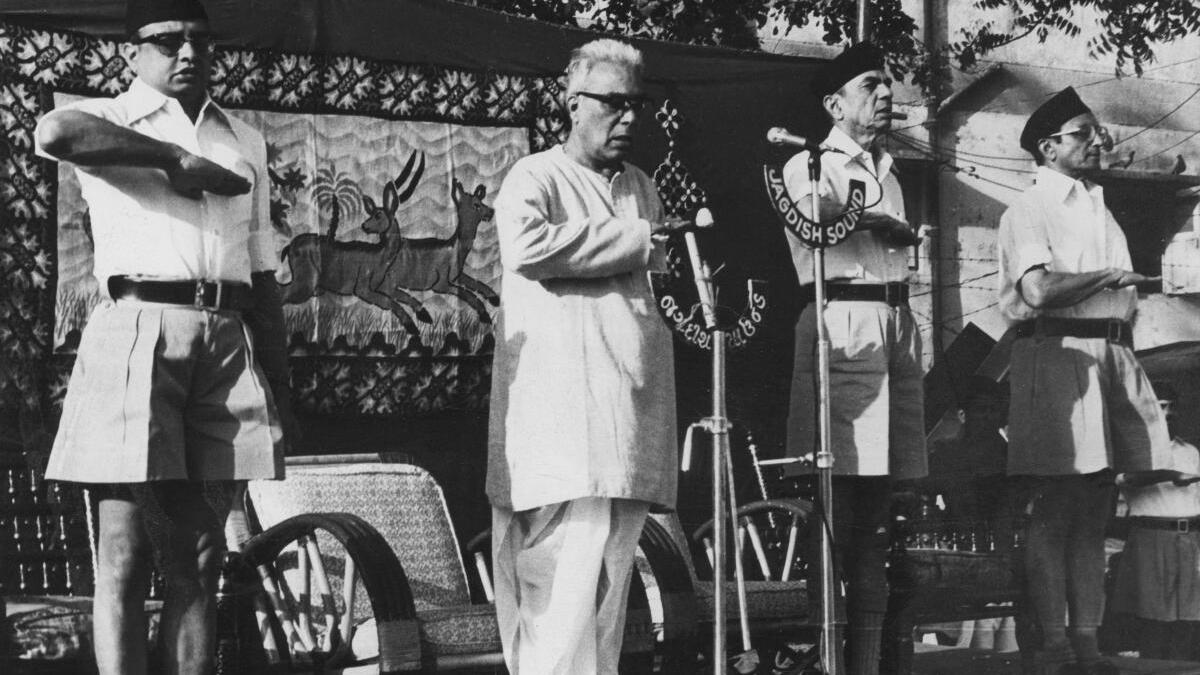
Founded in 1925 by an Indian physician, Keshav Baliram Hedgewar, the RSS, seen as the ideological fountainhead of the country's ruling political party, the Bharatiya Janata Party (BJP), has become the most influential organisation in the country.