FADA President CS Vigneshwar
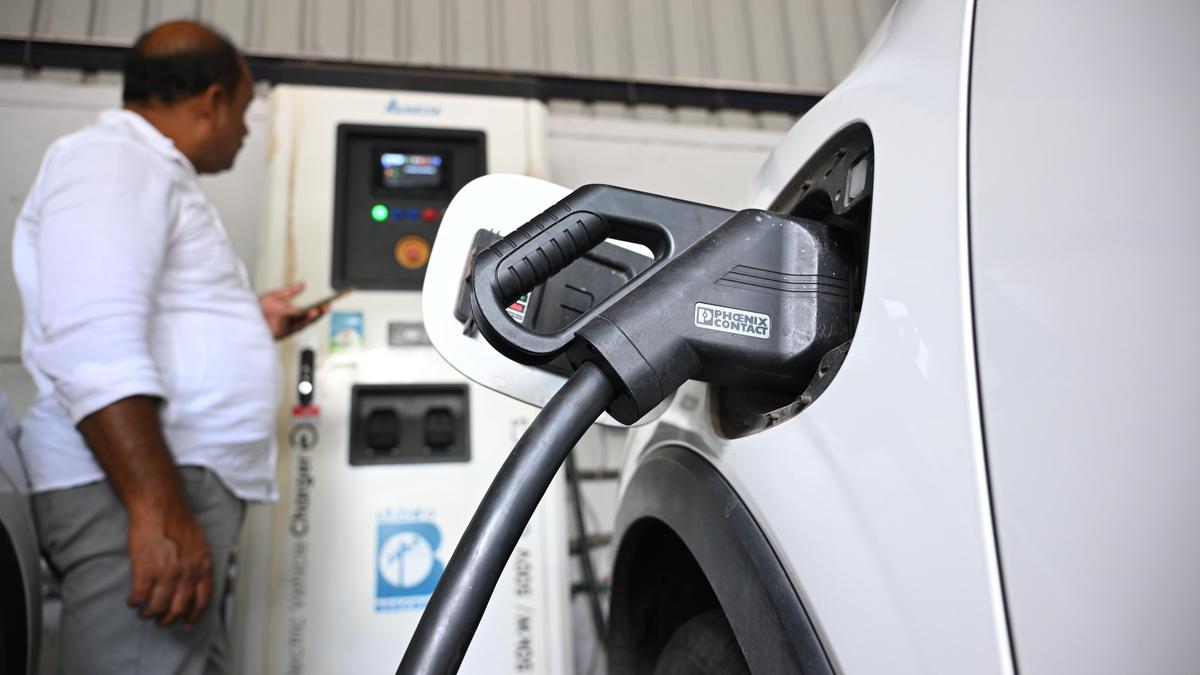
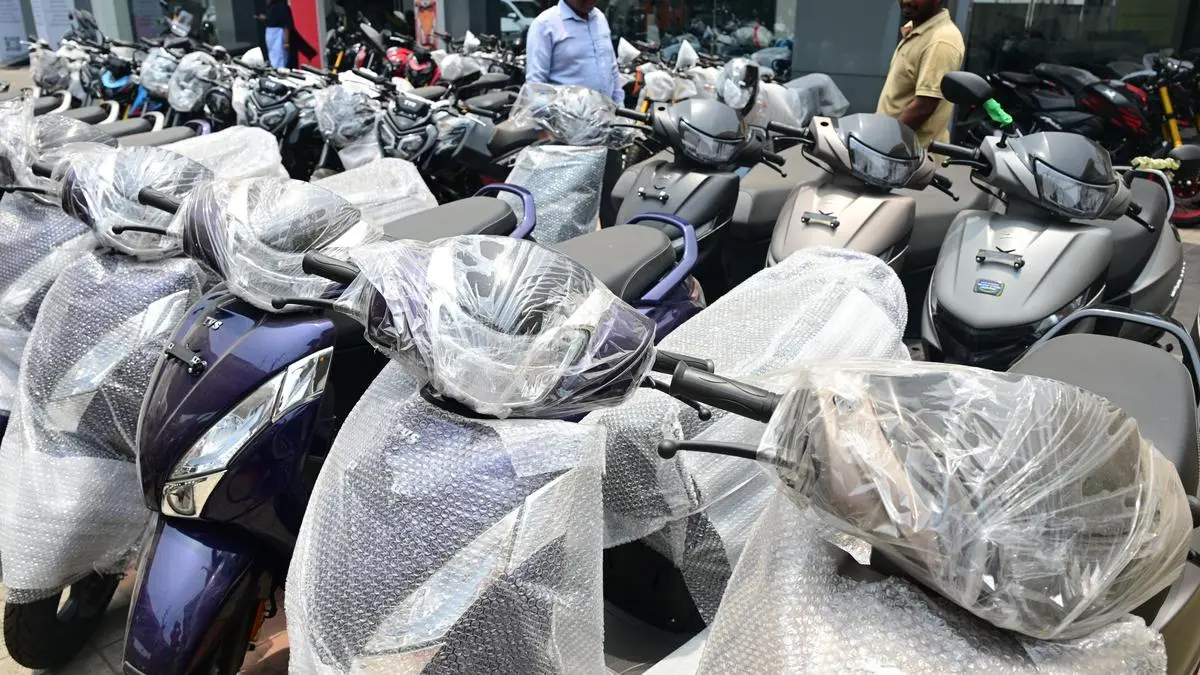
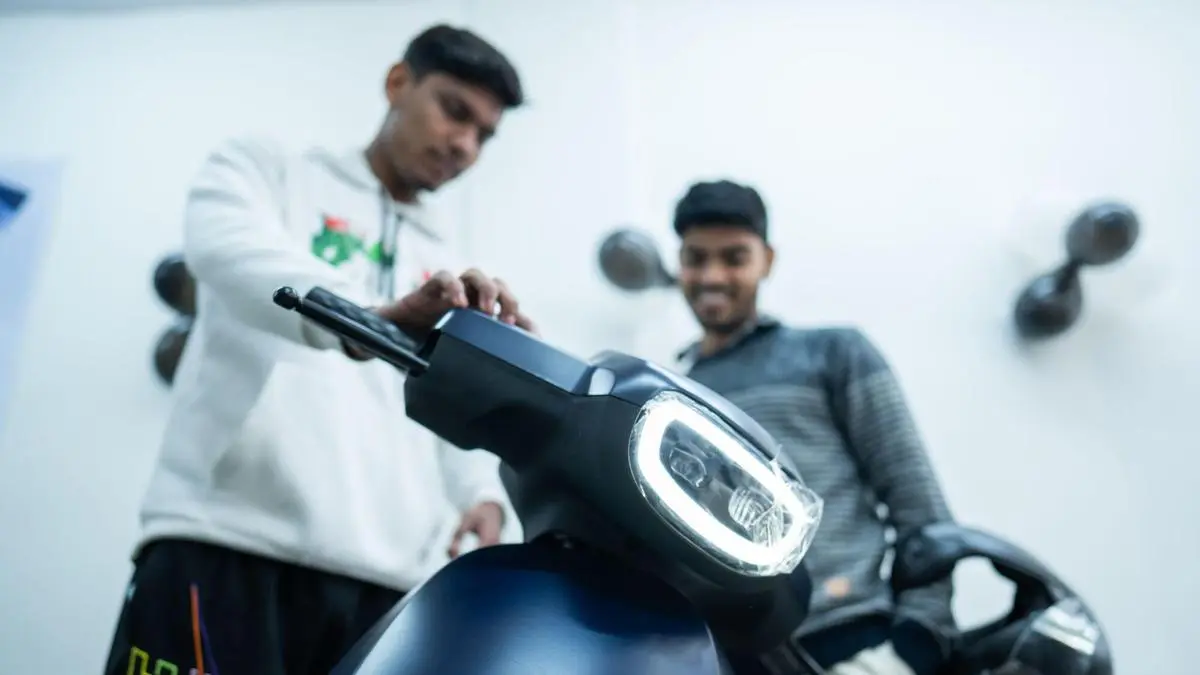
India’s electric two-wheeler market is beginning to face supply constraints as demand accelerates with waiting periods stretching beyond a month across several brands, and manufacturers scrambling to expand production, according to the Federation of Automobile Dealers Associations (FADA).The dealers’ body said the surge in EV demand reflects a broader shift in consumer preference towards alternative powertrains even as conventional petrol and diesel vehicles steadily lose market share. Speaking to businessline, FADA President CS Vigneshwar said dealerships are witnessing a sharp rise in bookings for electric two-wheelers, with waiting periods varying by brand and region. At his dealership, bookings have stretched to nearly two months, while brands such as Hero, TVS and Bajaj are also seeing waiting periods as manufacturers struggle to match demand.“Capacity has to be increased. Availability of batteries and chips could also become a challenge because much of the supply chain is still dependent on imports,” Vigneshwar told businessline. He added that manufacturers would have to scale production as EV demand continues to rise.The demand surge is expected to gather further momentum as States roll out new EV policies and incentives, while the Centre continues to support electric mobility through schemes such as PM E-DRIVE.A tipping pointThe strong demand for EVs comes as India’s passenger vehicle market undergoes its biggest fuel transition in decades. FADA’s June retail data showed CNG, hybrid and electric vehicles together accounted for 40.35 per cent of passenger vehicle registrations, the first time alternative powertrains have crossed the 40 per cent mark. Petrol vehicles accounted for 43.63 per cent of registrations, while diesel’s share fell to 16.02 per cent.“Ten years ago nearly 95 percent of the market was petrol and diesel. Today, alternative powertrains have reached around 40 per cent. At this pace, CNG, hybrids and EVs together should account for more than 50 per cent of passenger vehicle sales within the next two to three years,” he said.Petrol loses fastestThe June fuel mix points to a clear shift away from conventional fuels. Petrol’s share of passenger vehicle registrations declined to 43.63 per cent from 47.68 per cent in June 2025, a drop of 4.05 percentage points, the sharpest decline among all fuel types. Diesel also continued its gradual slide, falling to 16.02 per cent from 18.74 per cent, a decline of 2.72 percentage points.Together, petrol and diesel accounted for 59.65 per cent of passenger vehicle registrations, down from 66.42 per cent a year earlier, highlighting the rapid diversification of India’s passenger vehicle market.Biggest winnerWhile EVs continue to dominate headlines, CNG has quietly been the biggest gainer over the past year. CNG’s share of passenger vehicle registrations increased to 24.33 per cent from 20.82 per cent, a gain of 3.51 percentage points, exceeding the 2.95 percentage-point increase in EVs, whose share rose to 7.75 per cent from 4.80 per cent. Hybrid vehicles also strengthened, increasing to 8.27 per cent from 7.97 per cent. The data indicate that India’s transition is being driven by multiple technologies, rather than electrification alone.The decline in petrol’s market share has coincided with growing public debate around E20 petrol. However, Vigneshwar said dealers have not observed widespread evidence that ethanol-related concerns are changing customer purchase decisions. According to him, most customers continue to rely on assurances from automakers and the government that E20-compatible vehicles are safe, while EV buying decisions are being driven primarily by lower running costs and a wider range of products. He added, however, that official communication around the E20 transition could have begun earlier to build consumer confidence before misinformation spread on social media.As more manufacturers expand EV and hybrid portfolios and production catches up with demand, dealers expect India’s passenger vehicle market to continue its transition from one dominated by petrol and diesel to one where consumers increasingly choose among multiple powertrain options.Published on July 6, 2026