If you judged the AI revolution solely by the stock market, you might conclude that artificial intelligence has already transformed corporate America. A significant portion of this phenomenon can be attributed to financial analysts who prioritize AI infrastructure expansion.
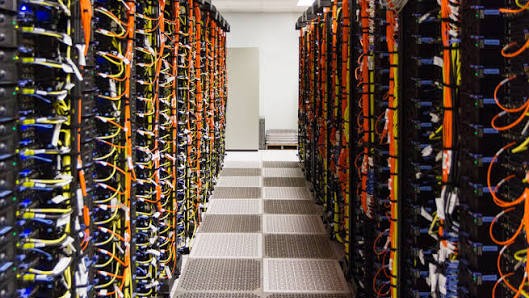
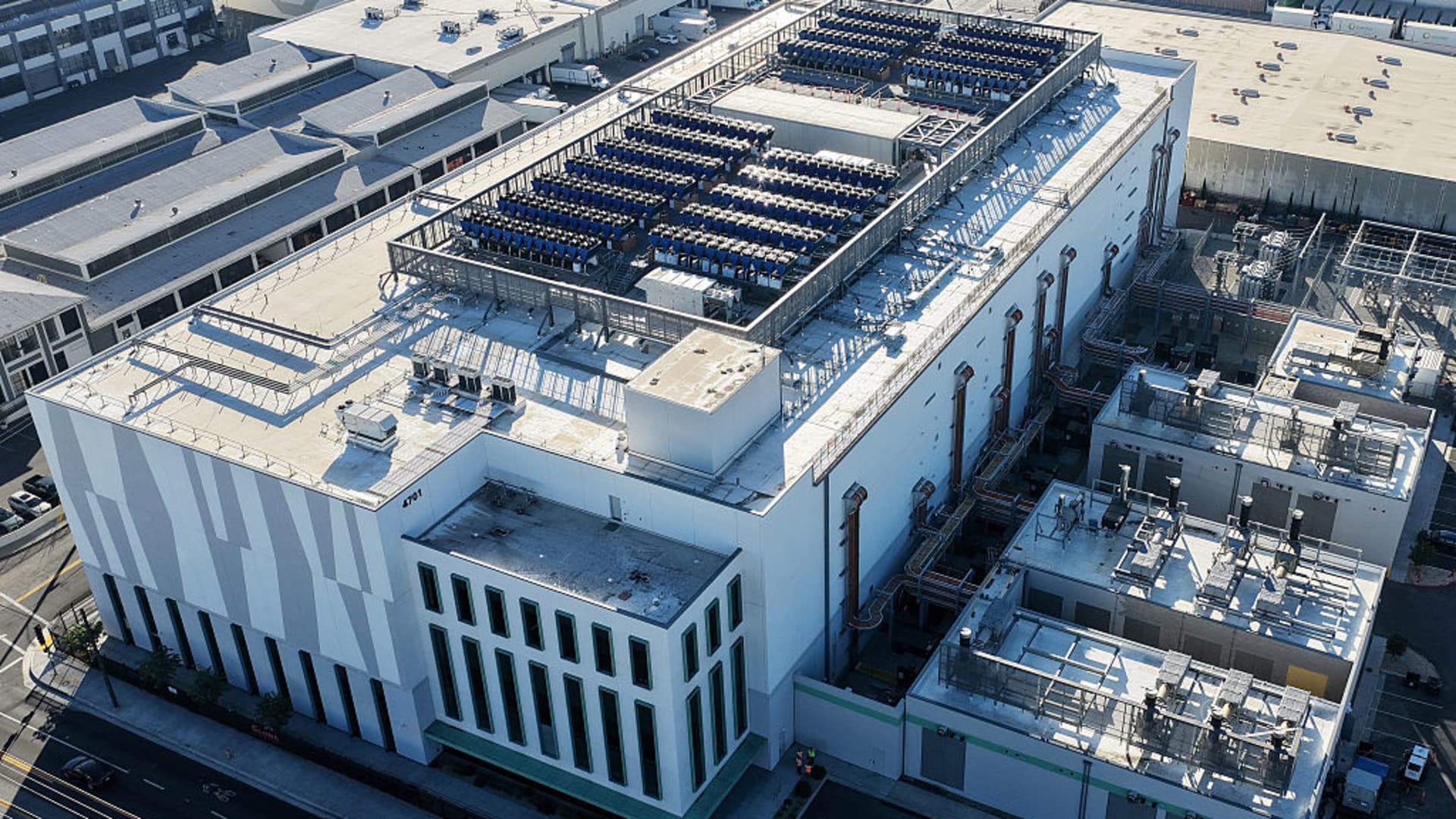
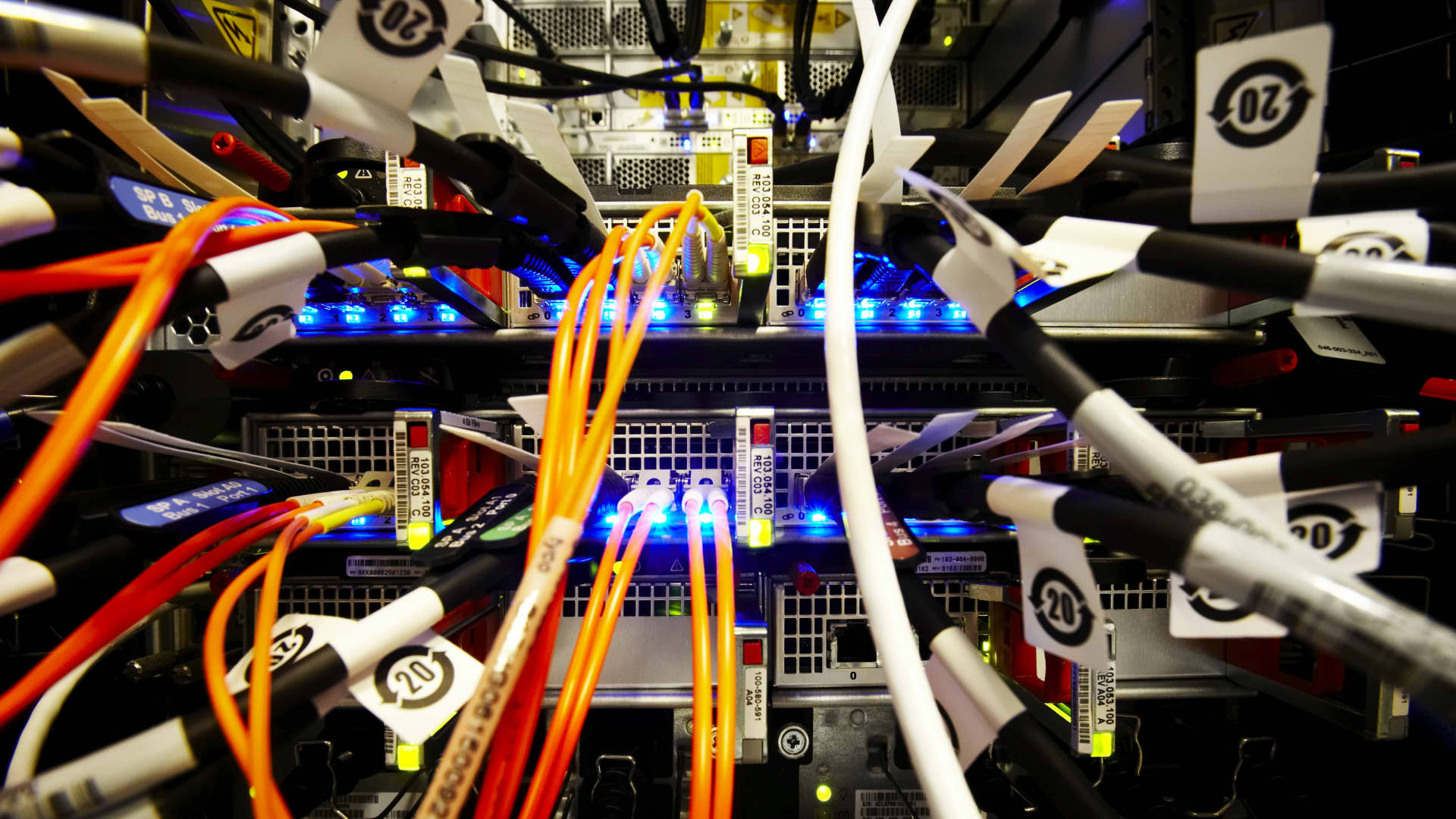
Nvidia has become one of the world’s most valuable companies. Dell Technologies has emerged as one of the biggest winners of the AI infrastructure boom. Hyperscale cloud providers continue to invest hundreds of billions of dollars in AI data centers, while semiconductor companies are enjoying one of the strongest growth cycles in decades.
The investment story is impossible to ignore. What has been less visible is the productivity dividend that those investments are expected to deliver. AI has fueled the largest infrastructure buildout in technology history, yet most companies have not fundamentally changed how work gets done.
Employees are using ChatGPT to summarize meetings, marketing teams are generating first drafts, and developers increasingly rely on coding assistants. Those are meaningful improvements, but they remain incremental rather than transformational. The biggest gains are still ahead.
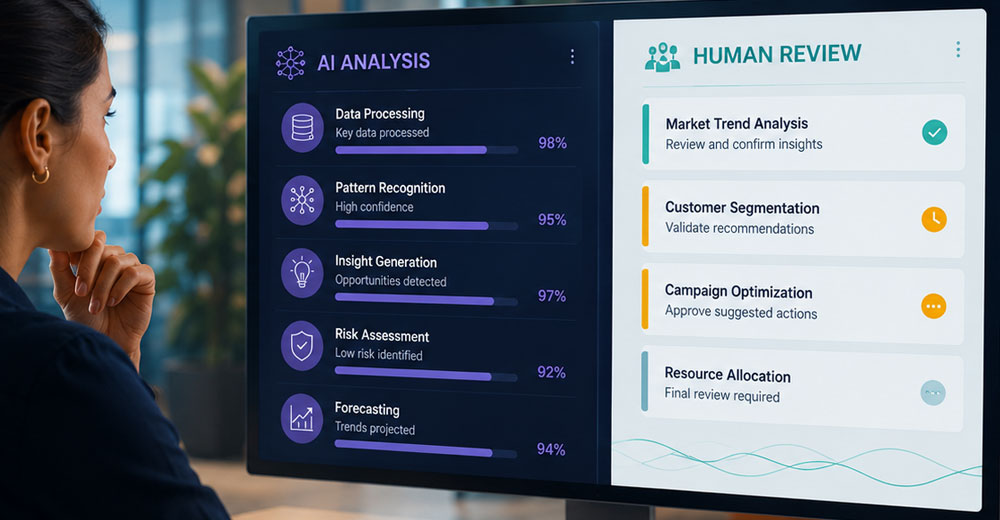
The next phase of AI adoption will be far more consequential than the infrastructure boom itself, as organizations begin to embed AI directly into business processes rather than simply using it as a conversational assistant. That shift will create new opportunities to reduce costs, improve decision-making, accelerate product development, strengthen customer experiences, and generate incremental revenue.