This article is part of our coverage of the latest in AI research.
Traditional robot programming relies on rigid pipelines that struggle to gracefully manage physical dynamics, environment configurations, and failures.
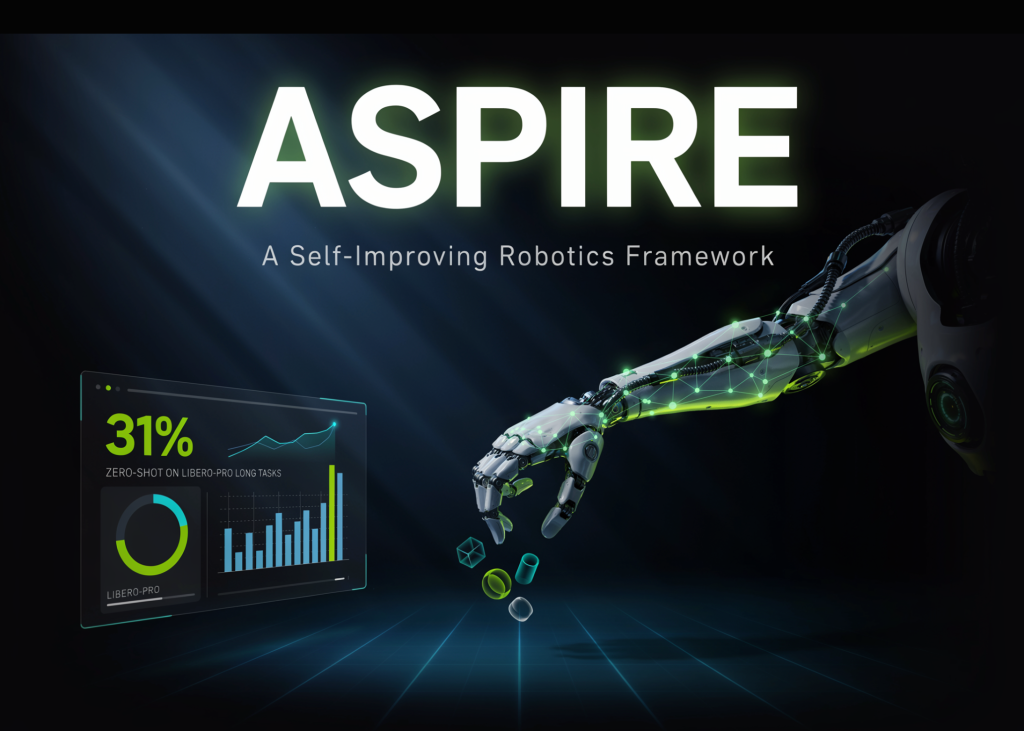
ASPIRE, a framework developed by Nvidia in collaboration with researchers from multiple universities, solves this challenge with a continual learning approach that lets artificial intelligence systems write, execute, and refine robot control programs autonomously.
ASPIRE diagnoses its own errors and distills successful repairs into a reusable skill library. This aligns with broader industry trends where reasoning models are increasingly used to let AI agents improve their own scaffolding.
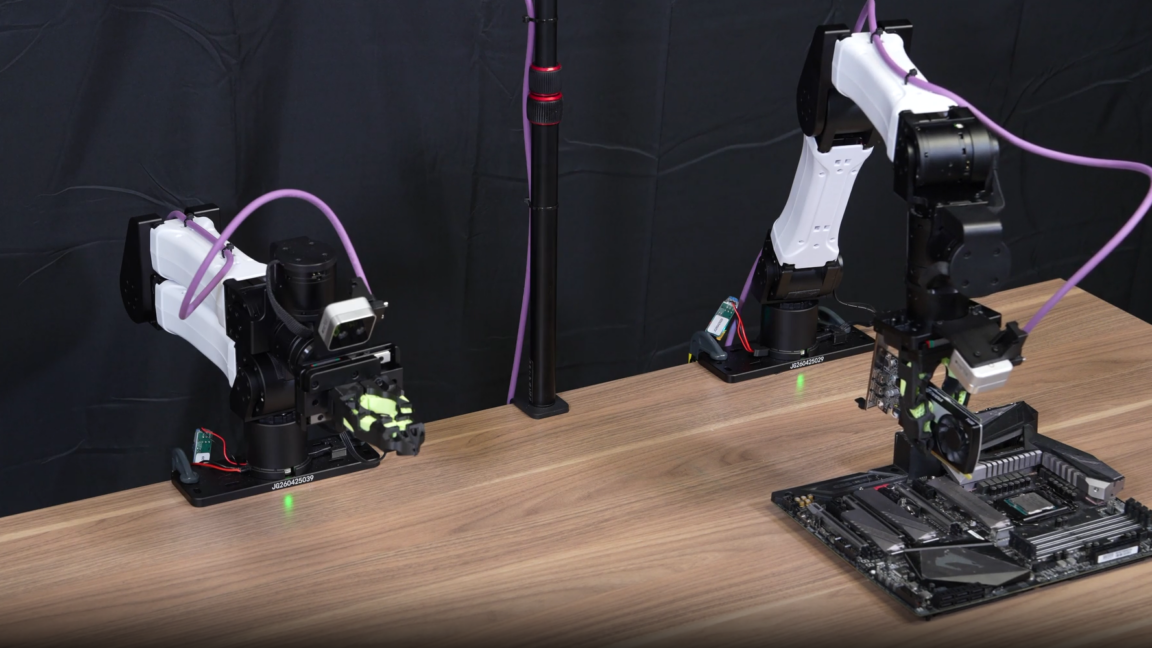
For real-world AI applications, this technique is highly relevant because it significantly reduces the programming, token, and debugging effort required on physical robots, even across different hardware embodiments and application programming interfaces.