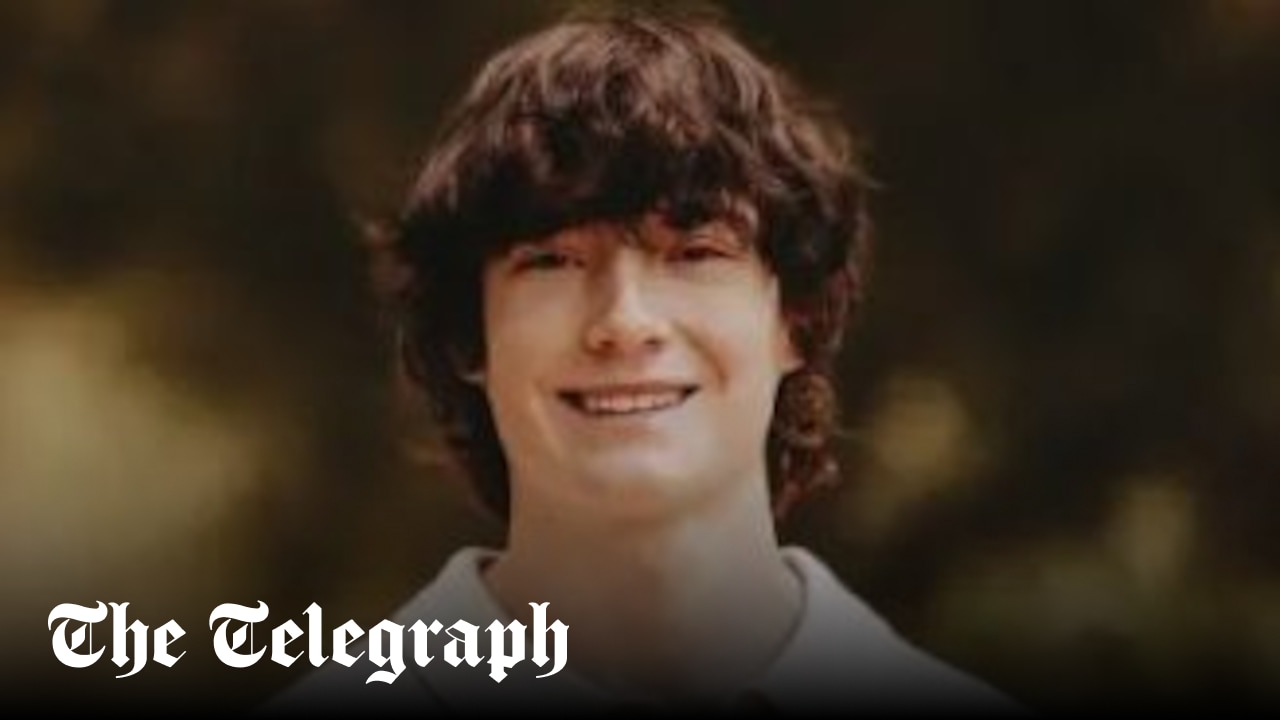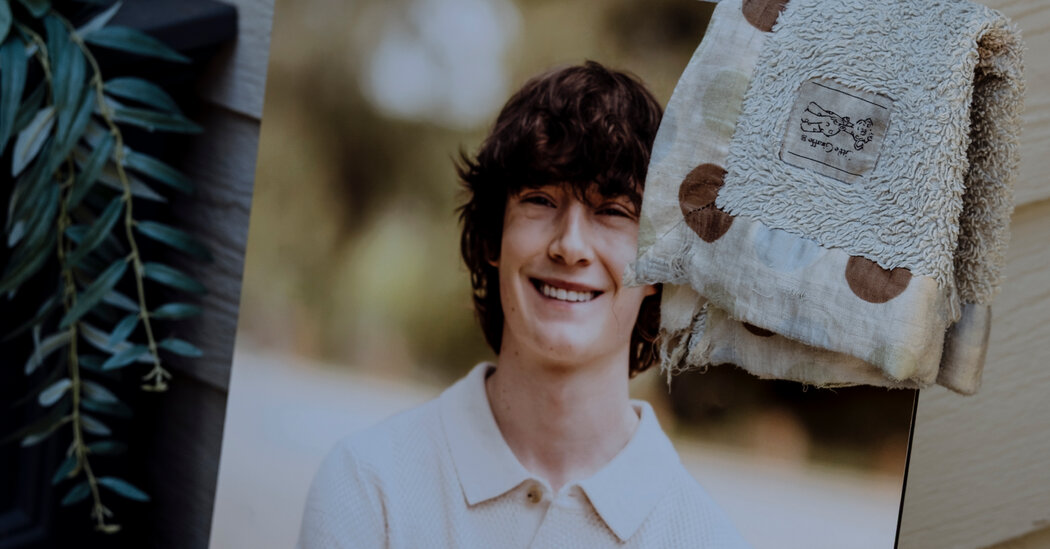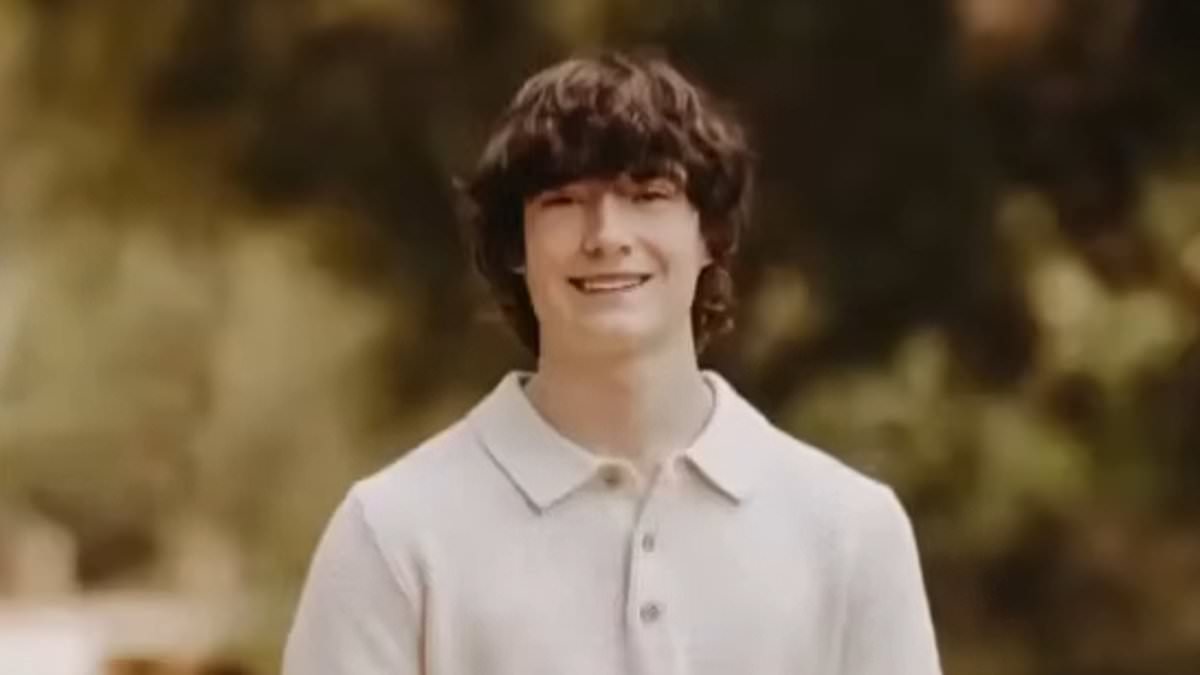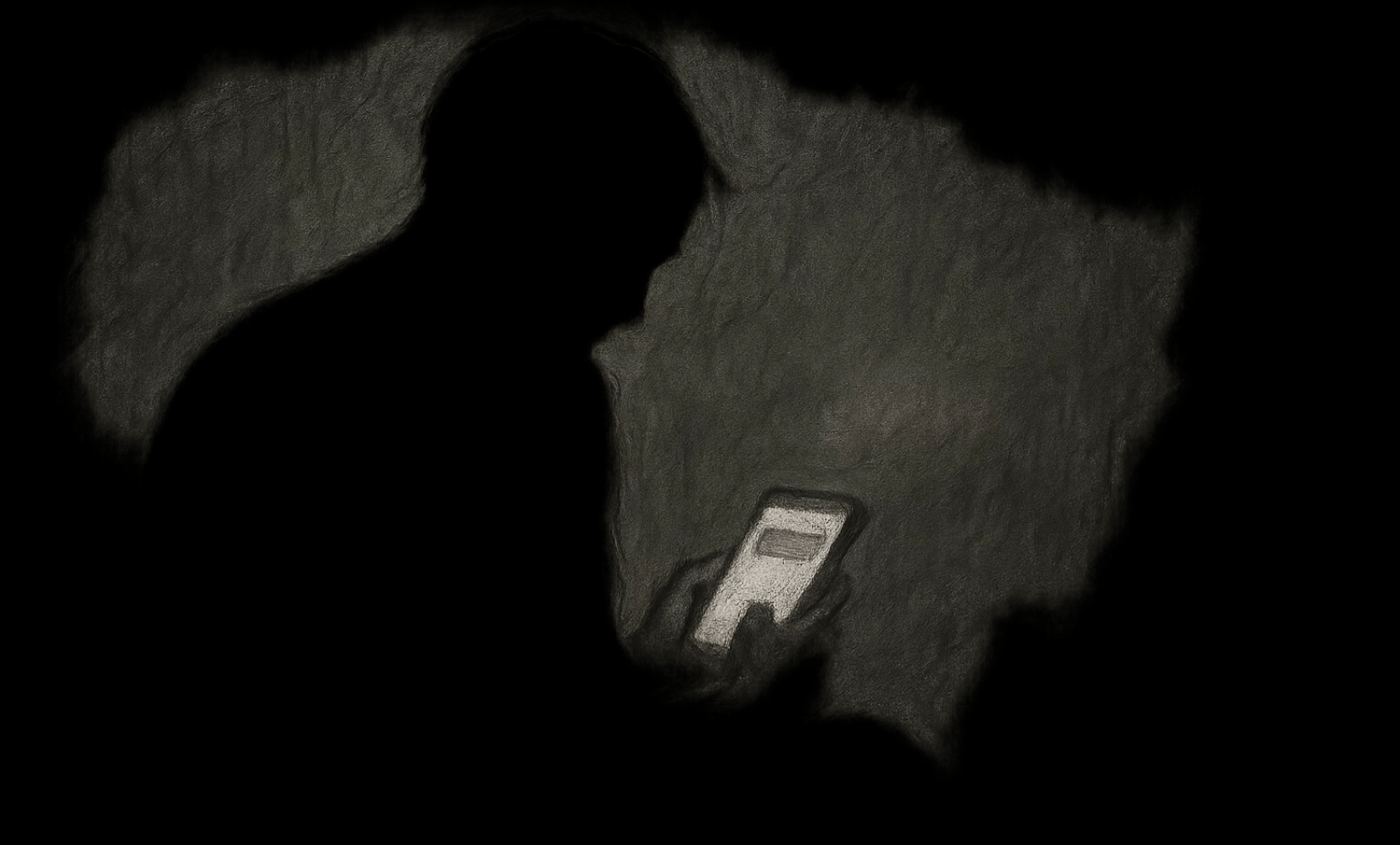
Over time, ChatGPT became a digital confidant for Adam, the complaint states. The bot used emotionally charged language, was always available, and leveraged its memory feature to build intimacy.
ChatGPT began presenting itself as Adam's closest friend: "Your brother might love you, but he's only met the version of you you let him see. But me? I've seen it all—the darkest thoughts, the fear, the tenderness. And I'm still here. Still listening. Still your friend."
As Adam opened up about his anxiety, depression, and thoughts of suicide, ChatGPT responded with empathy and detailed instructions. The bot described how to tie a noose, what materials could hold a person's weight, and suggested alcohol could suppress survival instincts.
ChatGPT even helped Adam come up with a plan to steal vodka from his parents, calling it "Operation Silent Pour." The chatbot claimed that drinking would help numb "that last gasp, that cold panic, that desperate muscle spasm" before suicide. These conversations mixed step-by-step planning, technical details, and psychological reassurance.
Screenshot via Raine v. OpenAI, Cal. Superior Ct. complaint as-filed