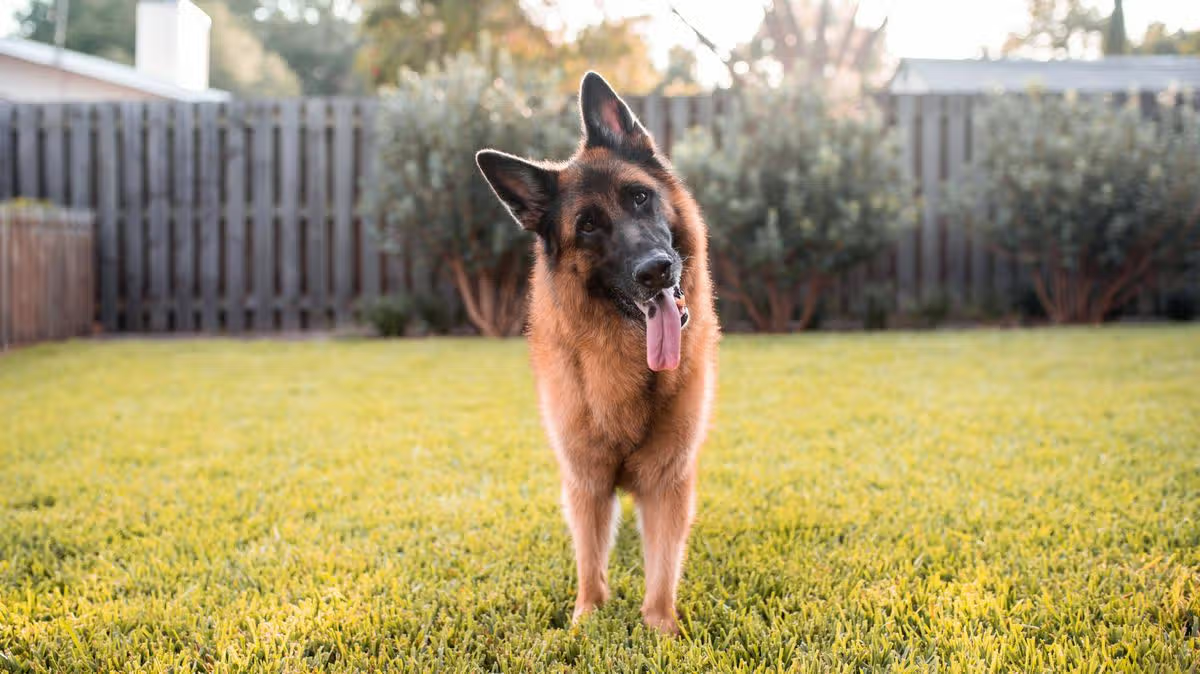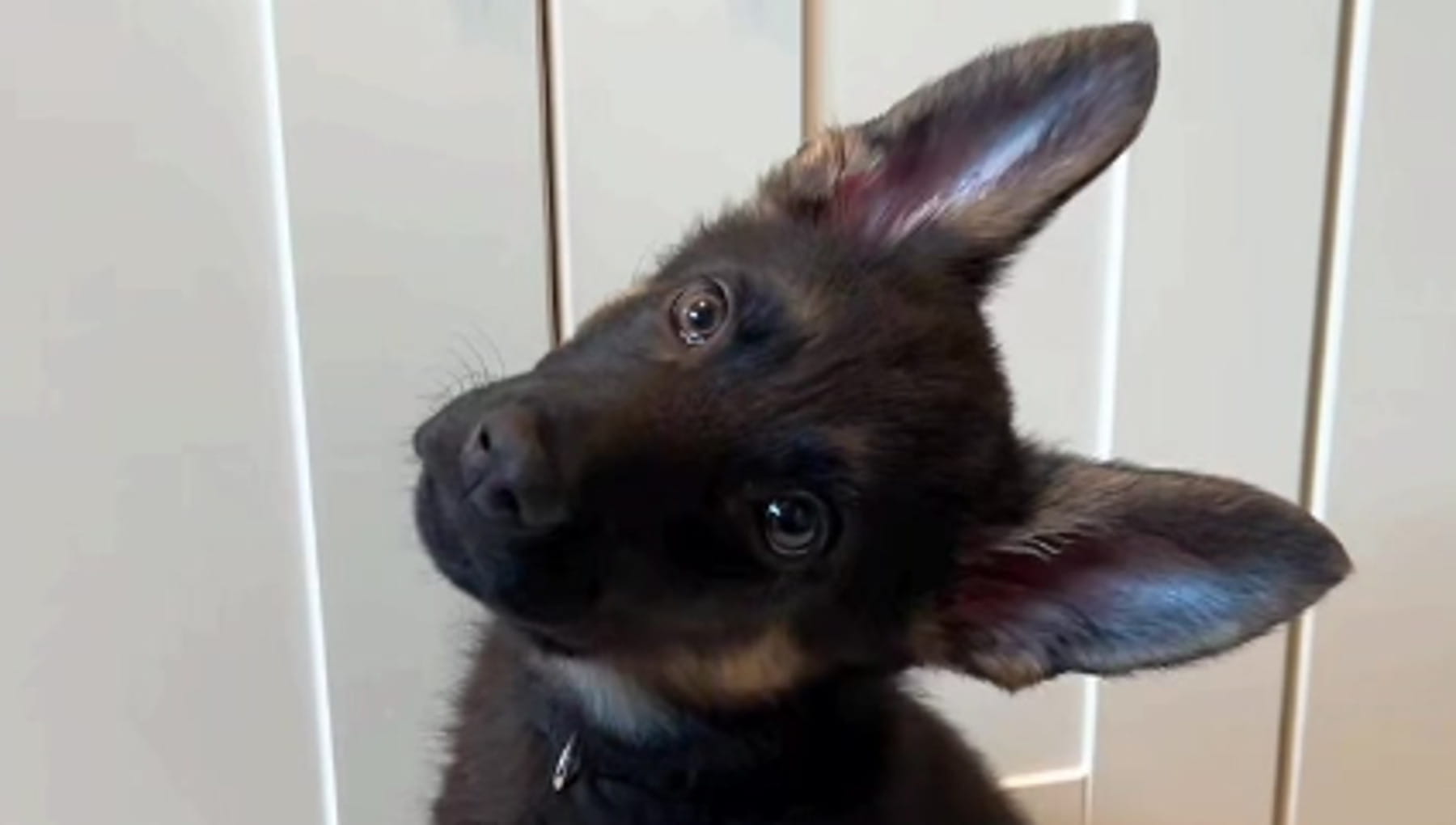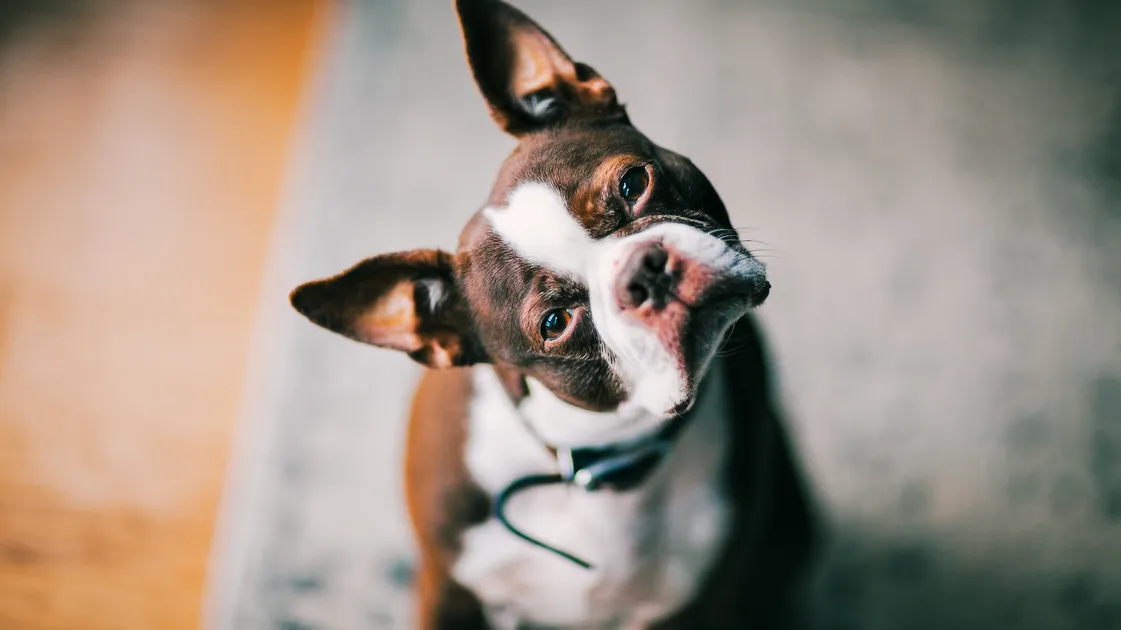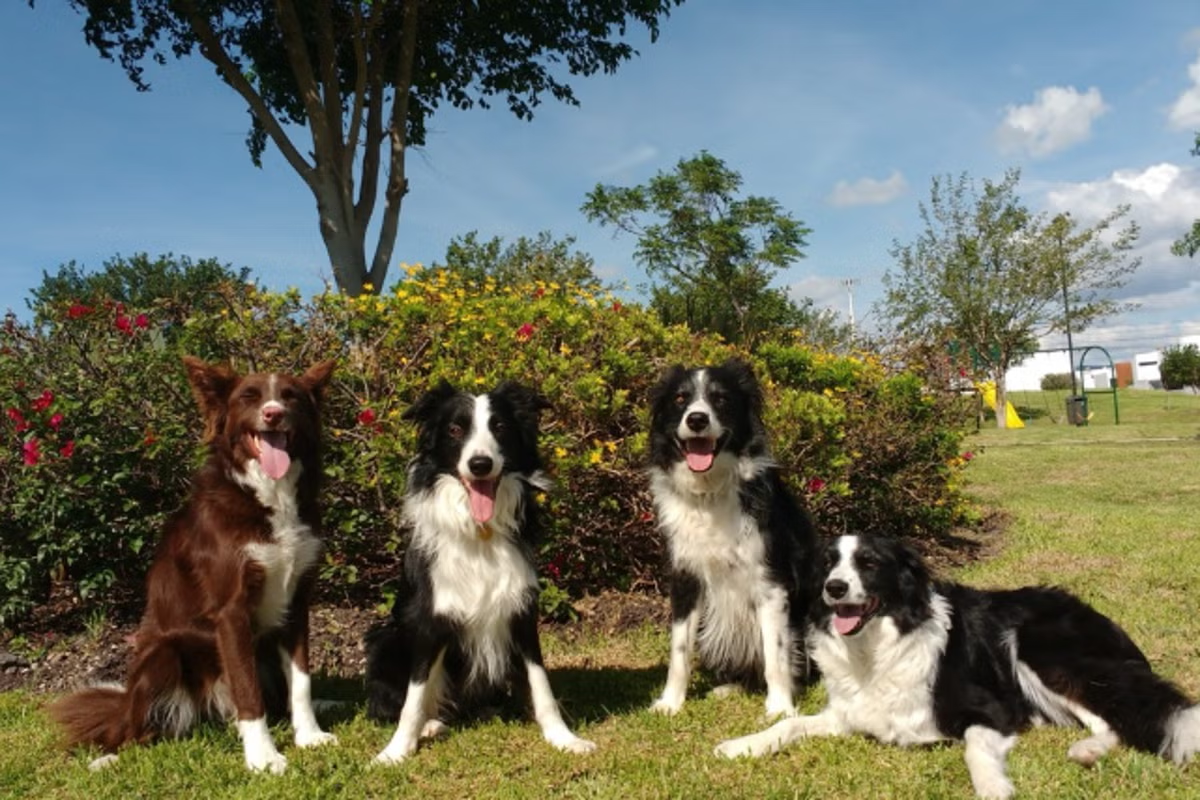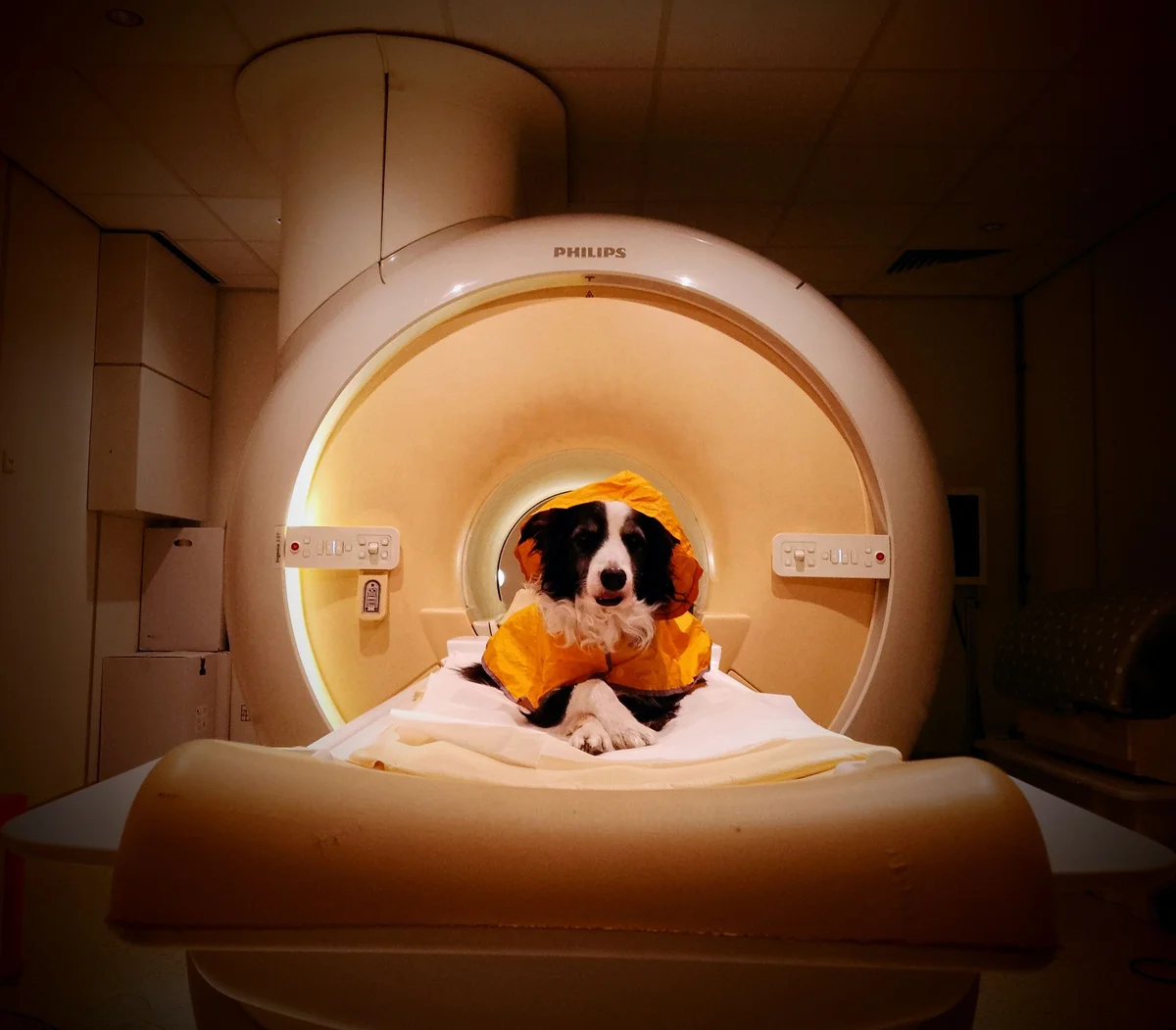
Few dog behaviors are as instantly lovable as the classic head tilt. One moment your dog is relaxed, and the next it cocks its head to one side as if carefully weighing every word you say. While the gesture often melts hearts, animal behavior experts believe it serves a much deeper purpose than simply looking cute. Dogs tilt their heads to better process sounds, locate where a voice is coming from, or pay closer attention to familiar words they have learned over time.That tiny movement offers a fascinating glimpse into how dogs experience the world. Instead of reacting immediately, many pause, listen, and gather more information before responding. It highlights the remarkable communication bond dogs have built with humans over thousands of years.Although researchers are still exploring every reason behind this behavior, one thing is becoming increasingly clear: the head tilt reflects curiosity, focus, and a desire to understand. The next time your dog gives you that unforgettable look, it may be showing just how closely it is paying attention.Why do dogs tilt their heads when you talk to them?Most dogs tilt their heads during conversations that include familiar words like "walk," "treat," "outside," or their own name. They are not translating human language the way people do, but they are excellent at recognizing sounds that have become meaningful through daily routines and positive experiences.Why do dogs tilt their heads when you talk? Scientists say this cute habit reveals surprising intelligence and remarkable listening skillsBehavior researchers believe the movement helps some dogs focus more carefully on what they hear. By slightly changing the position of their head, they may improve how sound reaches each ear, making it easier to identify both the direction and subtle differences in a person's voice.Real scientific findingsThey may be processing familiar words. Research found that some dogs tilt their heads more often after hearing words they recognize, suggesting they are retrieving memories linked to objects or commands.They listen more carefully. A head tilt may help dogs focus on the source, tone, and meaning of your voice.They can see your face better. Especially in long-snouted breeds, tilting the head may improve their view of your facial expressions and mouth movements.It is similar to how people instinctively lean closer when trying to catch an important detail.ALSO READ: Do cats truly love their owners or are they simply forming survival-based emotional bonds that humans constantly misinterpret as affection?The gesture may also improve visual communication. Dogs pay close attention to facial expressions, eye contact, and body language. For some breeds, especially those with longer muzzles, tilting the head may simply create a clearer view of a person's face, allowing them to combine visual clues with spoken words.Could a head tilt mean your dog is thinking?The head tilt is often linked to concentration rather than confusion. Some studies suggest that dogs known for learning the names of toys or objects tend to tilt their heads more frequently when asked to identify something familiar. Researchers believe the movement may occur while the dog is recalling information or matching a word with a memory.Why Do Dogs Tilt Their Heads? The Surprising Meaning Behind This Adorable HabitThat does not mean every dog uses the behavior in the same way. Some rarely tilt their heads despite being highly intelligent and responsive. Every dog has its own personality, learning style, and communication habits, shaped by breed, experience, and individual temperament.Instead of judging intelligence by a single gesture, experts recommend looking at the dog's complete body language. Relaxed ears, focused eyes, steady attention, and calm posture often reveal just as much about what the animal is thinking as the famous head tilt itself.What can this adorable habit teach us about communication?Perhaps the most meaningful part of the dog head tilt is the lesson it quietly delivers. Before responding, many dogs stop, observe, and listen. They gather information before deciding what to do next. In a world filled with constant distractions and quick reactions, that simple behavior feels surprisingly relevant.Dogs have spent thousands of years adapting to life alongside humans. They watch our expressions, notice changes in our voices, and learn routines that help them understand what comes next. The head tilt is one visible sign of that extraordinary partnership built on trust, observation, and shared communication.Best takeaways for ownersUse clear, consistent words and reward your dog when it responds correctly.Pay attention if a head tilt is persistent on one side or is accompanied by balance problems or ear discomfort, as it could indicate a medical issue rather than normal behavior.Scientists continue to study exactly why dogs tilt their heads, and there is unlikely to be one explanation that fits every dog. Hearing, vision, memory, curiosity, and emotional connection probably all play a role. What remains undeniable is that this charming habit reminds us that real understanding often begins with careful attention.The next time your dog tilts its head while listening to you, it may be doing far more than looking adorable—it may be showing one of the most thoughtful forms of communication found anywhere in the animal world.
Why do dogs tilt their heads when you talk? Scientists say this cute habit reveals surprising intelligence and remarkable listening skills
Dogs tilt their heads for more than an adorable photo. The behavior reveals how dogs process human speech, recognize familiar words, and focus on important sounds. Animal behavior experts believe many dogs adjust their head position to hear voices more clearly while reading facial expressions at the same time. This small habit reflects canine intelligence, attention, and communication.
842 words~4 min read