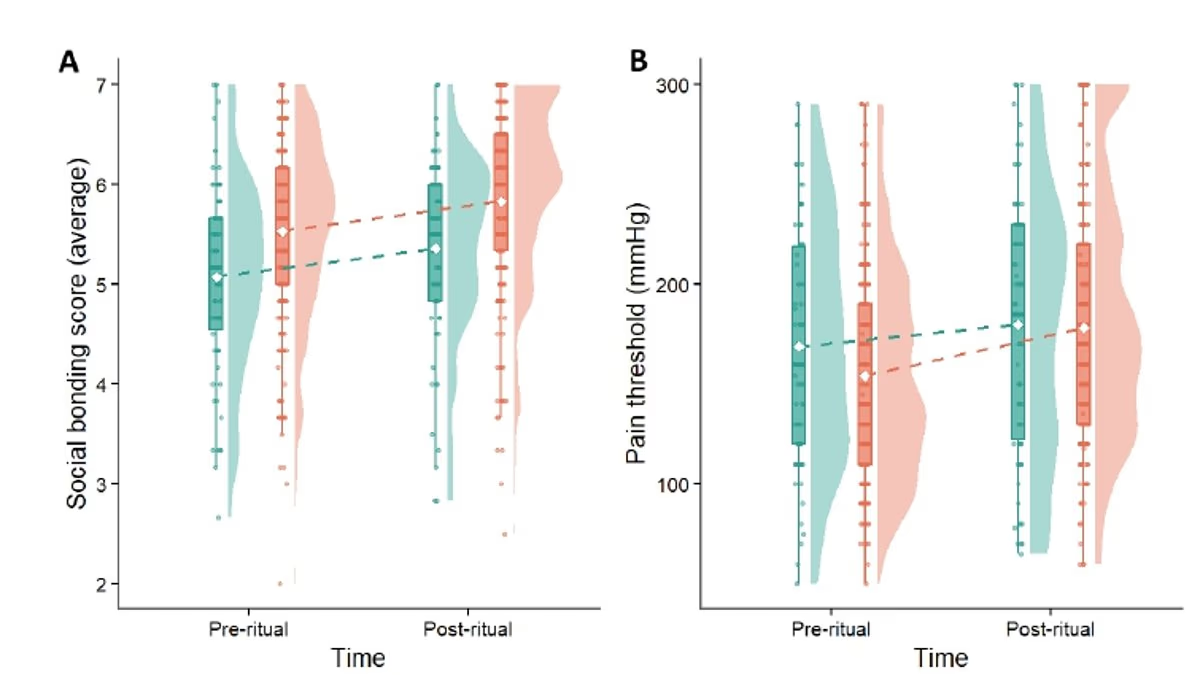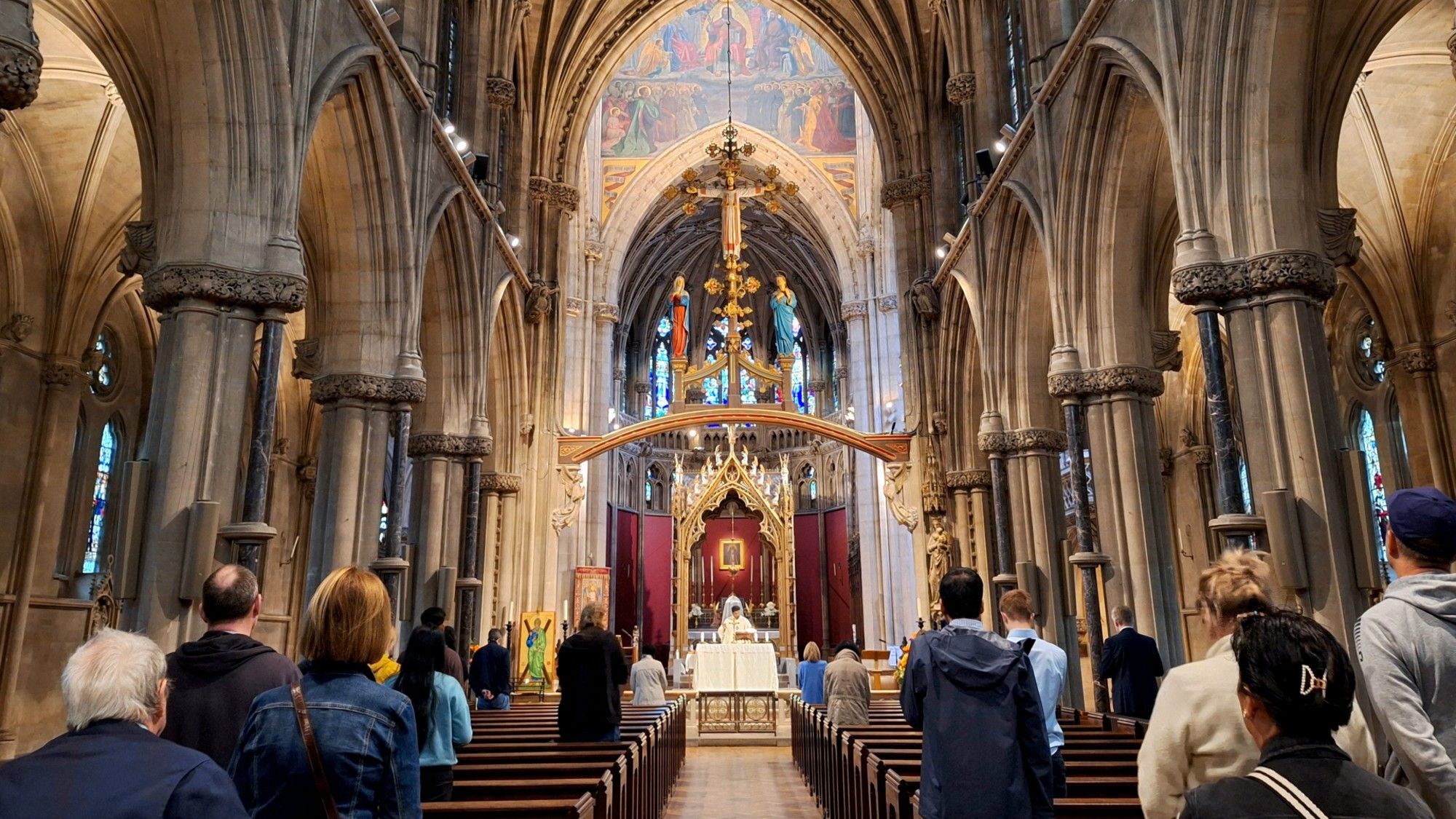
Karl Marx famously described religion as the opium of the people. Now, a study has shown that going to church has a similar effect on the body to morphine. Researchers from Oxford Brookes University asked 265 people in the UK and Brazil how close they felt to other worshippers before and after 24 religious events – ranging from Catholic and Baptist services to Afro-Brazilian rituals. The participants were also given a standard pain-threshold test to help assess the activation of the brain’s “mu-opioid” system, the neural pathway responsible for the body’s response to pain, reward and addiction. Its receptors can be activated by external opioids such as morphine, but also natural ones – the endorphins produced by the brain to relieve pain and stress. The results showed that, after the ritual, the participants felt more connected to one another, and more able to tolerate pain. This doesn’t mean that sermons are sedating people, said the team. Instead, these events may have developed to nurture feelings of closeness in large groups in much the same way as social grooming does between pairs of apes.The earliest-known plague victims
Escape your echo chamber. Get the facts behind the news, plus analysis from multiple perspectives.