The Department of Government Efficiency wrapped up its formal mission on July 4, 2026, exactly 18 months after it was established by executive order on January 20, 2025. The U.S. DOGE Service Temporary Organization put a number on its work: $215 billion in estimated savings, or roughly $1,335 per federal taxpayer across an estimated 161 million filers.
What DOGE says it accomplished
The savings claim breaks down into two main buckets. Contract terminations, covering more than 13,440 agreements, account for approximately $61 billion of the total. Grant terminations, numbering more than 15,887, add roughly $49 billion more. Workforce reductions and other administrative cuts make up the remainder of the $215 billion figure.
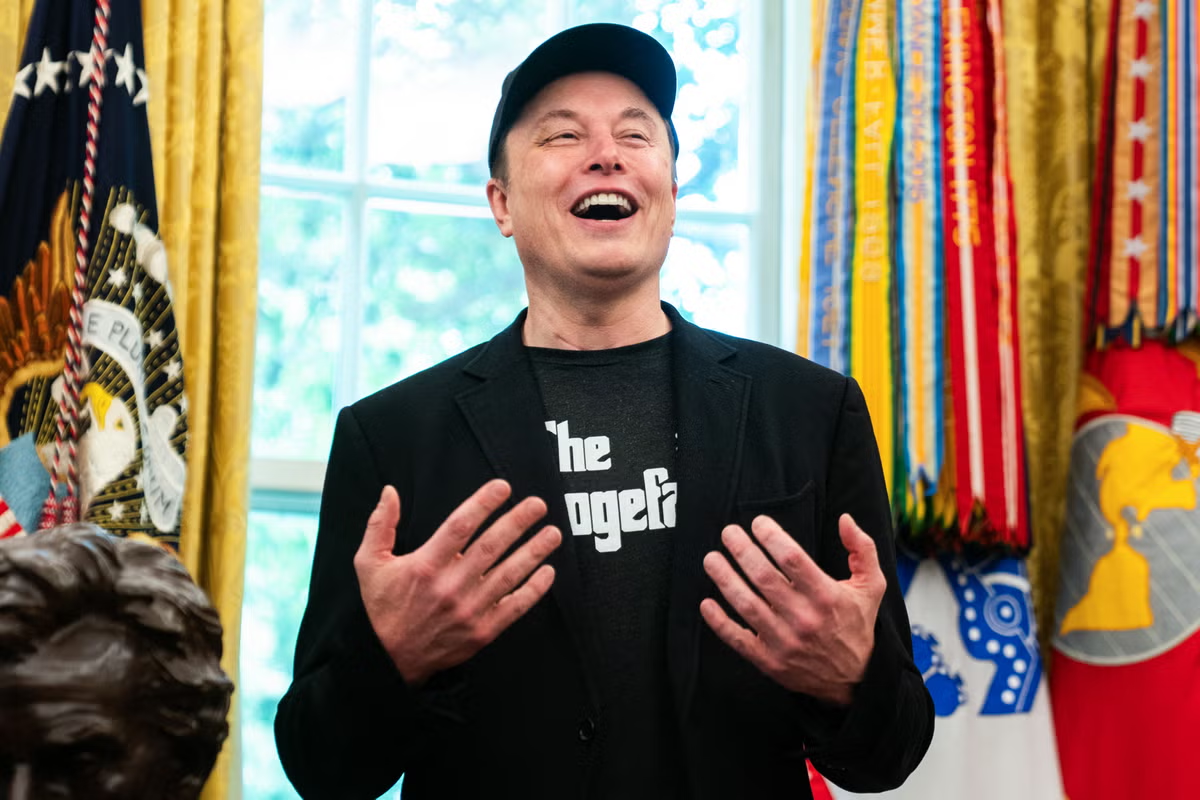
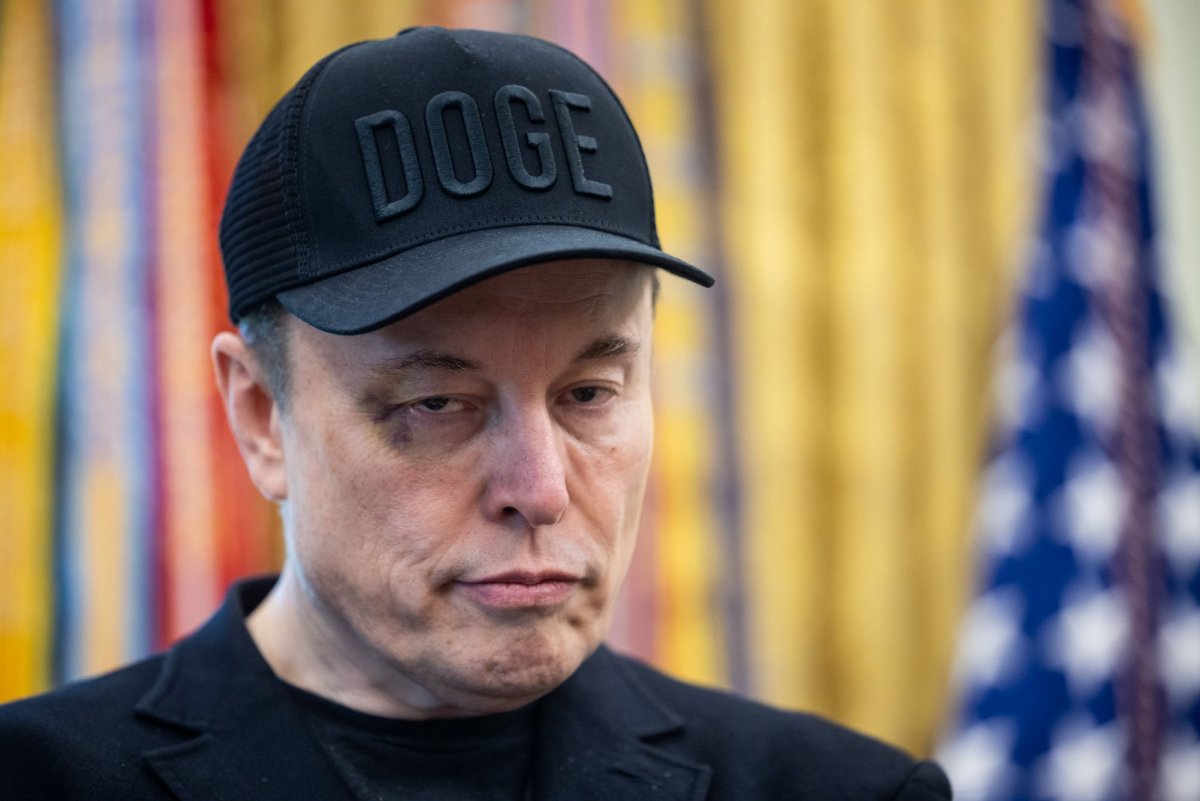
The initiative was led prominently by Elon Musk and Vivek Ramaswamy. The department’s name was itself a deliberate nod to Dogecoin, the meme-born crypto asset that Musk has publicly championed for years.
A final accounting from the Office of Management and Budget has not been released. That means the $215 billion figure is, for now, self-reported. Critics across the political spectrum have raised questions about how these numbers were calculated and whether canceled contracts represent actual cash savings or simply shifted spending.