Initial results lay the groundwork for key objective of the United States Genesis MissionQuantum-centric supercomputing algorithm takes aim at tritium extraction – a bottleneck to abundant energy and a long-standing challenge for classical computers working alone
Jul 6, 2026
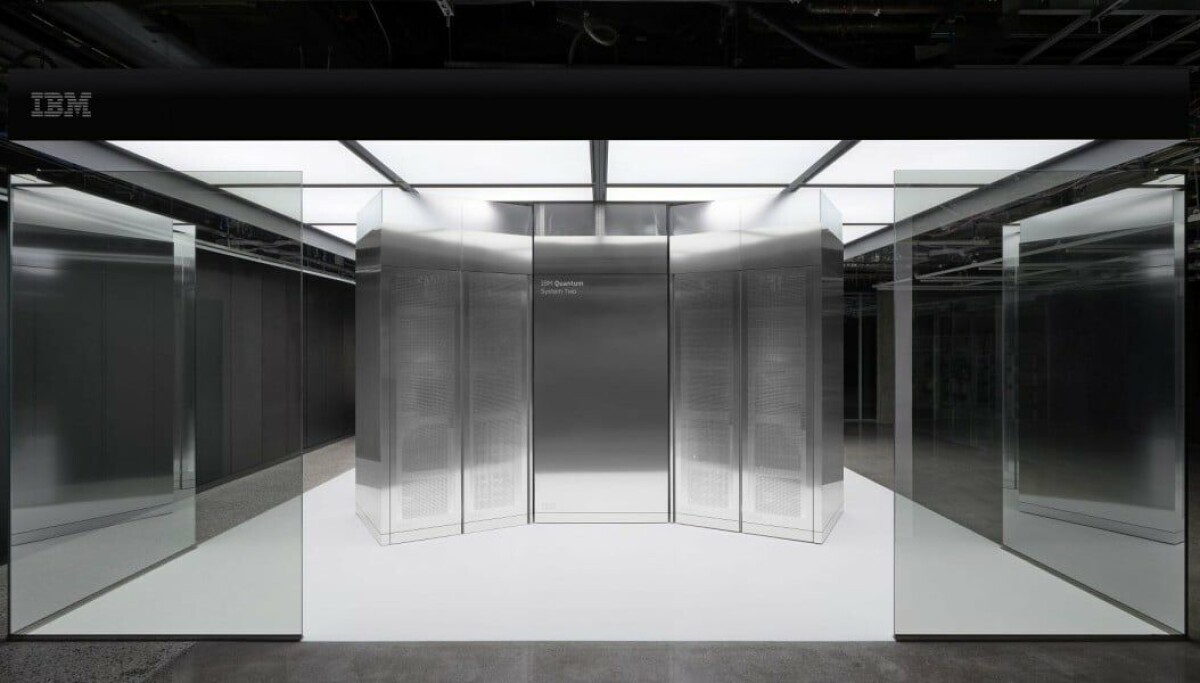
YORKTOWN HEIGHTS, New York – July 06, 2026 – A team of scientists from Oak Ridge National Laboratory (ORNL), Cleveland Clinic, and IBM (NYSE: IBM), have calculated nine molecular configurations of a promising material to produce fuel for fusion energy – the first-known instance of such computations on quantum computers.
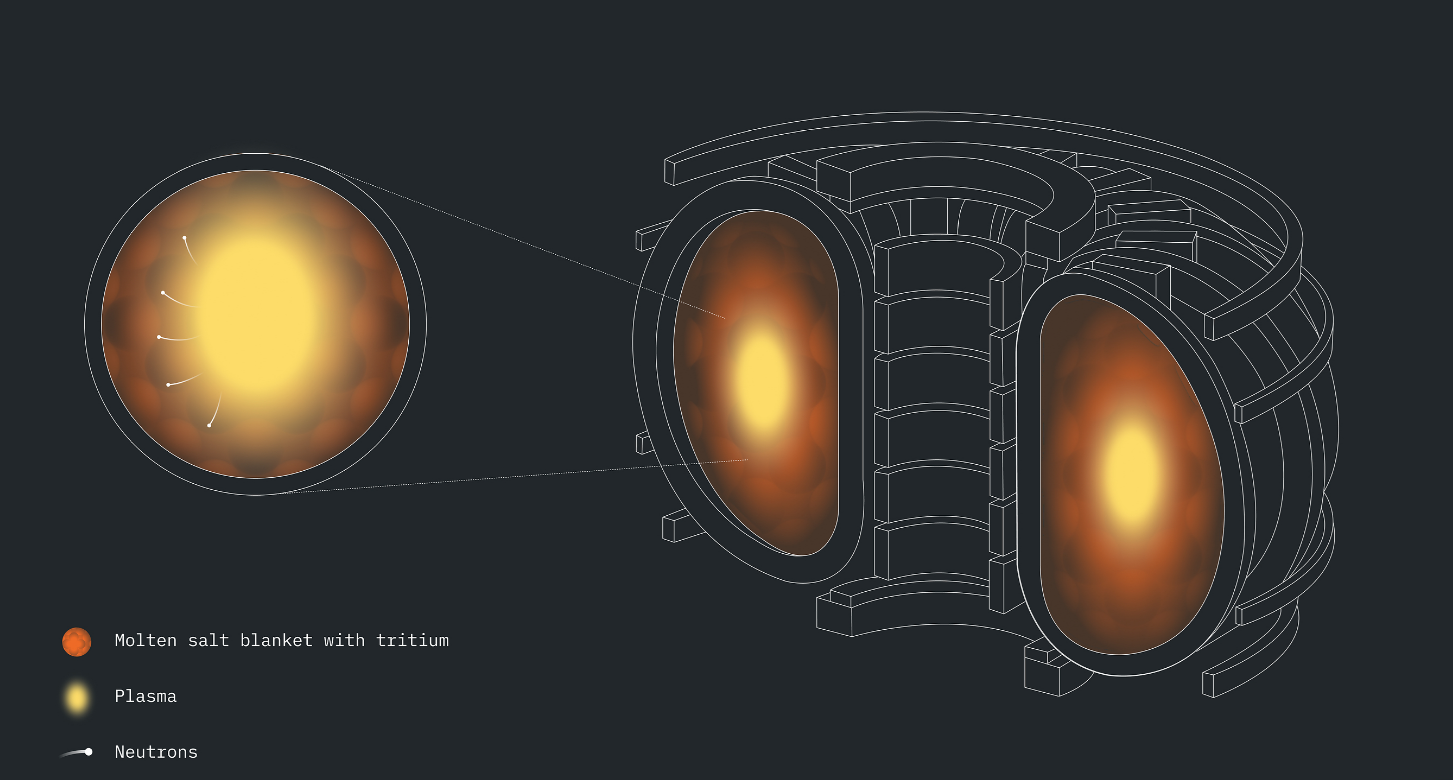
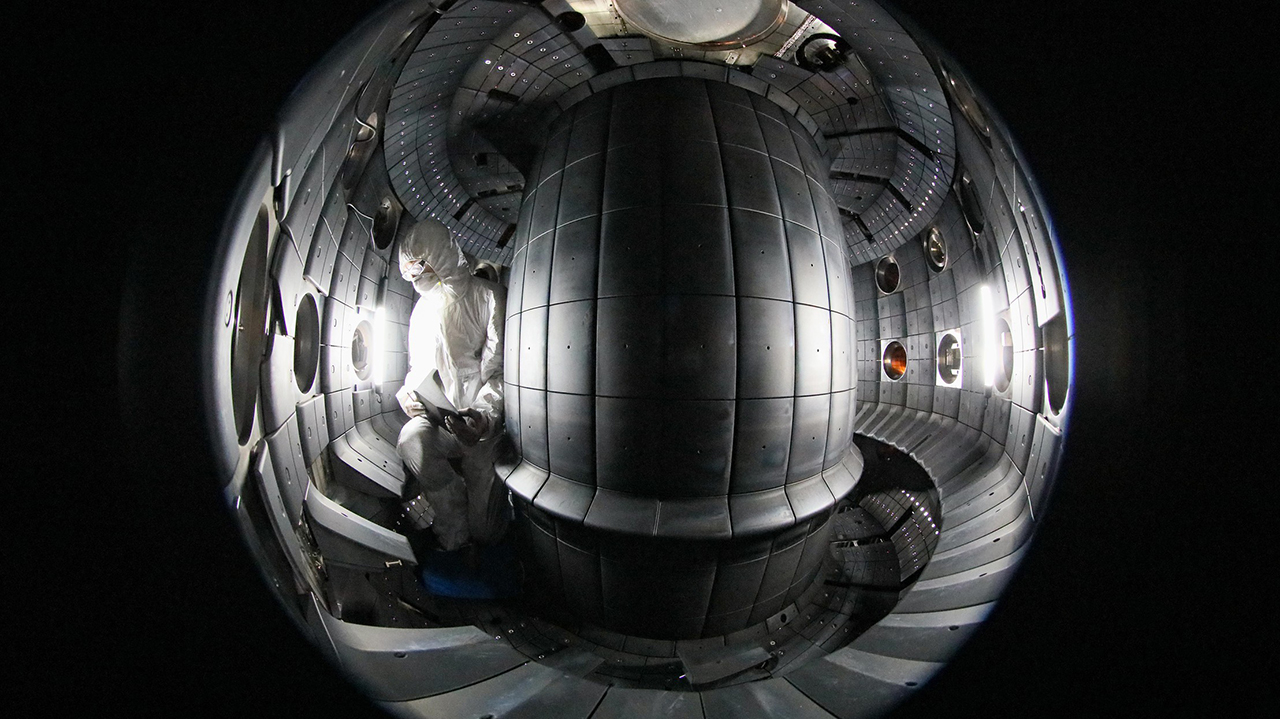
Such calculations, demonstrated in a new paper published on arXiv, are computationally challenging for classical computers to scale when working alone. They are a fundamental step towards optimizing the production and extraction of tritium – an extremely rare material in nature that is necessary to produce fusion energy with most of the proposed machines. Ensuring adequate supplies of tritium has long been a barrier to realizing the promise of clean and abundant energy from fusion power plants, and solving this issue is a key objective of the United States Department of Energy’s (DOE) Genesis Mission.