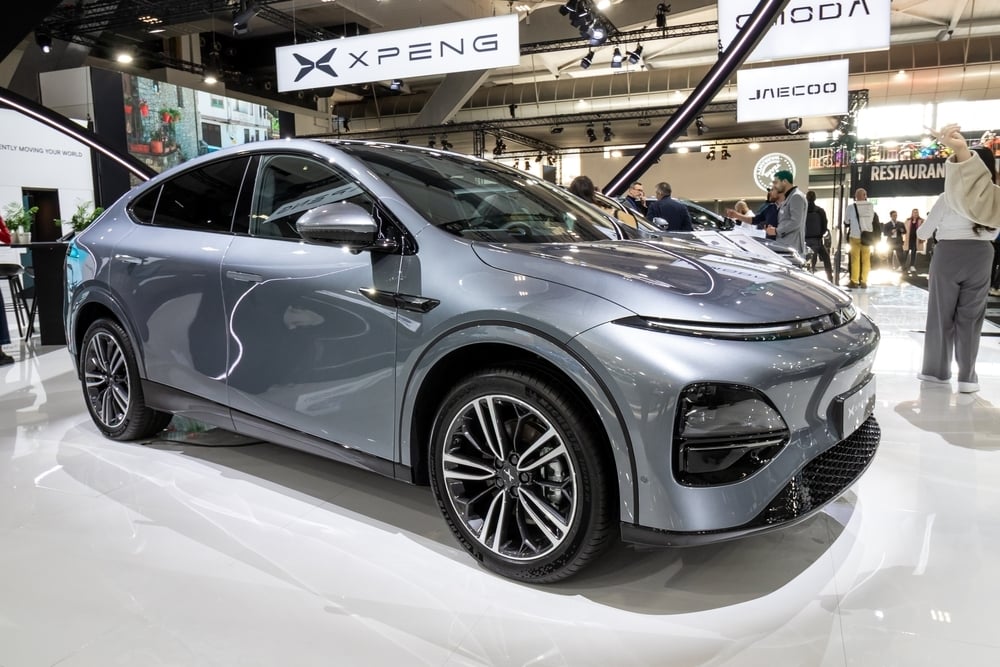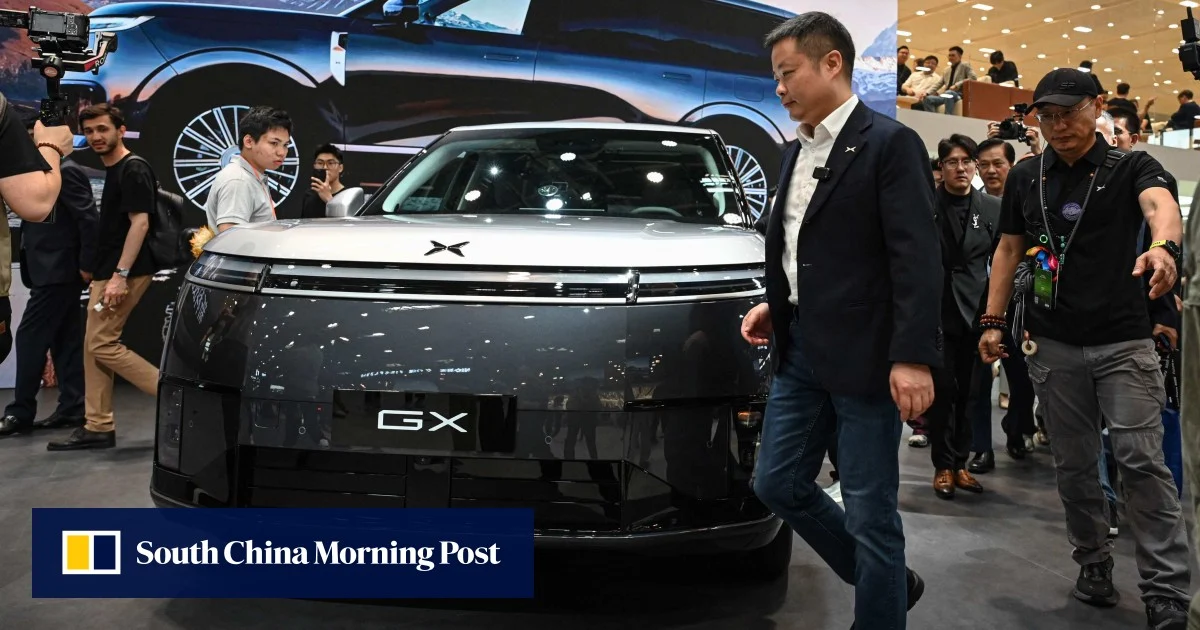
1. For years, Chinese companies in autonomous driving have taken two distinct approaches: one, represented by electric vehicle (EV) manufacturers like XPeng Inc., involves incrementally developing limited autonomous features with the goal of eventual full autonomy. The other, led by tech giants like Baidu Inc. and startups such as Pony AI Inc. and WeRide Inc., aims directly at achieving Level 4 autonomy, where vehicles handle nearly any traffic situation without human intervention. [para. 1][para. 2][para. 3]2. Recently, these paths have begun to converge. In November 2025, XPeng announced plans to launch three robotaxi models with trial operations in 2026, closely following DeepRoute.ai’s October 2025 announcement of entering the robotaxi market with a year-end launch. This shift mirrors Tesla’s move toward robotaxis, prompting renewed debate on the best strategy for developing fully autonomous vehicles: gradual accumulation of user data or purpose-built, safety-first design. [para. 4]3. The debate highlights industry divisions regarding data use and overall philosophy. Newcomers like XPeng and DeepRoute.ai argue that achieving Level 4 autonomy requires massive datasets collected from consumer vehicles—leveraging AI’s “Scaling Law” which predicts better performance with more data. Incumbents argue that the gradualist approach fails to sufficiently address safety, and only robust, purpose-built systems can win public trust. [para. 5][para. 6][para. 7][para. 8]4. The gradualists have made significant progress: XPeng and DeepRoute.ai started with regulatory road-testing and small fleets. DeepRoute.ai shifted strategy after recognizing that meaningful progress demanded mass-scale data and deliveries. As of 2025, Level 2 driving assistance — a prerequisite to higher-level autonomy — was present in 22% of China’s passenger car market (about 3.6 million vehicles). DeepRoute.ai aims to expand deliveries from 20,000 in 2024 to 200,000 in 2025, targeting 1 million deliveries by 2026 to fully benefit from scaling. Industry experts agree that fleets of over 100,000 are essential for credible Level 4 development. [para. 6][para. 7][para. 8][para. 9][para. 10][para. 11][para. 12]5. Recent breakthroughs in AI, particularly “end-to-end” models that map sensor input to driving commands, have accelerated gradualist confidence. Tesla’s 2024 unveiling of its Level 4 Cybercab and future robotaxi plans have reinforced the industry’s belief in the scalability of gradual, data-driven development. [para. 13][para. 14]6. Meanwhile, established companies like Baidu, Pony AI, and WeRide have advanced further in obtaining regulatory approvals and real-world operation. For example, Pony AI’s robotaxi fleet reached 961 vehicles in 2025, aiming for 3,000 by 2026, and achieved operational break-even on a single-vehicle basis. WeRide’s fleet grew to nearly 750 vehicles, while Baidu’s driverless fleet completed over 250,000 weekly rides as of October 2025. Their cautious, safety-first approach is borne partly out of increased liability for accidents at higher autonomy levels and is supported by hardware redundancy, such as multi-modal sensors to avoid undetected hazards. [para. 16][para. 17][para. 18][para. 19][para. 20][para. 21][para. 22][para. 23]7. One major divide is legal liability: Level 4 vehicle makers are legally responsible for accidents, while Level 2 still holds the driver accountable. This difference impacts design choices, with Level 4 incumbents adding safety features absent in lower-level systems. The gradualists must demonstrate that their approach, which depends on millions of everyday drivers to serve as safety monitors, can achieve comparable safety to incumbents’ technically redundant vehicles. [para. 23][para. 24][para. 25][para. 26]8. The industry also faces debate over Level 3 autonomy, viewed as an intermediate step where vehicles can handle all driving in restricted environments but require humans to intervene when needed, transferring liability to the manufacturer. In 2024, Chinese authorities approved pilot projects and licenses for Level 3 models, but many experts see Level 3 as commercially awkward and potentially obsolete, predicting the market will quickly leap from Level 2 to Level 4. [para. 28][para. 29][para. 30][para. 31][para. 32][para. 33][para. 34]AI generated, for reference only
In Depth: Two Lanes Merge on China’s Road to Autonomous Driving
As EV-makers armed with a vast trove of data challenge the driverless tech incumbents, their competing philosophies offer a window into the state of the industry
615 words~3 min read