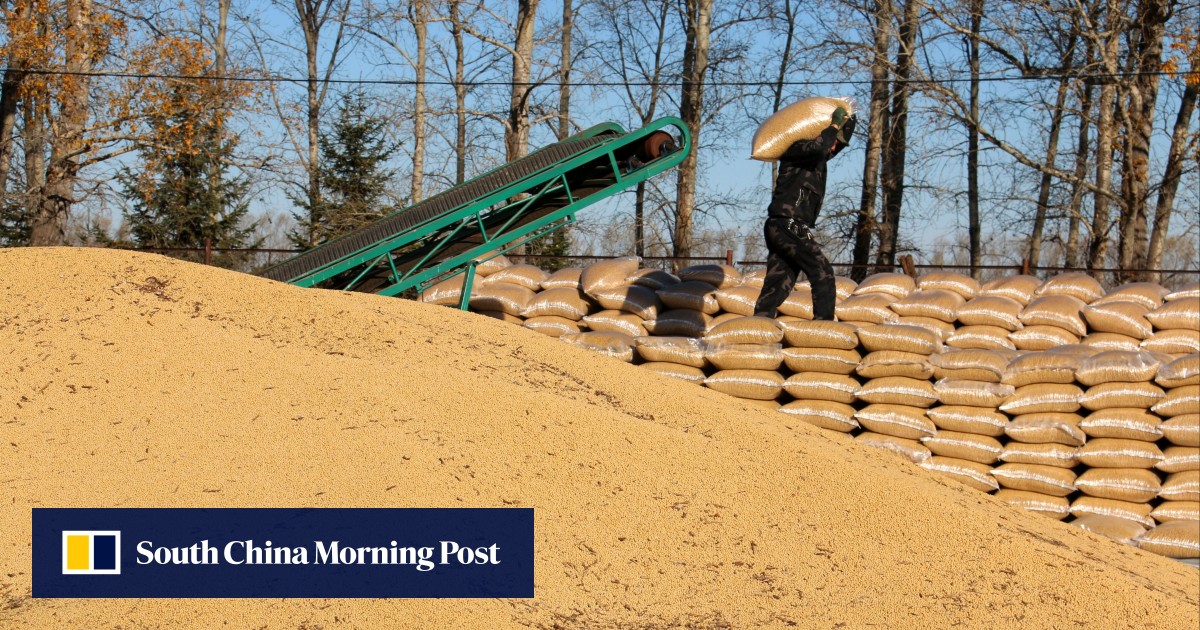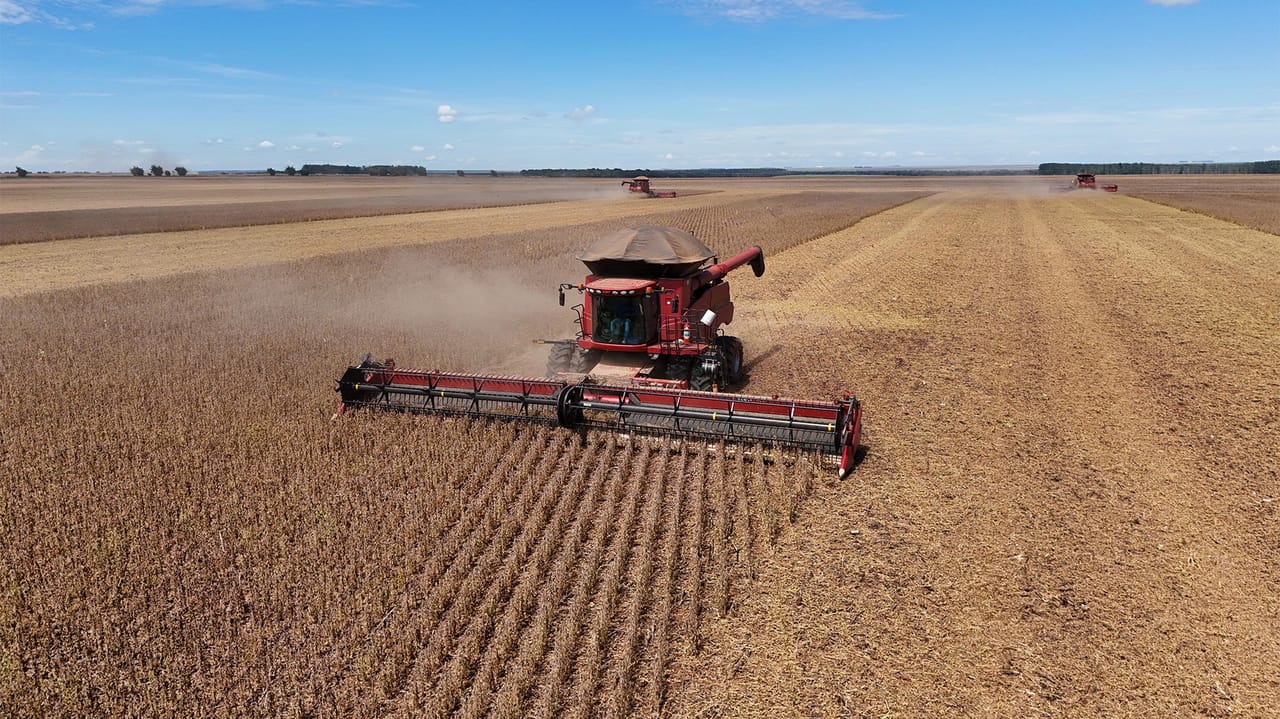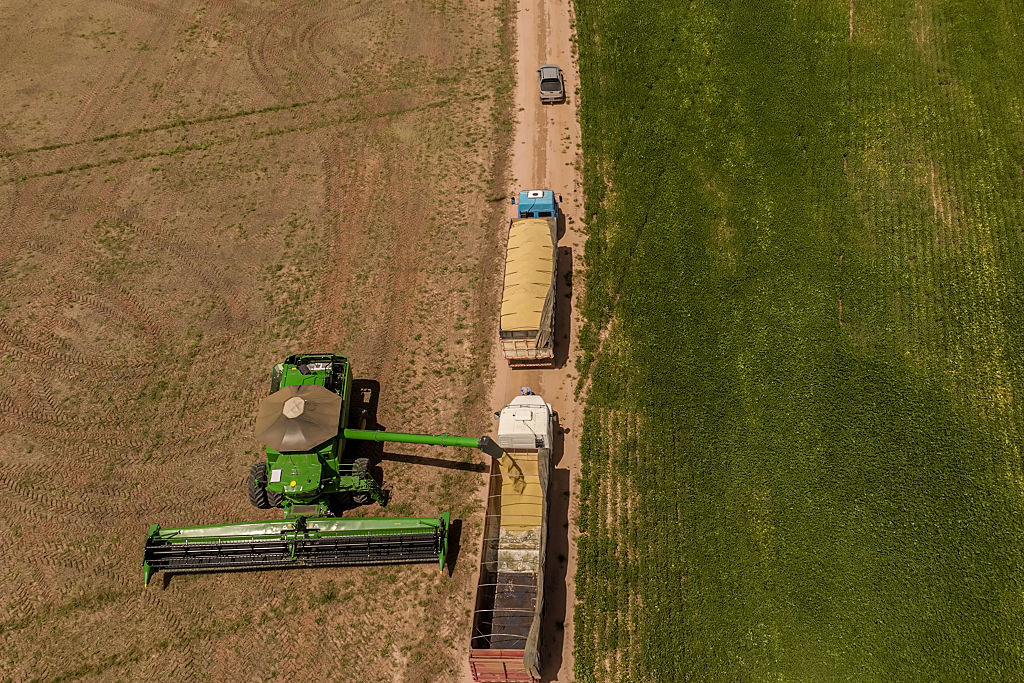
Reading Time: 4 minutesSÃO PAULO—For years, the conventional read on Brazil’s agricultural heartland has been to follow trade flows. If China buys its soy and beef, the reasoning goes, the eleven producing states must lean toward Beijing. Still, a survey about the political inclinations of the region, known as the agricultural frontier, shows that the reasoning is wrong.
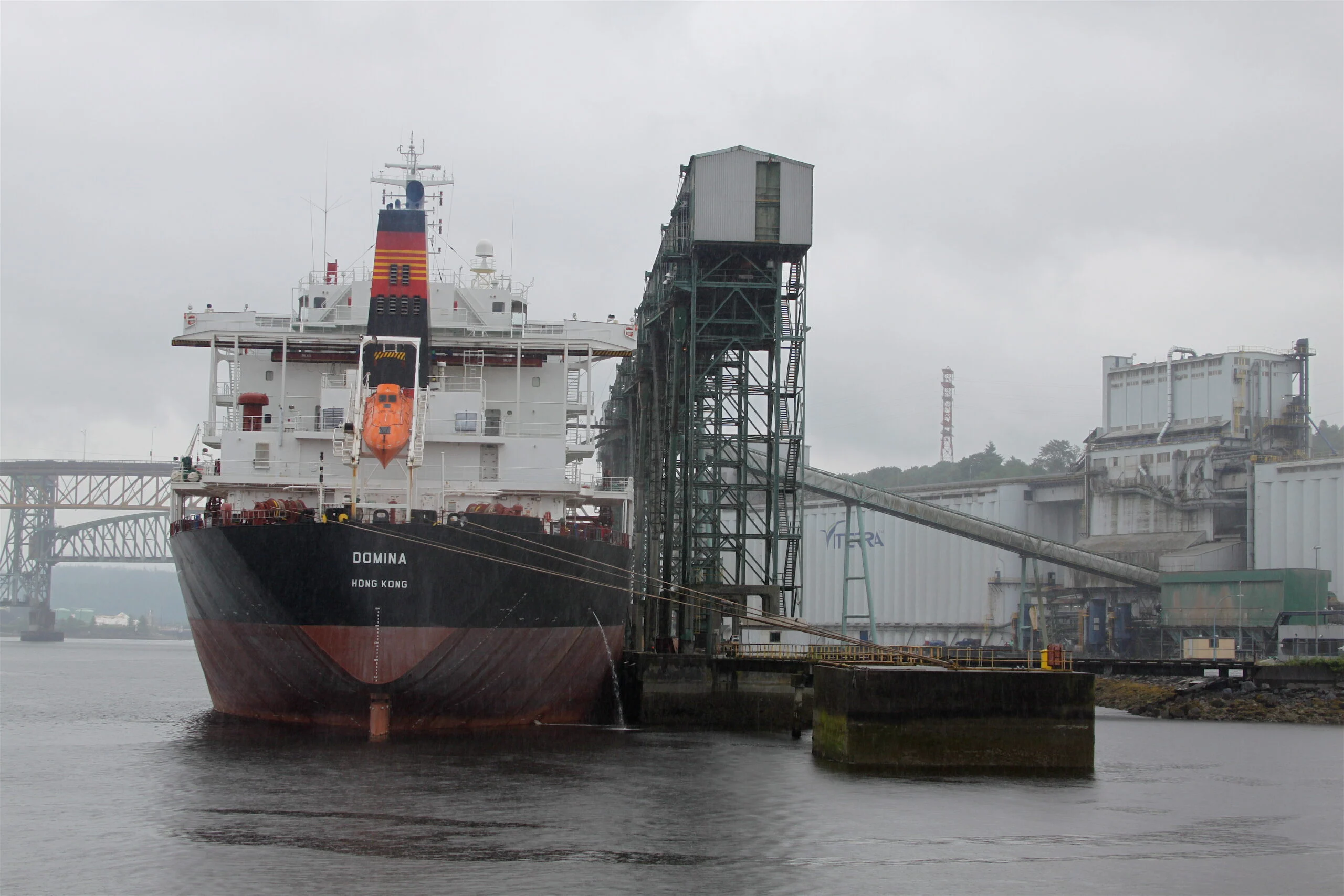
China has been Brazil’s largest trading partner since 2009, and bilateral trade reached a record high of $171 billion last year, according to the Brazil-China Business Council (CEBC). Brazil exported roughly $100 billion to the Asian giant in 2025, and the agricultural frontier contributed roughly 36% of the exports, according the Brazilian Ministry of Development, Industry, Trade and Services. The region, which spans the Midwest and northern parts of Brazil, is relevant not only for its economic weight but also for what it reveals about the nation’s political alignment.
A survey by the School of International Relations of the Getulio Vargas Foundation, an original, regionally representative, face-to-face public opinion poll of how the frontier sees the wider world, was conducted among 1,000 adults across 70 selected municipalities between late October and mid-November of last year.