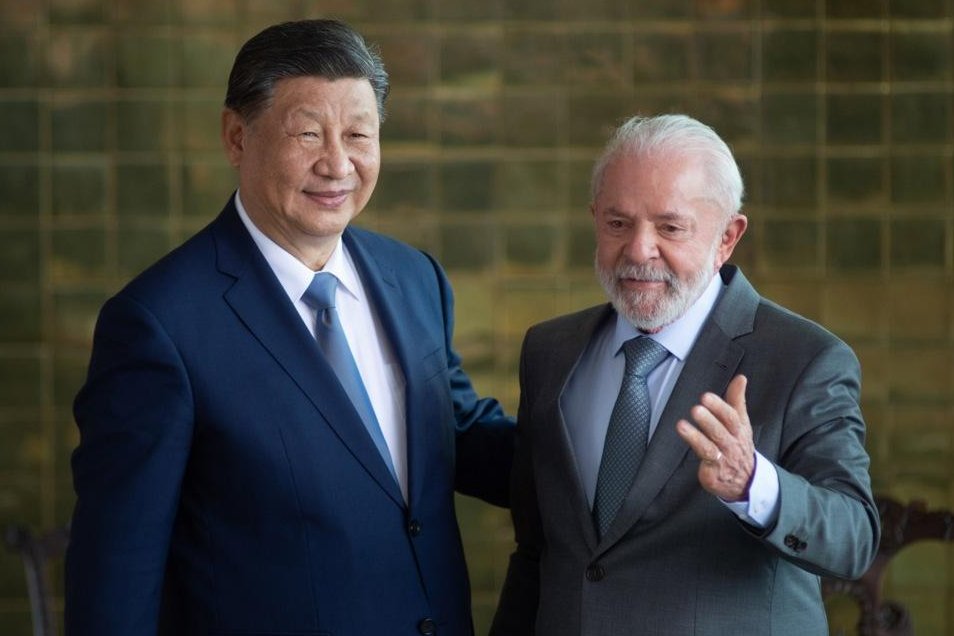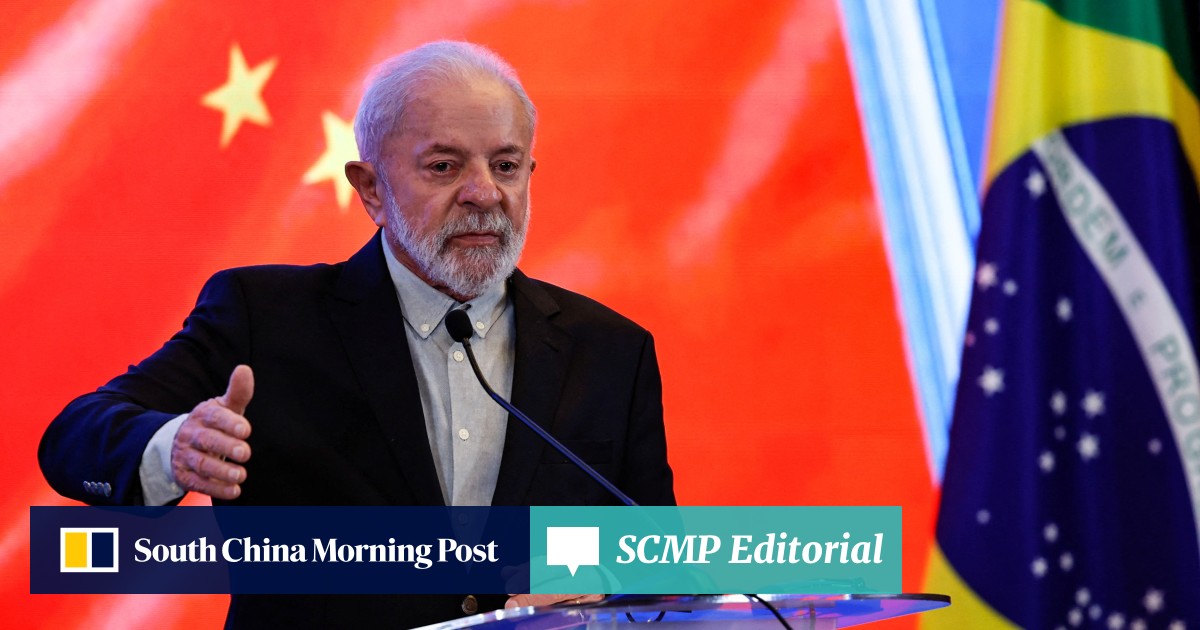
Nov. 13 (UPI) -- Brazil is deepening political and economic ties with China and Russia to reduce its dependence on the United States -- a strategy driven by new U.S. tariffs and President Luiz Inácio Lula da Silva's goal of asserting a more independent global role.
That's according to analyst R. Evan Ellis, a research professor of Latin American Studies at the U.S. Army War College Strategic Studies Institute. Brazil is pursuing "the most left-leaning foreign policy it has had in decades," marked by cooperation with powers that challenge U.S. influence in the region.
Ellis identified three main pillars behind this shift: growing military and technological cooperation with China and Russia, energy diplomacy that reduces the presence of U.S. companies, and a stronger alignment with multilateral forums such as the BRICS group, which seek to reshape the international order.
"Brazil's willingness to diversify its security partnerships beyond Washington shows a deliberate intent to gain autonomy," Ellis told UPI.
Related