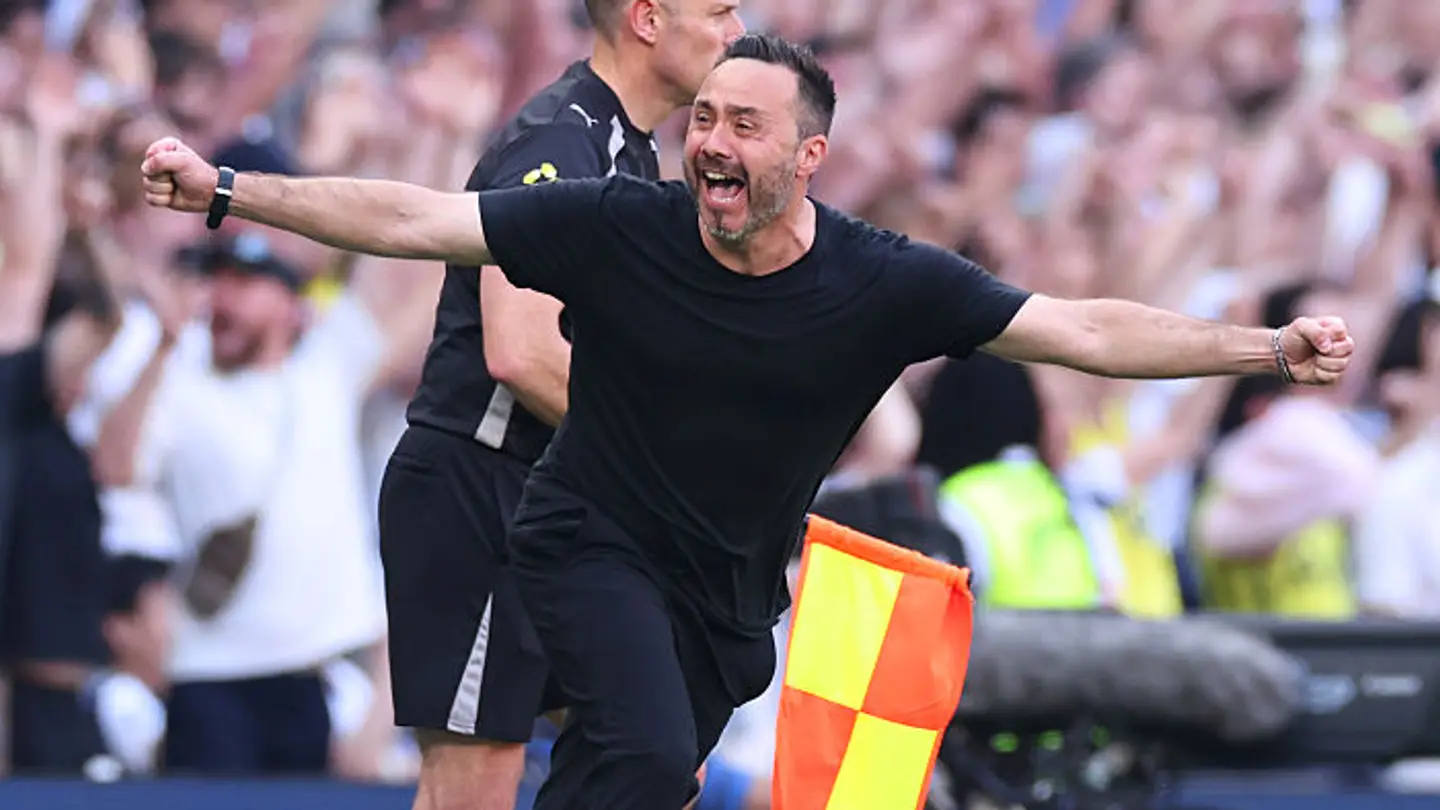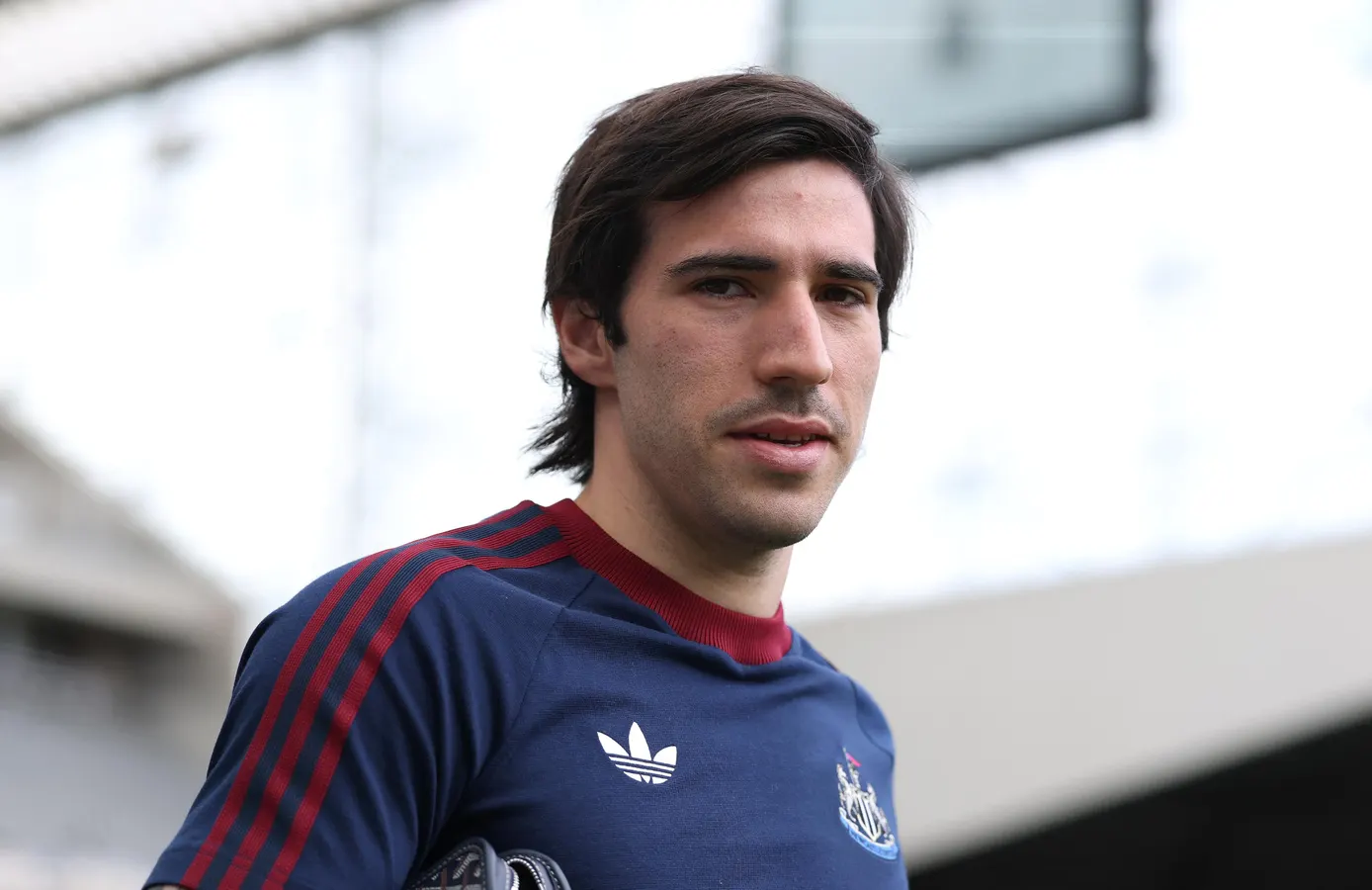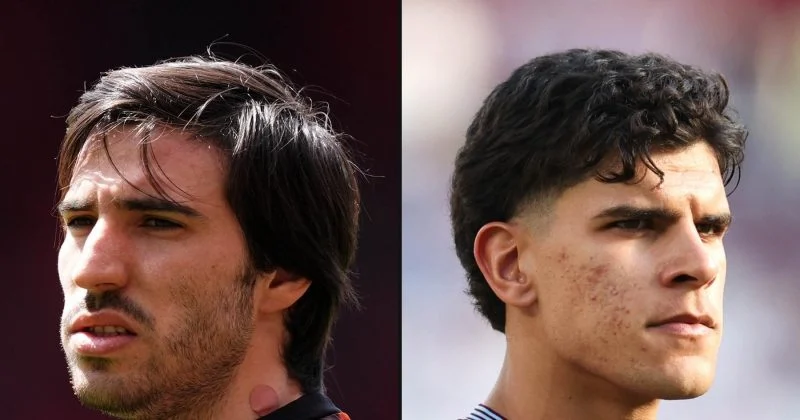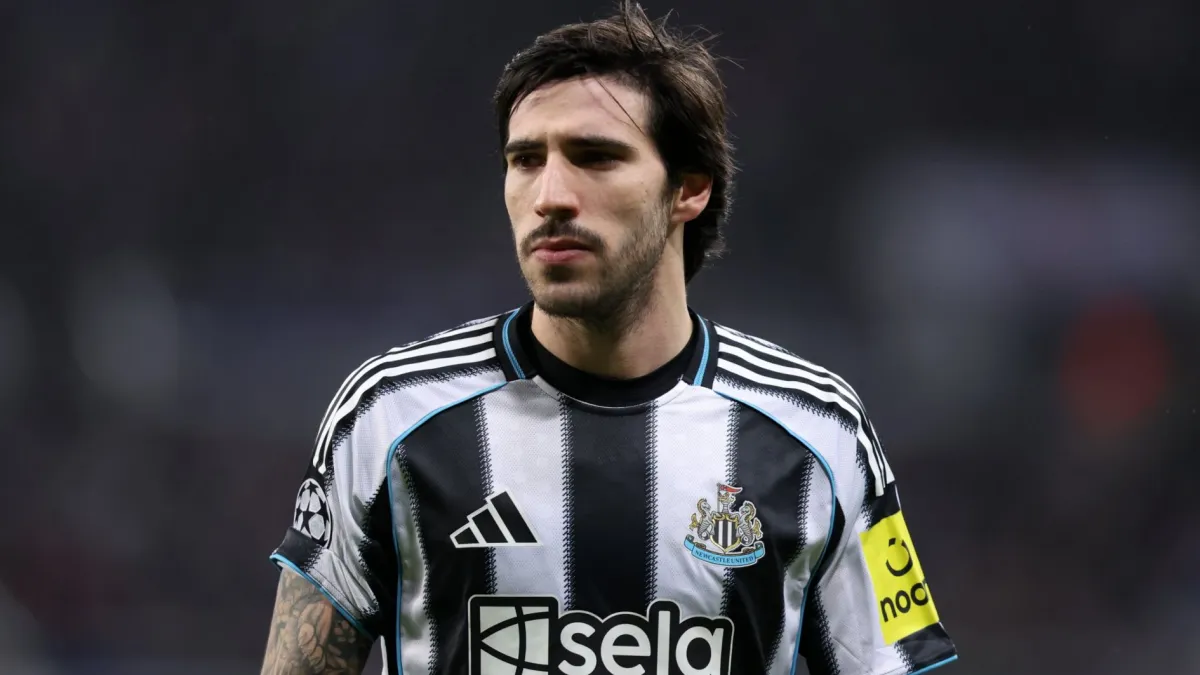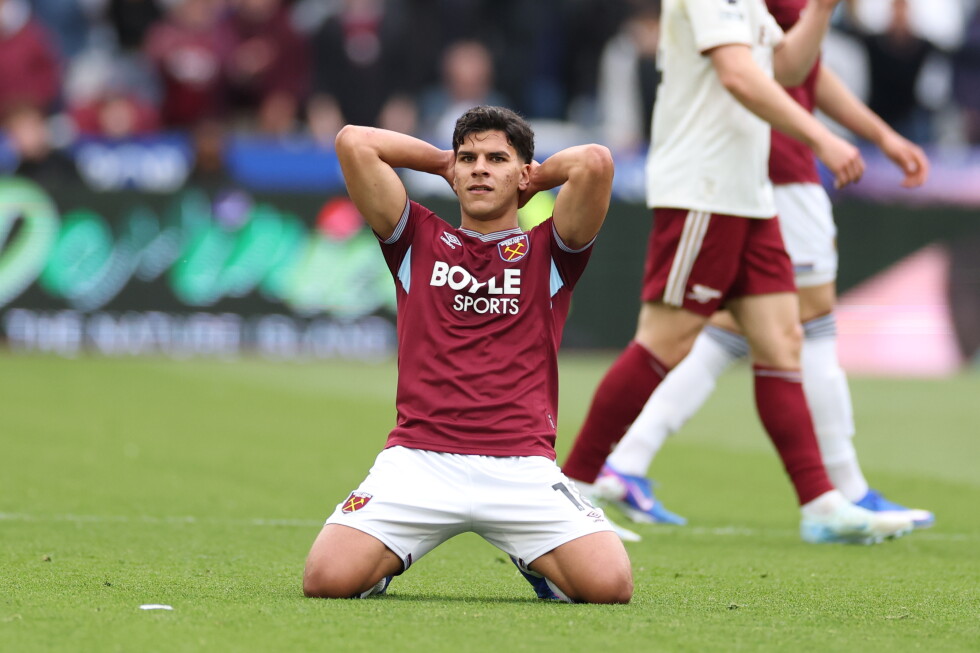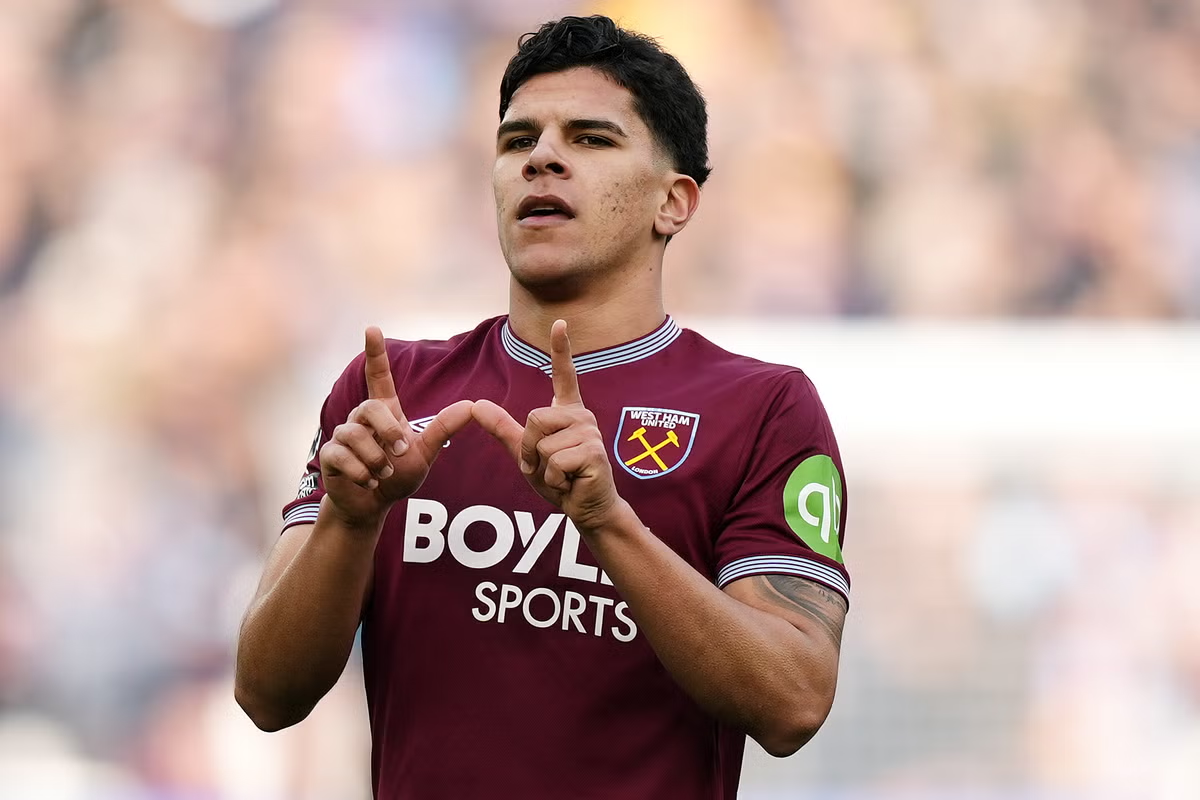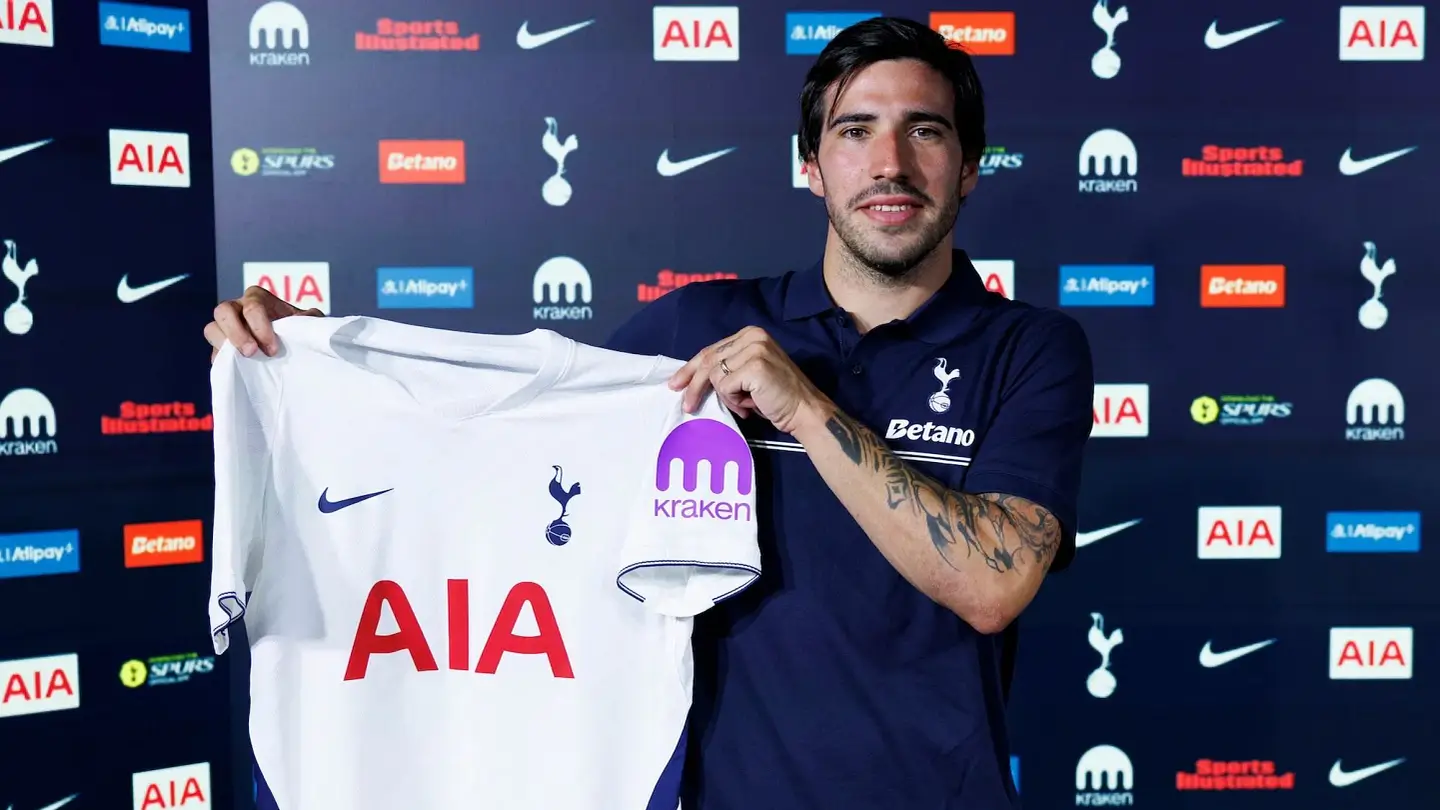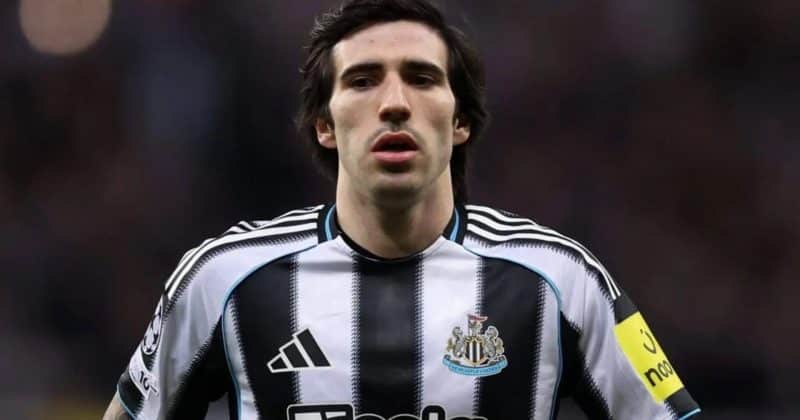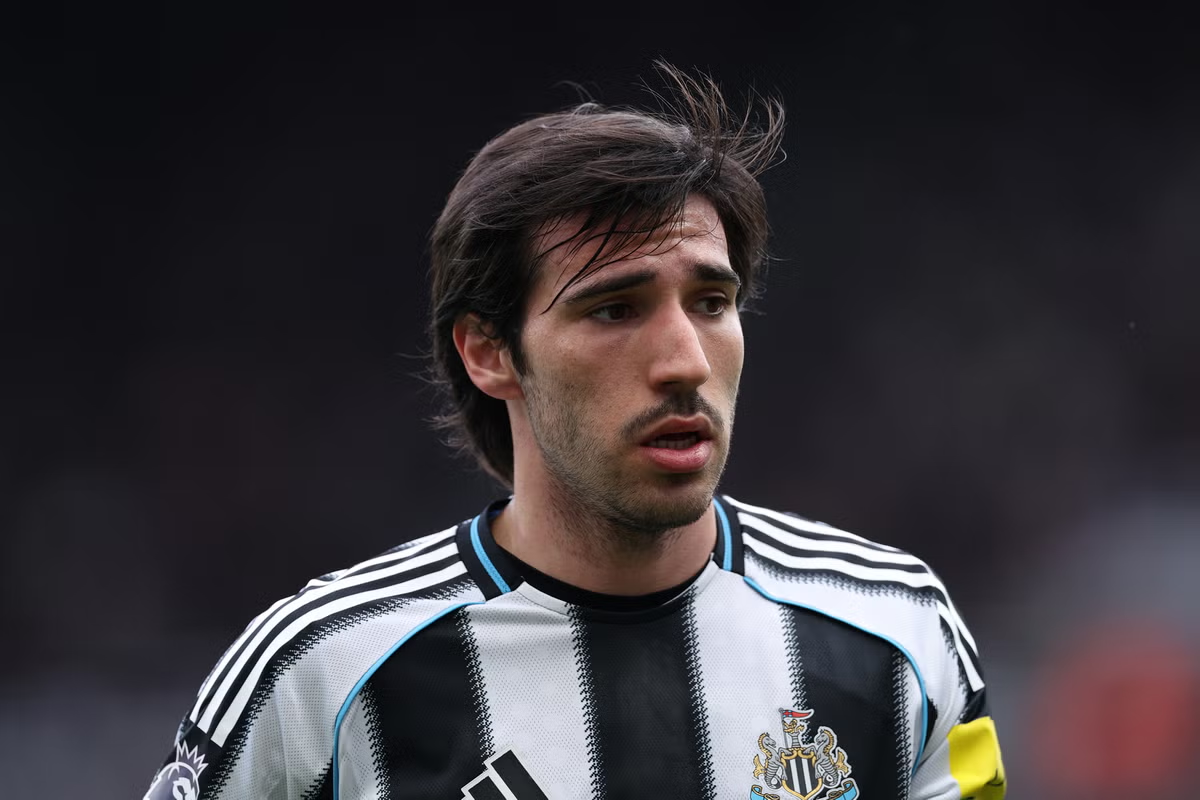
There was a time, not that long ago really, when Tottenham Hotspur were synonymous with frugality. The knock on the club, and foremost on their erstwhile chairman Daniel Levy, was that they had money but wouldn’t spend it. Cash-rich. ‘Ambition’-poor.That is a tougher argument to square now.The signing last week of Mateus Fernandes and the arrival on Monday of Sandro Tonali rubber-stamp the new reality in the blue-and-white half of north London: Tottenham are spending big. For some time, the only player they’d ever committed a guaranteed fee in excess of £50million for was Tanguy Ndombele, who joined from Lyon in 2019. But with these latest recruits, they will have spent over £50m on five separate transfers in a year.Fernandes’ £85million purchase from West Ham United smashed the club’s transfer record when it was announced on Thursday. Tonali, an initial £92.5m recruit on his way from Newcastle United, has gazumped his new team-mate in short order. If £7.5m in add-on clauses crystallise, the latter deal will make Spurs only the fifth English club to spend £100m on a player.Even by the standards of modern English football, Tottenham’s outlay is eyebrow-raising. Inside the first three weeks of the summer window, they have committed a reported £230million on three signings. Add unreported agent fees and the Premier League’s transfer levy of four per cent on every incoming transfer, and their splurge tops a quarter of a billion pounds. The club’s single-season record is £272.2m (in 2023-24).Or it was.Following the signing of defender Jan Paul van Hecke from Brighton and Hove Albion for £52million before the end of the 2025-26 accounting year, The Athletic projects Spurs’ spending on new players landed just shy of £300m last season. On a net basis, we reckon around £240m was spent, comfortably higher than the club’s previous record of £180.1m (again set in 2023-24). Mere days into July, a further £200m or so has been committed to bringing in Fernandes and Tonali.Big spending is hardly new in the Premier League, but seeing it unfold at Tottenham rather jars with the club’s recent on-pitch malaise. For a time, there was genuine concern, even expectation in some quarters, that they could be in the 2026-27 Championship. Relegation was no distant possibility; at one stage it was knocking at the door, holding a scythe.Such a calamity was avoided. But financially, there was still reason for concern.An uptick in overall Premier League prize money meant Spurs earned around £8million more from domestic distributions in 2025-26 than a season earlier, despite finishing 17th each time, but several of their peers saw far greater growth.Why Mateus Fernandes To Spurs For £85million Is Actually A BargainKaya Kaynak and Joe DevineThey’ll hope to improve considerably on those takings in 2026-27, but missing out on European football for the coming season will sharply reduce takings elsewhere.Tottenham earned an estimated £74.3million in distributions from last season’s Champions League, where they made the round of 16, and more on top from takings at the turnstiles. In 2022-23, their previous Champions League campaign, they earned £8.8m in gate receipts from four European home games. Three years on, with higher ticket prices and an extra fixture at their place, this figure will have been even higher.Those declining revenues pair with a previously shaky-looking cash position.Spurs had just £20.4million cash on hand at the end of June 2025, a near £180m reduction in two years. Servicing big transfer spending accounted for much of that, with more to come: at the same date, they owed other clubs £242.8m in net transfer payments, one of the largest such figures in football. That was before they spent a net £159m more in the market last summer, and then went again in the winter window and over recent weeks.
How are Tottenham able to spend so much on Van Hecke, Tonali and Fernandes this summer?
Spurs, previously renowned for their frugality, have spent significant fees on players already this summer
1,790 words~8 min read