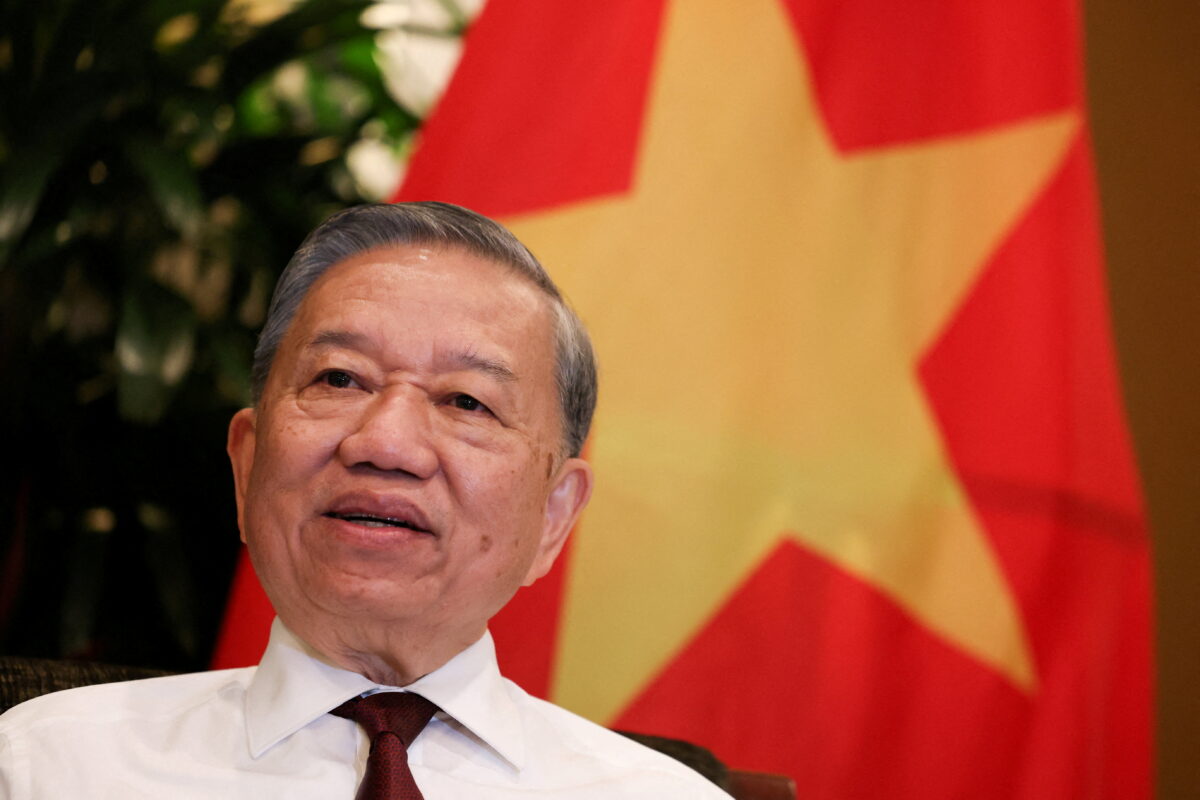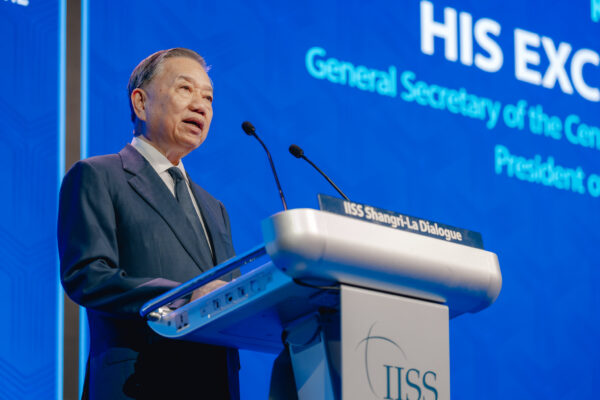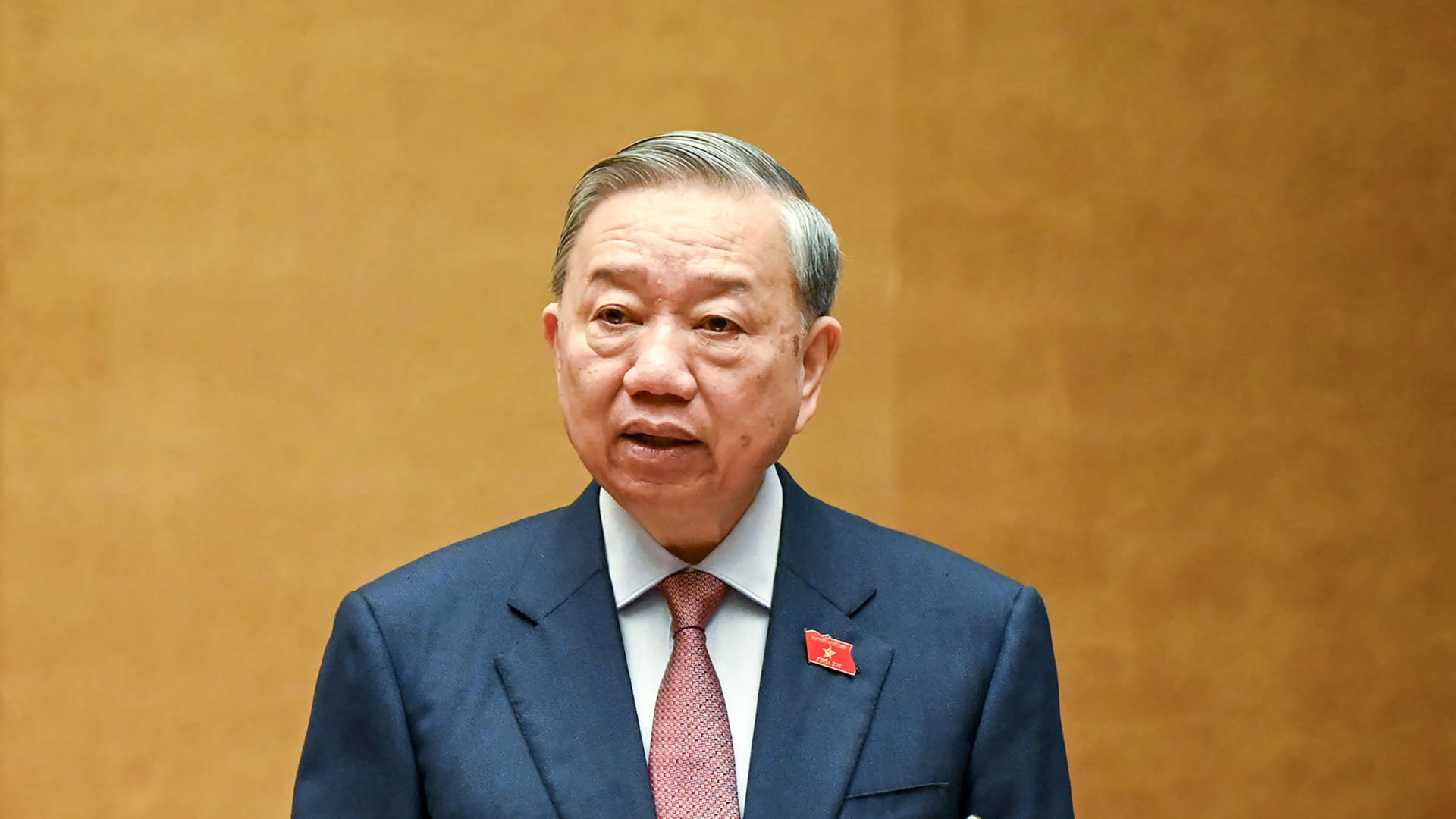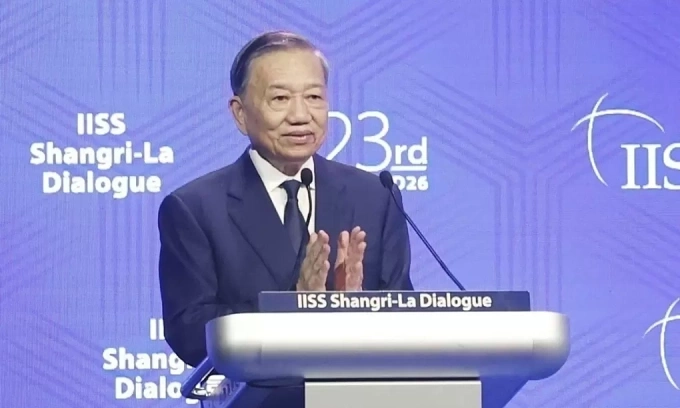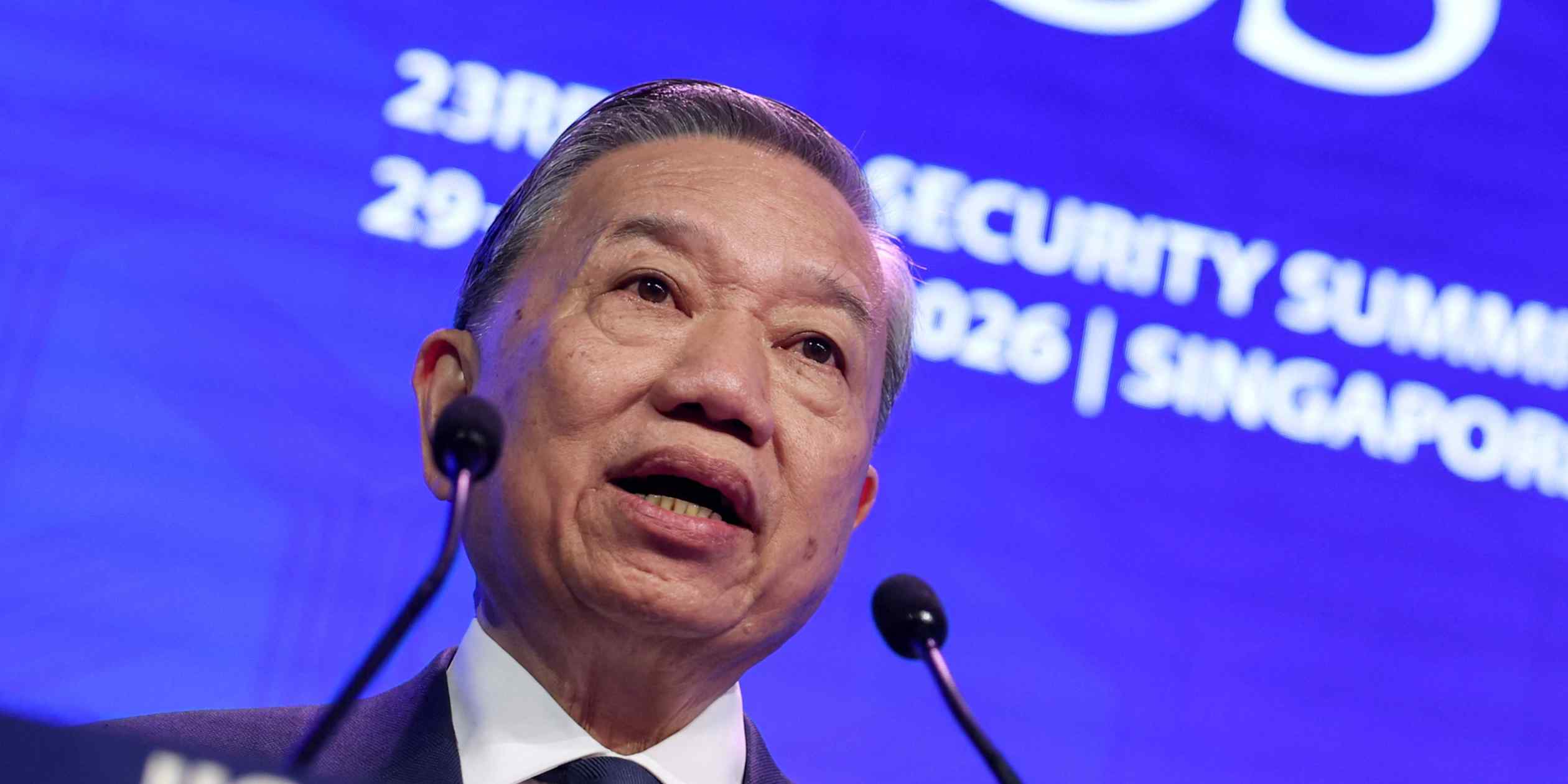
During the Q&A following his address at the 2026 Shangri-La Dialogue, To Lam, Vietnam’s president and the general secretary of the Communist Party of Vietnam (CPV), made a commitment that, despite its rising profile, Vietnam would not seek to become a “center of power” in Southeast Asia. Observers of Vietnam’s foreign policy cannot help contrasting the commitment with Vietnam’s attempt to head an Indochinese bloc comprising of Laos and Cambodia confronting the Association of Southeast Asian Nations (ASEAN) during the Cold War.
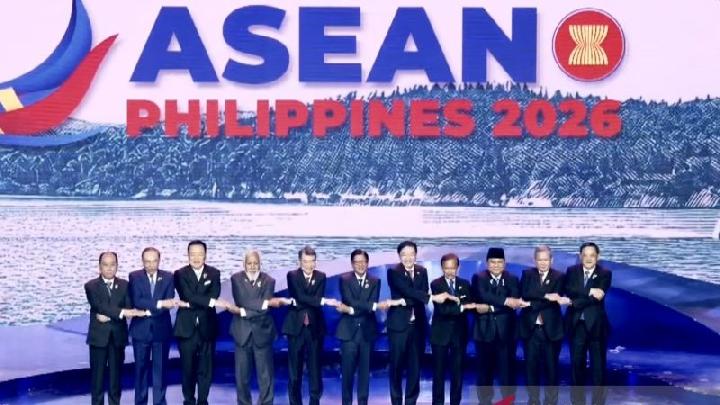
Instead of siding with a great power and weakening ASEAN then, Vietnam now affirms its Four Nos foreign policy (no military alliances, no siding with one country against another, no letting foreign powers set up military bases in Vietnam or use Vietnamese territory against another, no use or threat of use of force in international relations) and advocates for “ASEAN centrality.”
Lam’s commitment is even more noteworthy in the context of China’s growing presence in Laos and Cambodia. Modern Vietnam has perceived its two western neighbors as part of its sphere of influence since 1945, and it is worried about the possibility of a China-dominated Laos and Cambodia. However, Vietnam has renounced the use of force to keep Laos and Cambodia within its orbit under the Four Nos. Lam’s rejection of Vietnam’s role as a “center of power” seems to reinforce that notion. Still, just because Vietnam has no intention of becoming a center of power doesn’t mean it will abandon Laos and Cambodia to other powers. The strategy now is to maintain influence in Laos and Cambodia without being perceived as a regional hegemon.