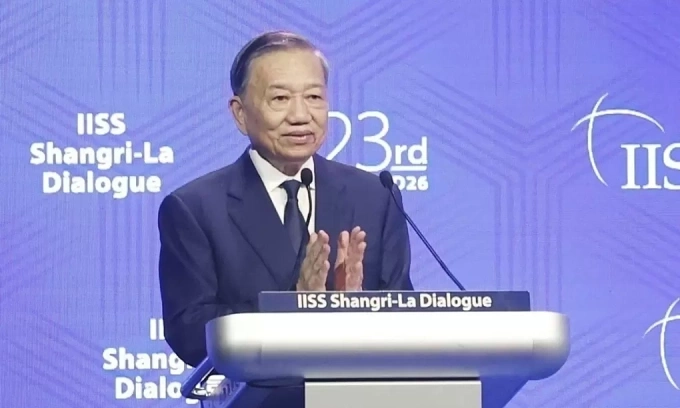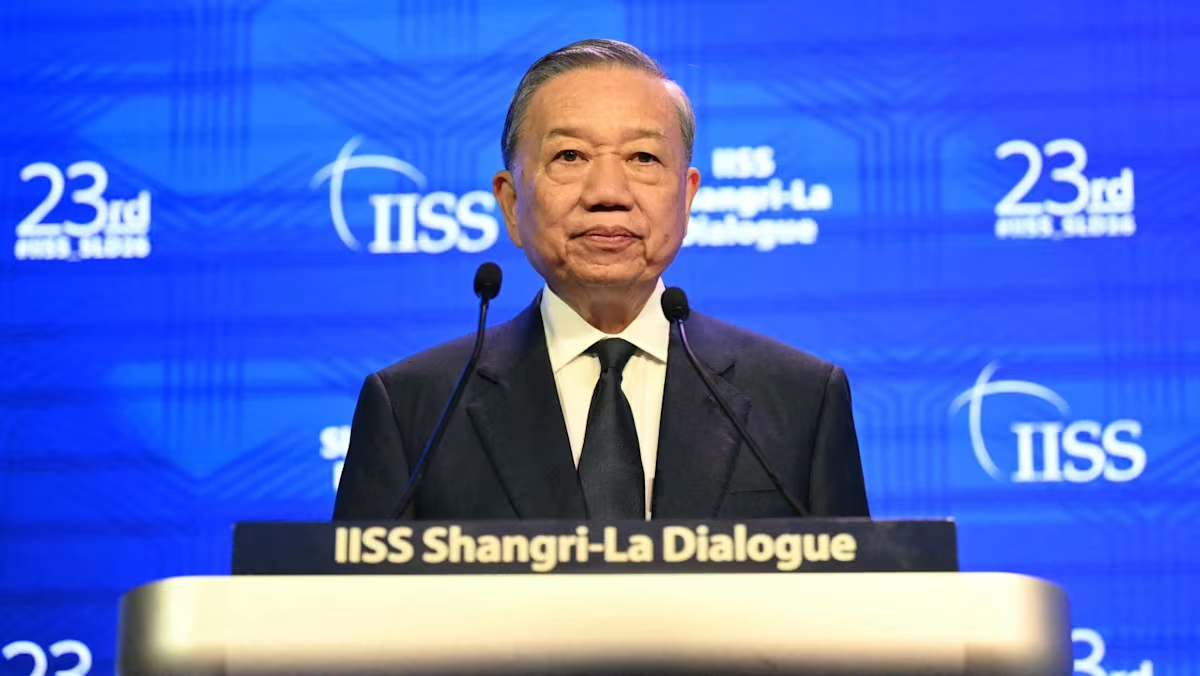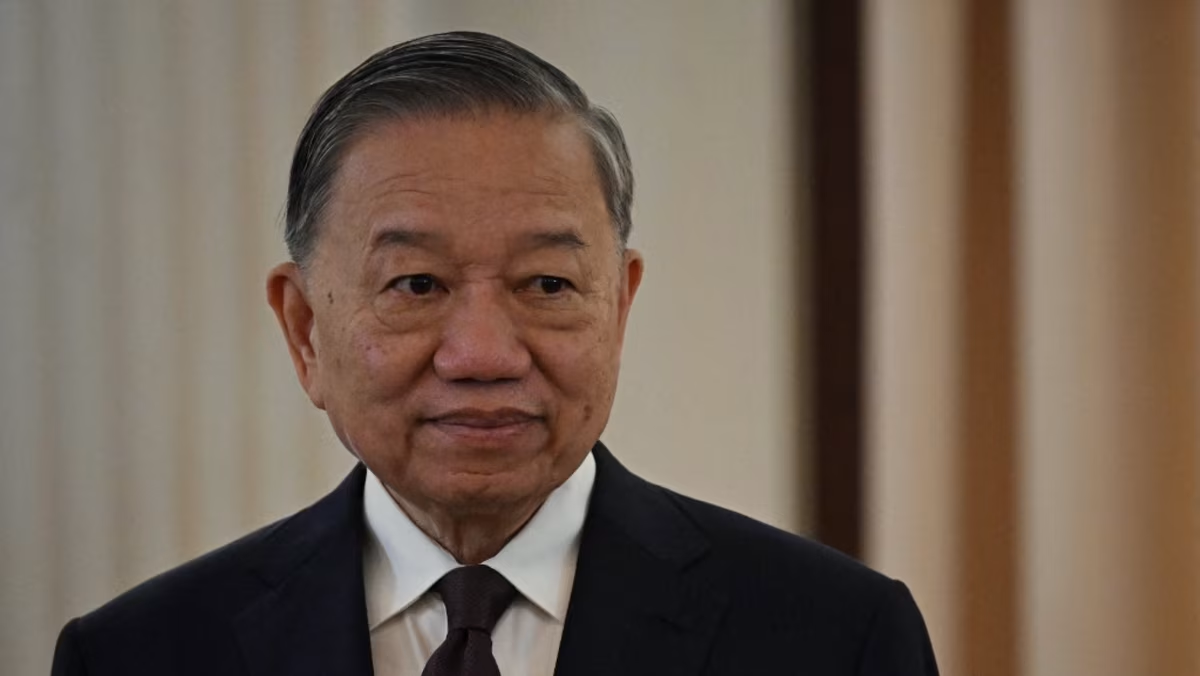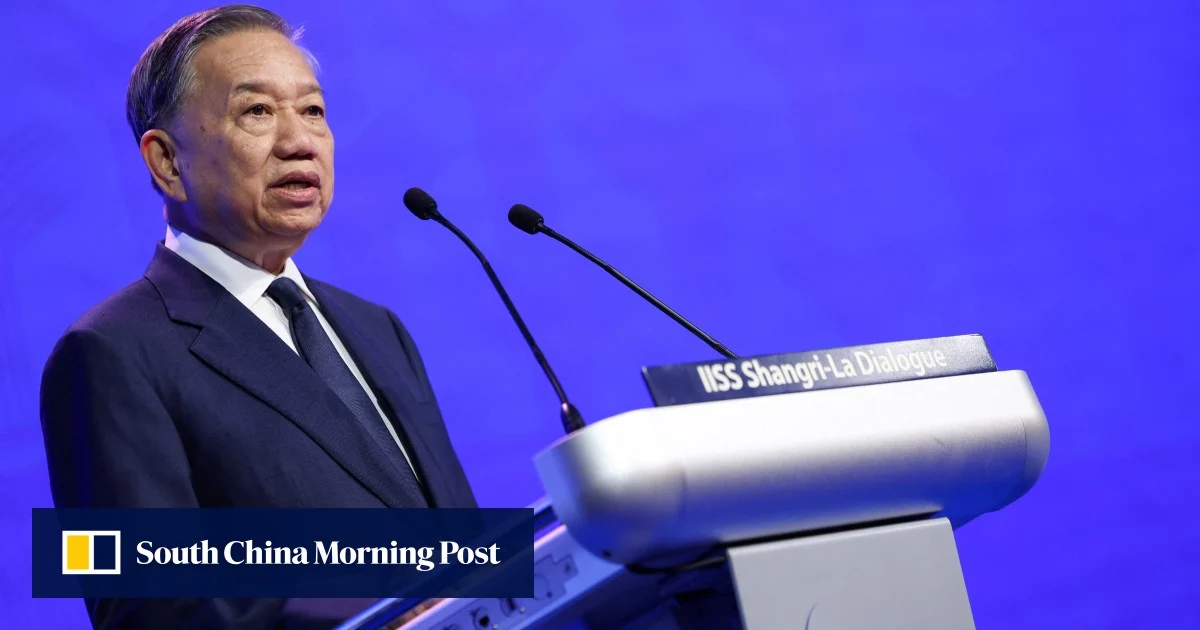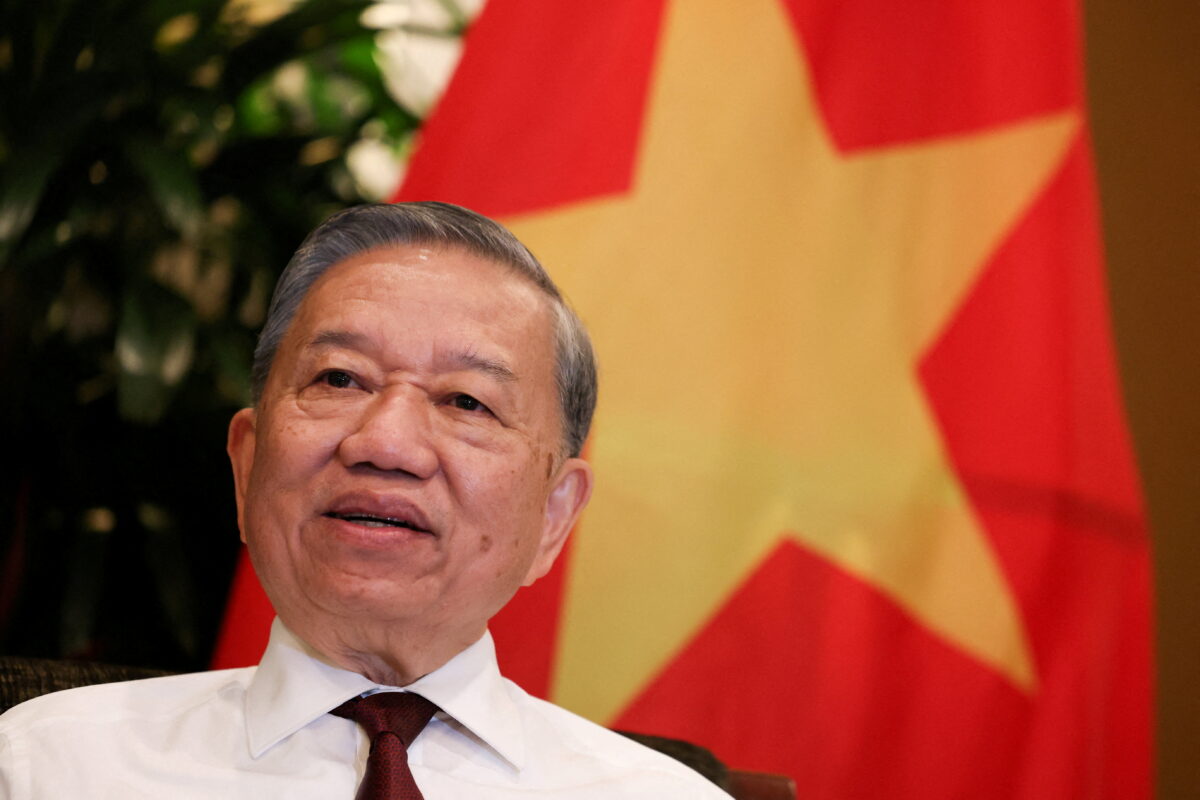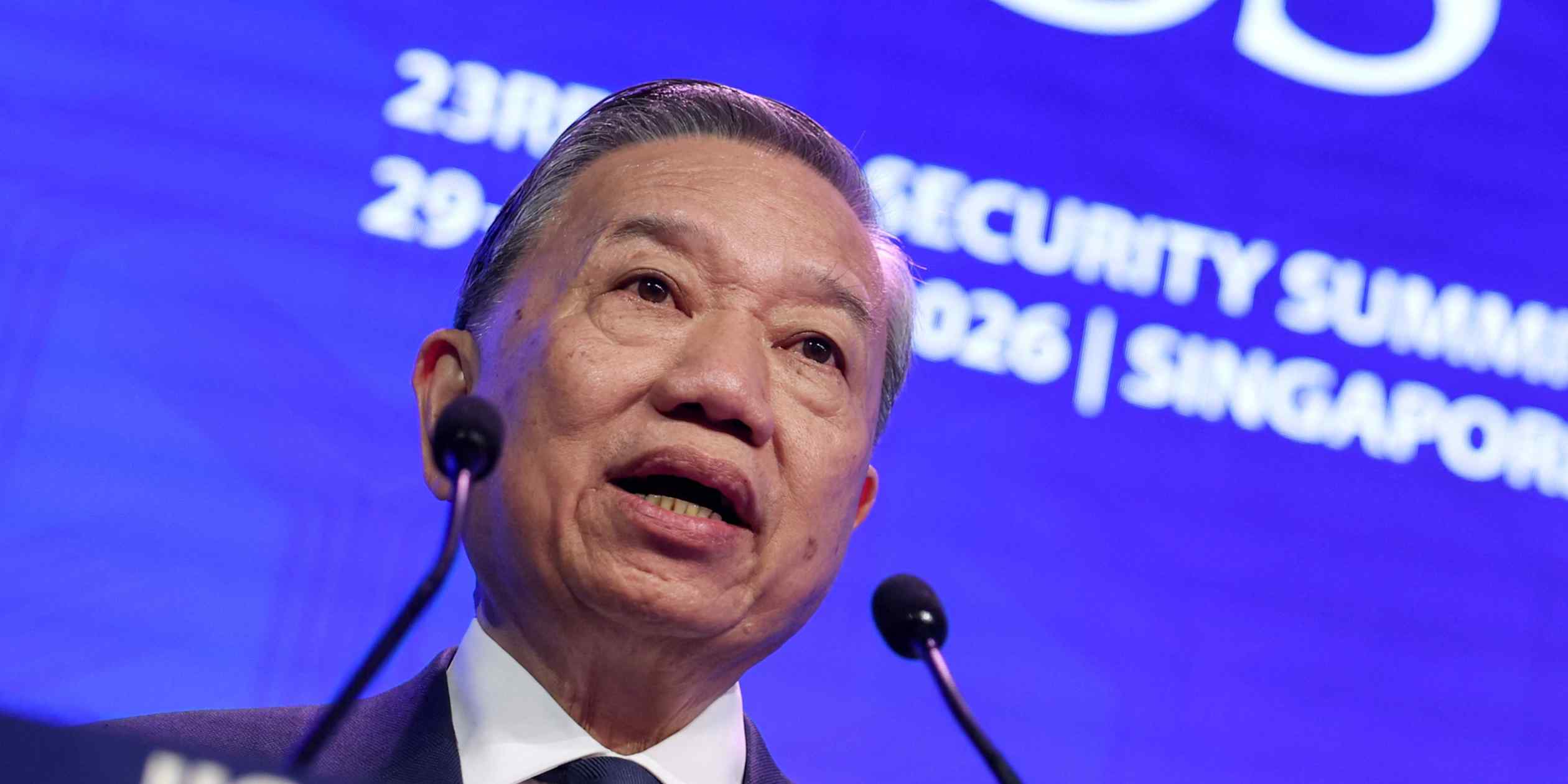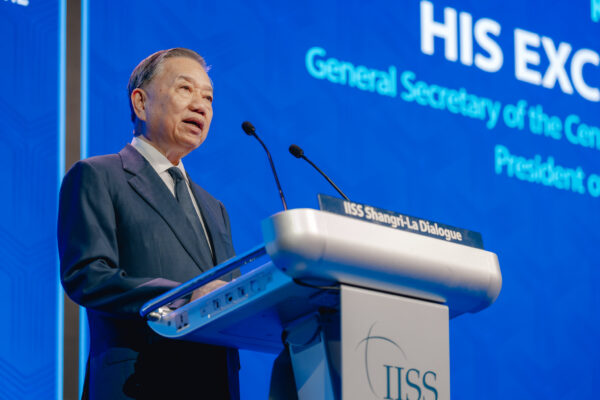
Hours after delivering the keynote at Asia’s premier security forum, Vietnam’s top leader, Communist Party of Vietnam General Secretary To Lam, stated in an interview that Vietnam “does not approach [its] relations with major powers through the prism of security.” For 13 years at the Shangri-La Dialogue (SLD), Hanoi has built its regional standing on a nontraditional security agenda that has steadily widened. That agenda began with Nguyen Tan Dung’s 2013 keynote at the SLD and reached its fullest expression in To Lam’s 2026 address.
Balancing between the United States and China has kept Vietnam safe, but it has offered little say over the region’s direction. Hanoi’s emphasis on nontraditional security provides fertile ground to help shape regional arrangements without touching either great powers’ red lines.
On May 31, 2013, then-Prime Minister Nguyen Tan Dung became the first Vietnamese leader to deliver a keynote at the Shangri-La Dialogue. His speech came less than a year after ASEAN had failed, for the first time in its history, to issue a joint communiqué. The July 2012 Phnom Penh meeting had deadlocked over language on the South China Sea.
In his keynote, Nguyen Tan Dung introduced “lòng tin chiến lược” (strategic trust), a Vietnamese diplomatic concept for how Asia-Pacific states should manage their security relationships. He returned to the concept across the speech, tying it to great power responsibility and ASEAN’s centrality. He also used it to frame nontraditional challenges such as climate change, pandemics, and water security.