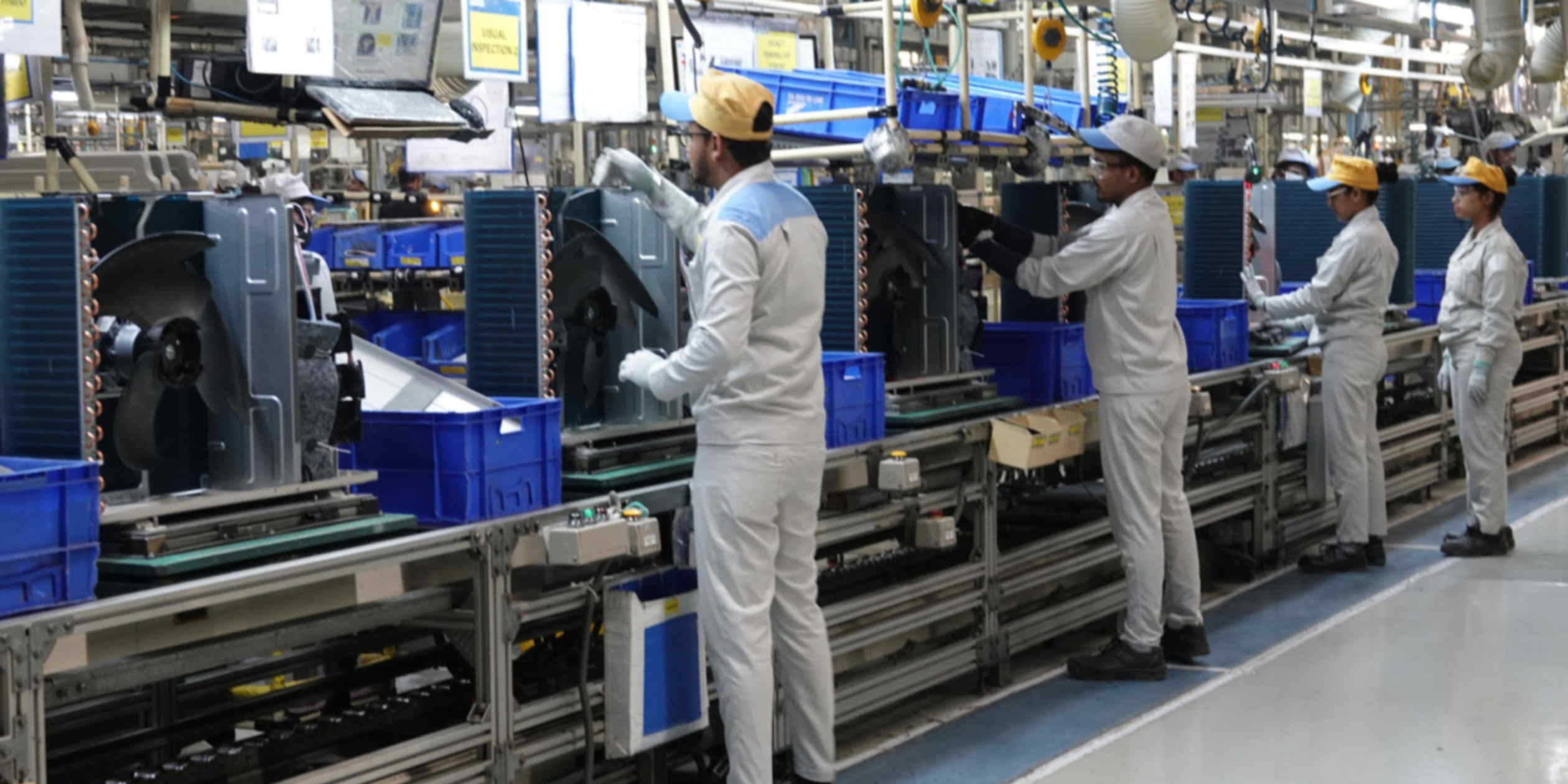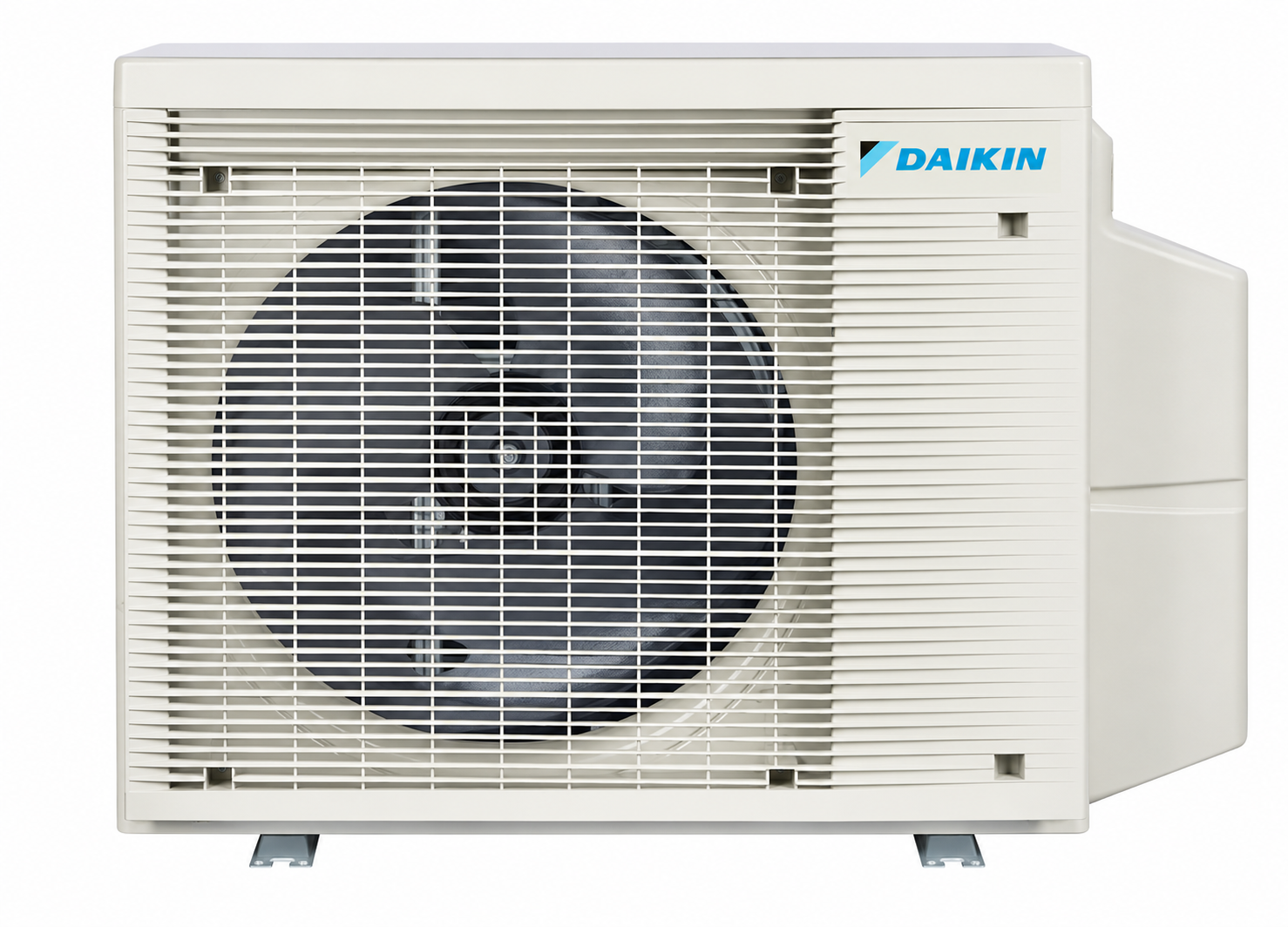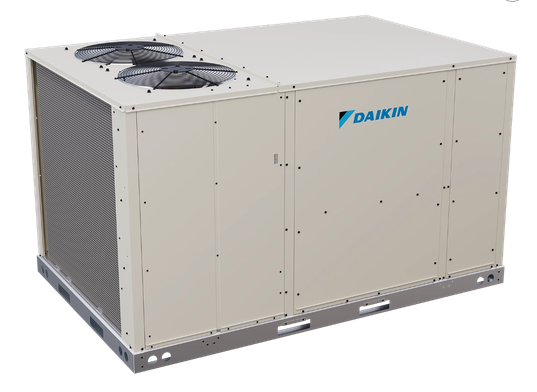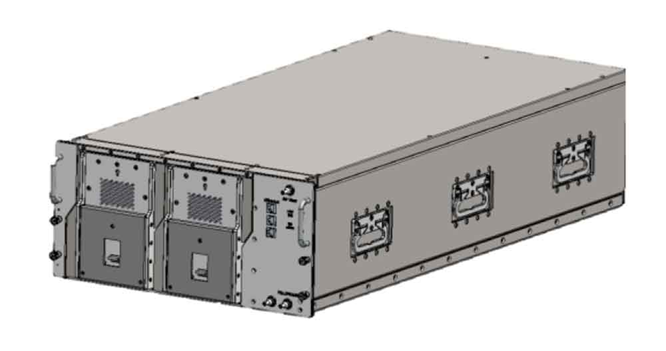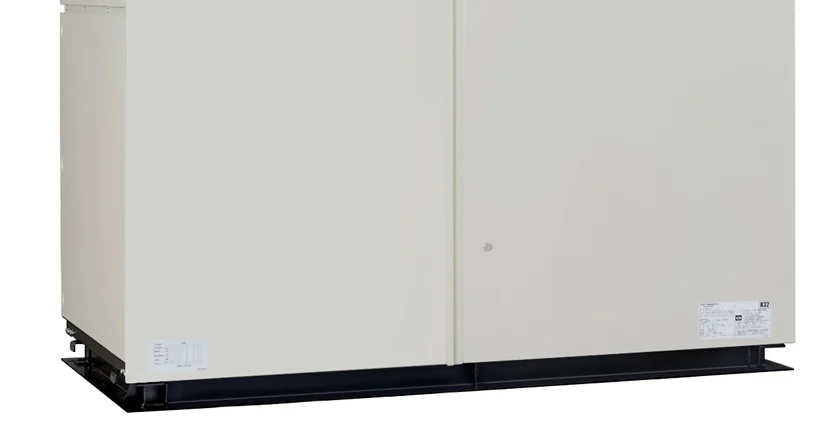
NTT has launched a new air conditioner for IT rooms.The company's architecture and engineering wing, NTT Facilities, recently announced it was expanding the lineup of its FMACS-VI air conditioner for ICT equipment.The company is now offering the FMACS-VI(LL) downward-blowing type, a high-capacity model it says is suitable for data centers.With a cooling capacity of 63kW, NTT said the unit is designed for high-heat-generating telecommunications equipment rooms and data center server rooms. The previous model, the FMACS-V(LL), offered 56kW of cooling capacity.Developed in partnership with cooling vendor Daikin, the product is a high-capacity version of the sixth-generation FMACS-VI in the FMACS series of air conditioners. NTT says the unit is 20 percent more efficient than the base model and is the first to use the R32 refrigerant, which offers lower greenhouse gas potential than R410A.“Following this expansion of the lineup, we plan to further expand the FMACS-VI series in preparation for the regulations on conventional refrigerants coming into effect in 2029,” the company said. “This will include large-capacity upward-blowing types for large telecommunications equipment rooms, data centers, and direct-floor areas such as power rooms and engine rooms, as well as small-capacity types for smaller telecommunications equipment rooms.”NTT partners with Daikin for AI cooling systemNTT and Daikin are also partnering on a new AI proof of concept.The companies this week announced that they will jointly develop an AI model that predicts server thermal conditions by leveraging NTT Data’s operational expertise and data on the relationship between server behavior and cooling performance, together with Daikin's cooling-system control technologies and AI-powered control capabilities.The companies will also work to establish a new cooling optimization approach that links AI-based thermal predictions with facility control systems.From July 2026 through March 2027, the solution will be deployed at an NTT Data data center in Japan to evaluate its effectiveness in improving energy efficiency, reducing electricity costs, and increasing the level of operational automation.
NTT launches new air conditioning unit for server rooms
The 63kW air con unit has been developed alongside Daikin
315 words~1 min read