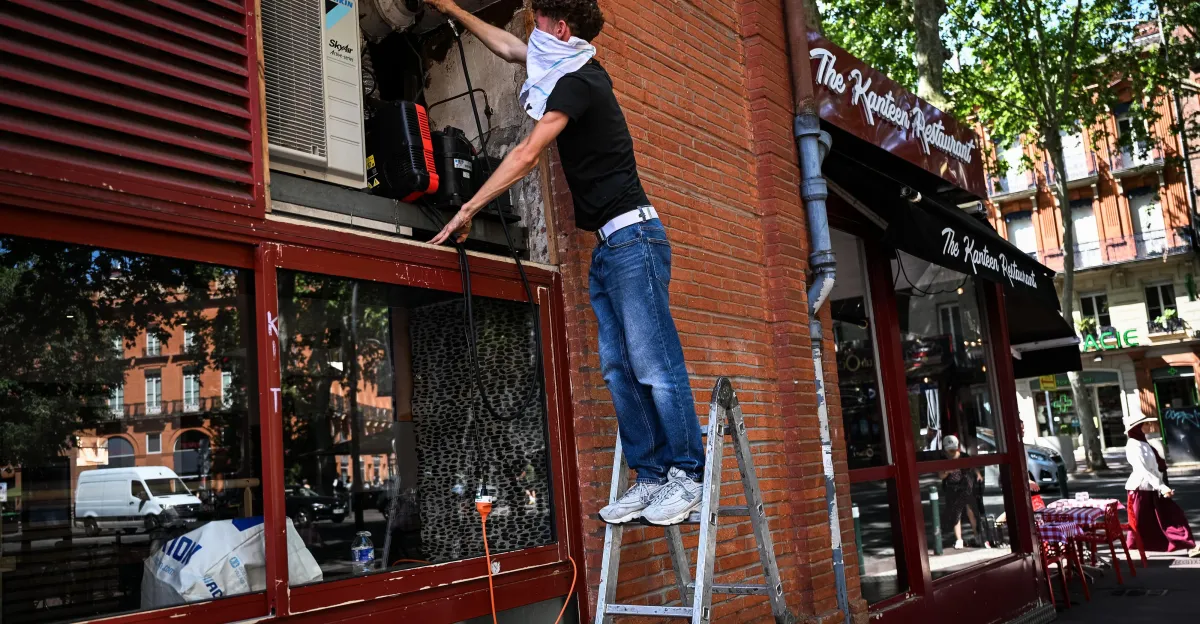
Londoner Zainab Hussain once saw air conditioning as a luxury in Britain. Now, the 35-year-old "can't see how we'll survive without it".She and her husband are among a small but growing proportion of British households embracing AC to deal with increasingly hot summers.But the trend has attracted criticism, particularly from sustainability experts who argue it should not be the "default answer"."It's seen as a quick fix and it's not actually, because it can cause a lot of damage," Rajat Gupta, professor of sustainable architecture and climate change at Oxford Brookes University, told AFP.
People use parasols to protect themselves from the sun as they queue outside a shop in London. For the second successive year, England last month experienced its warmest June since records began in 1884.
| Photo Credit:
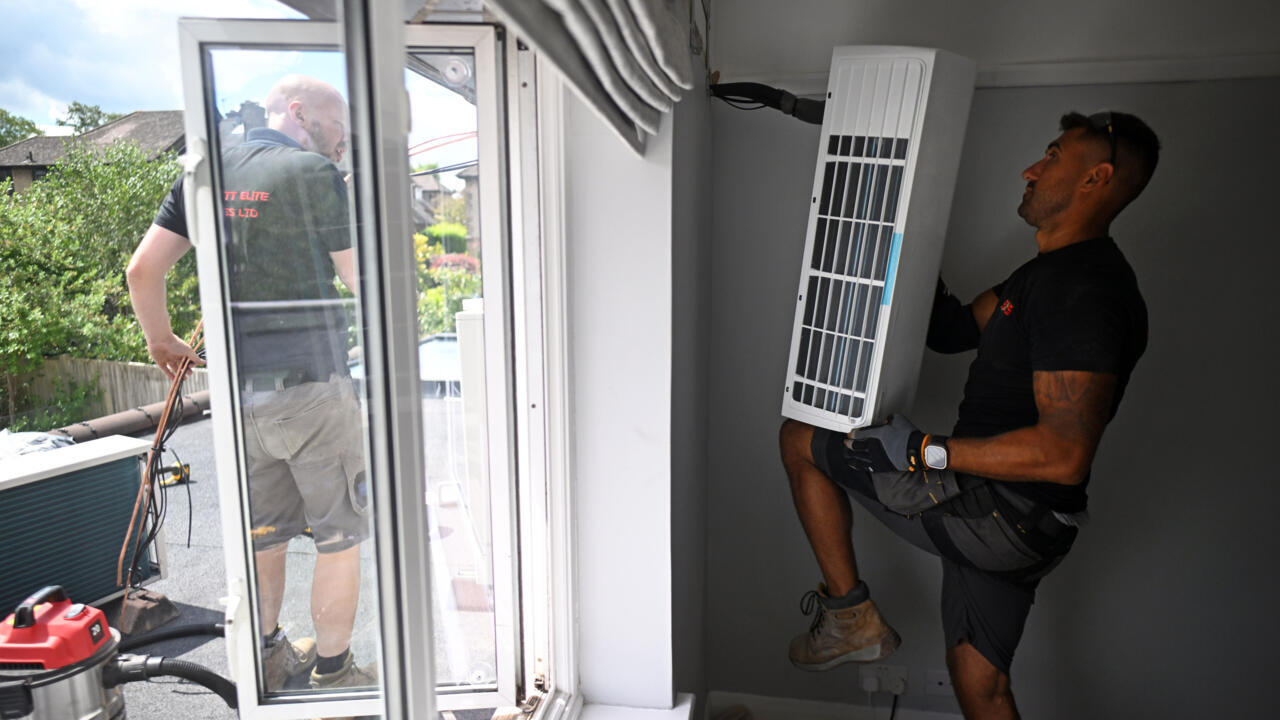
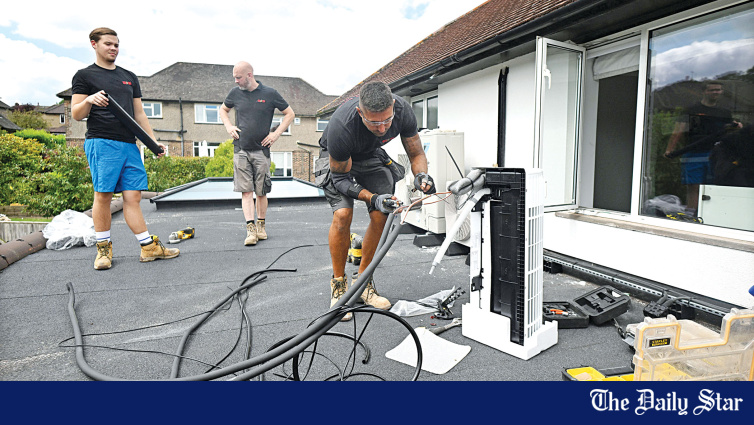
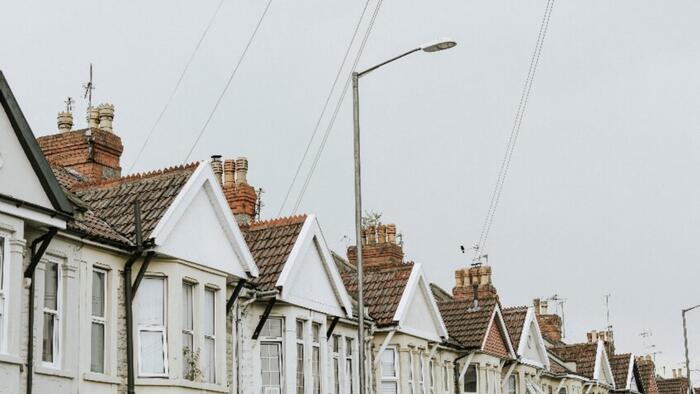
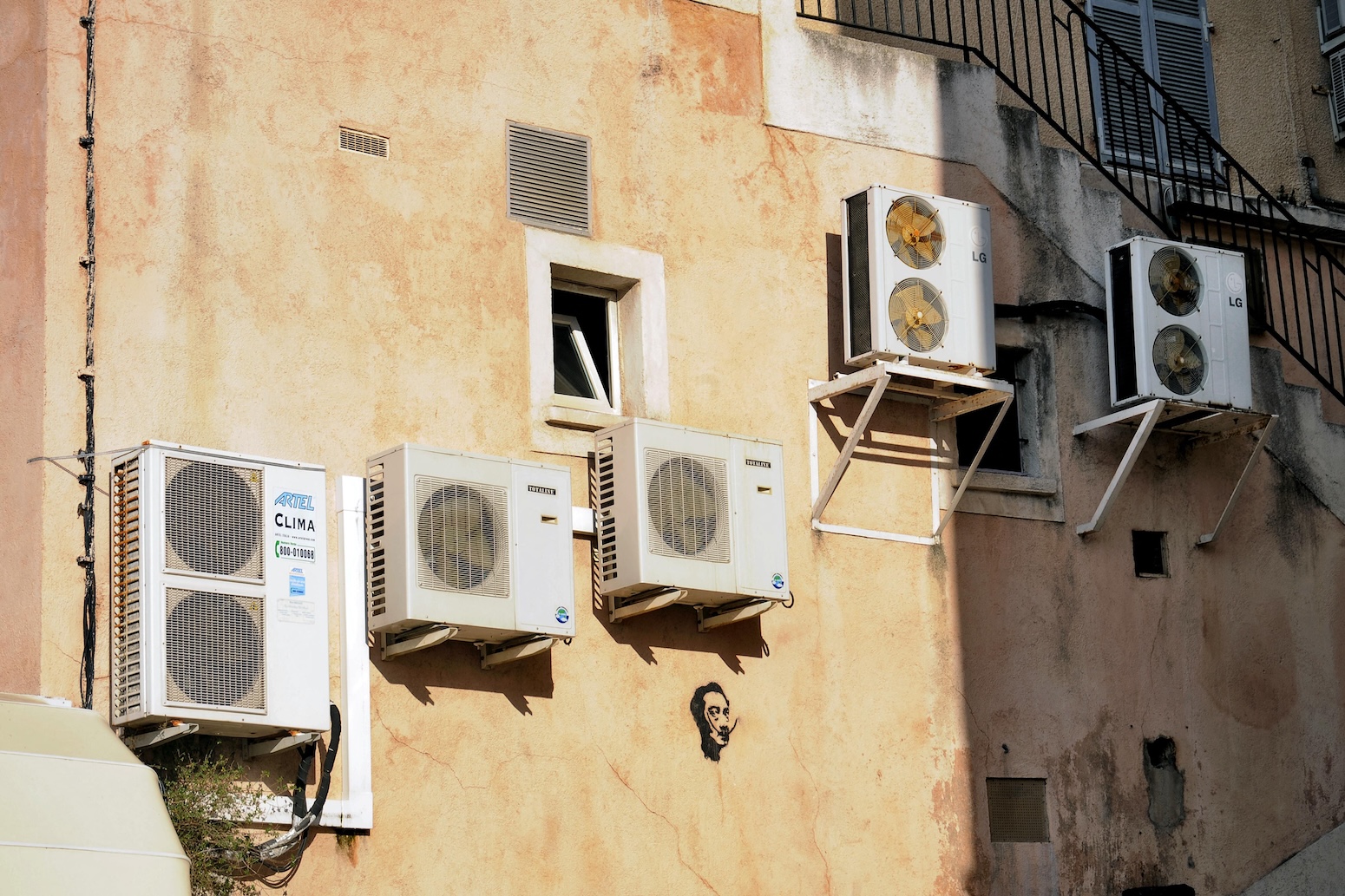
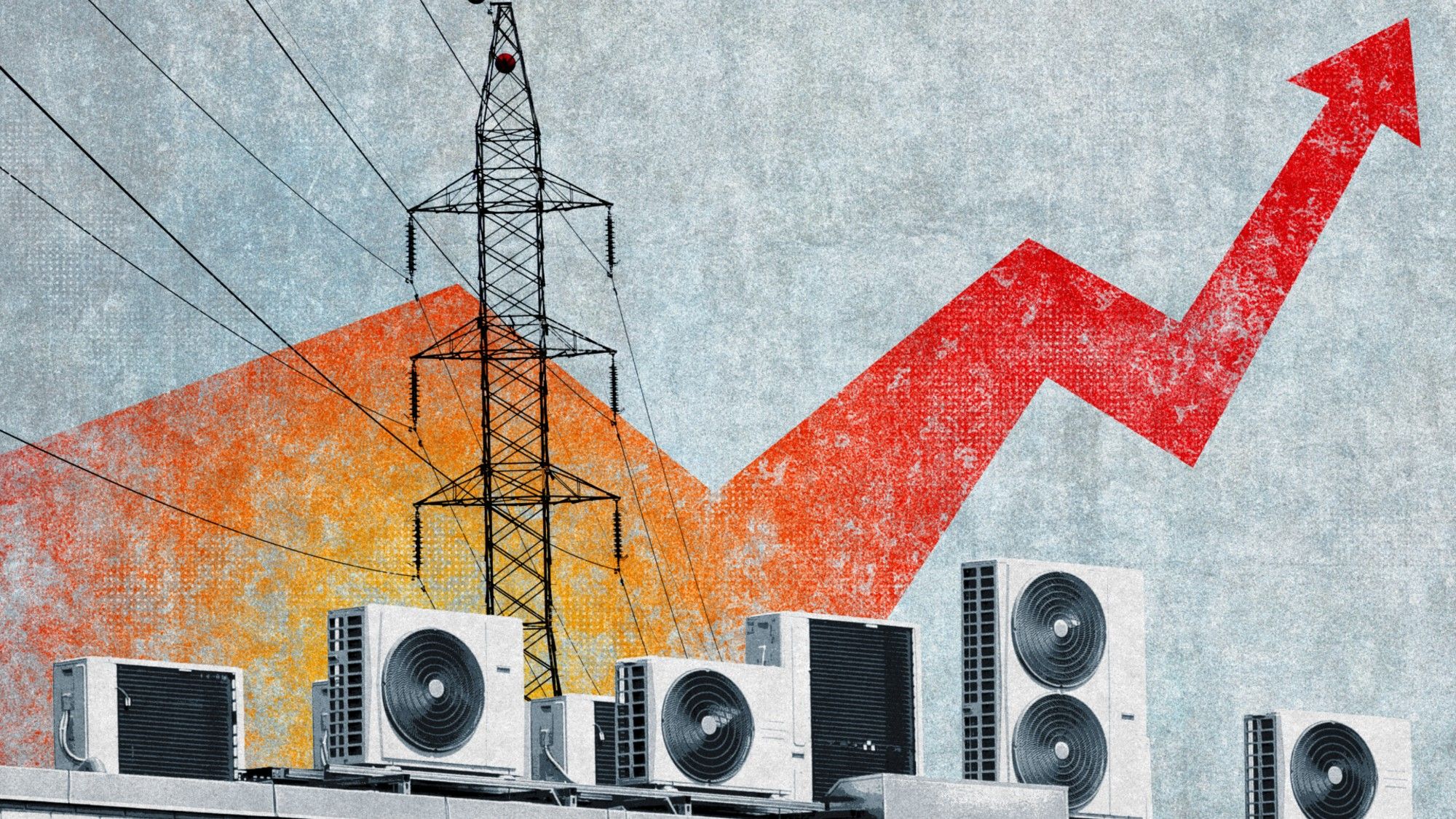
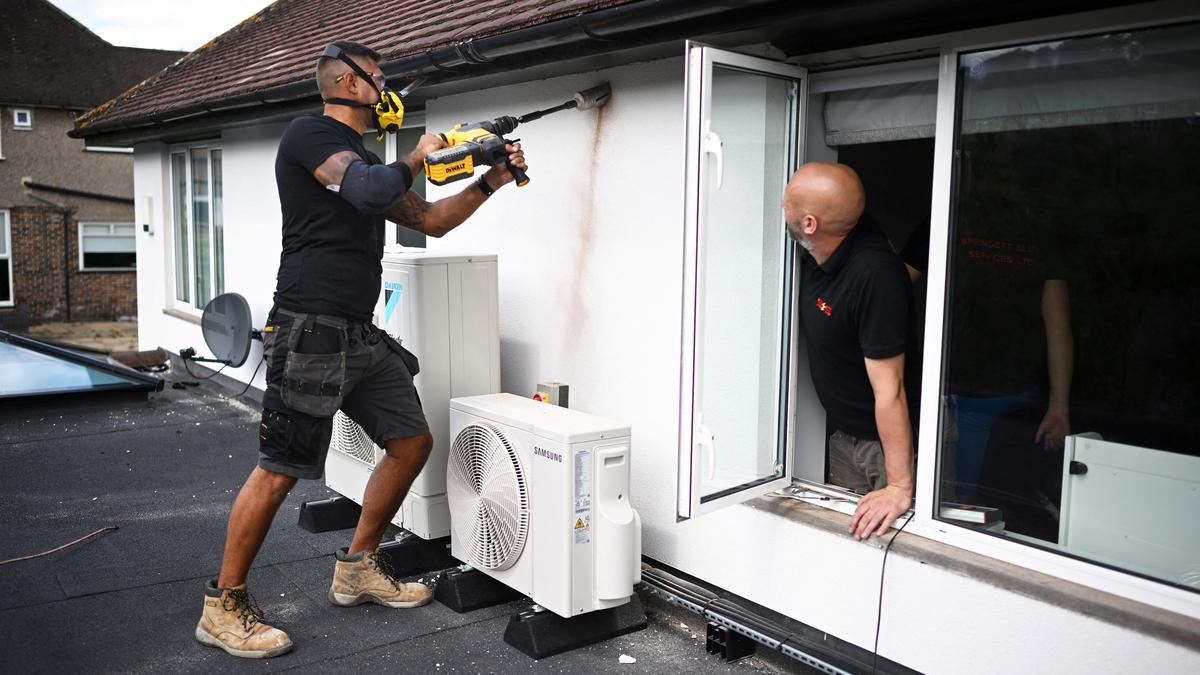
He noted AC increases electricity demand, energy bills and carbon emissions, while worsening the so-called urban heat island effect by releasing hot air onto city streets.However, after sweltering at night through the second heatwave of 2026 last month, the Hussain family were undeterred, opting to add AC upstairs at their semi-detached home in the south London suburb Selsdon."We realised that our summers were just getting more and more unbearable so it was something that we definitely needed to have for the downstairs area," Mr. Hussain explained."But after last week's heatwave, we realised that actually upstairs was really unbearable as well," she added, as workers fitted the new appliance.Wanted 'now'Only around 5% of British homes have AC while half overheat during the summer months, according to a 2025 report by the non-partisan Centre for British Progress think tank.