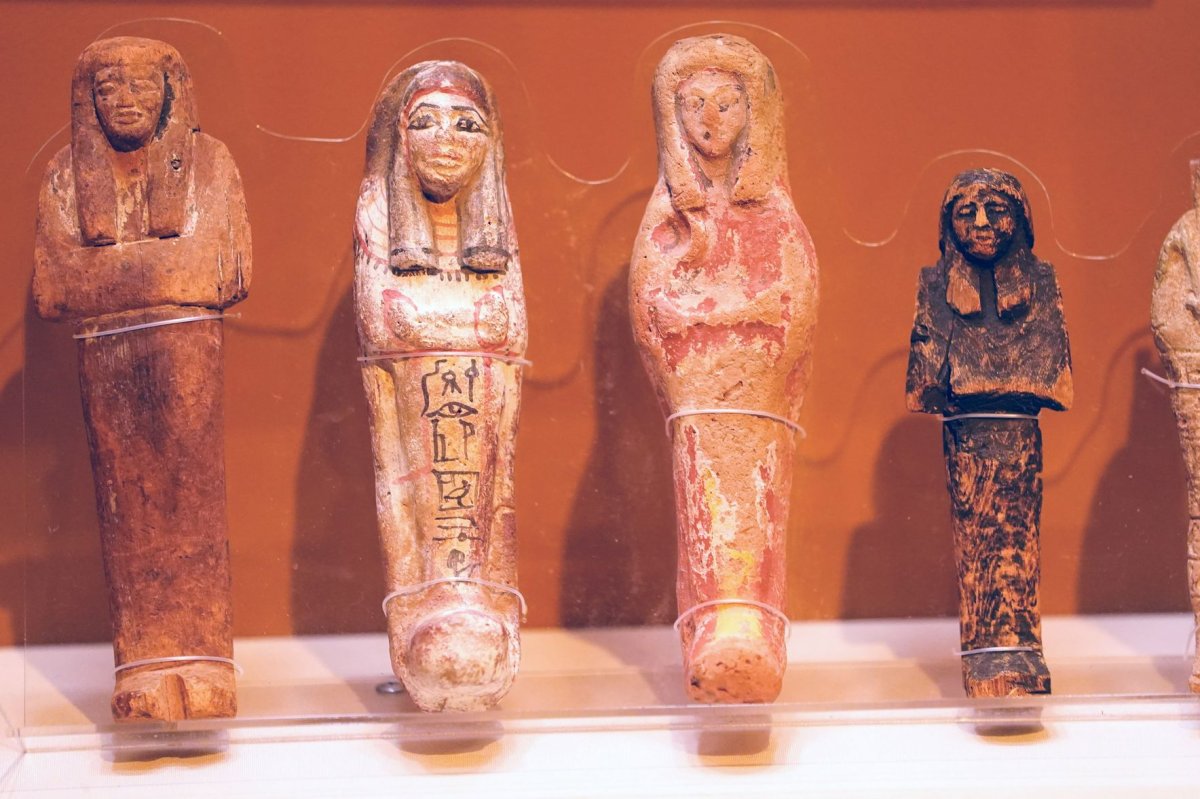
For most people, the word mummy immediately conjures images of ancient Egypt, gilded pharaohs and elaborate tombs along the Nile.
Yet archaeology tells a very different story.
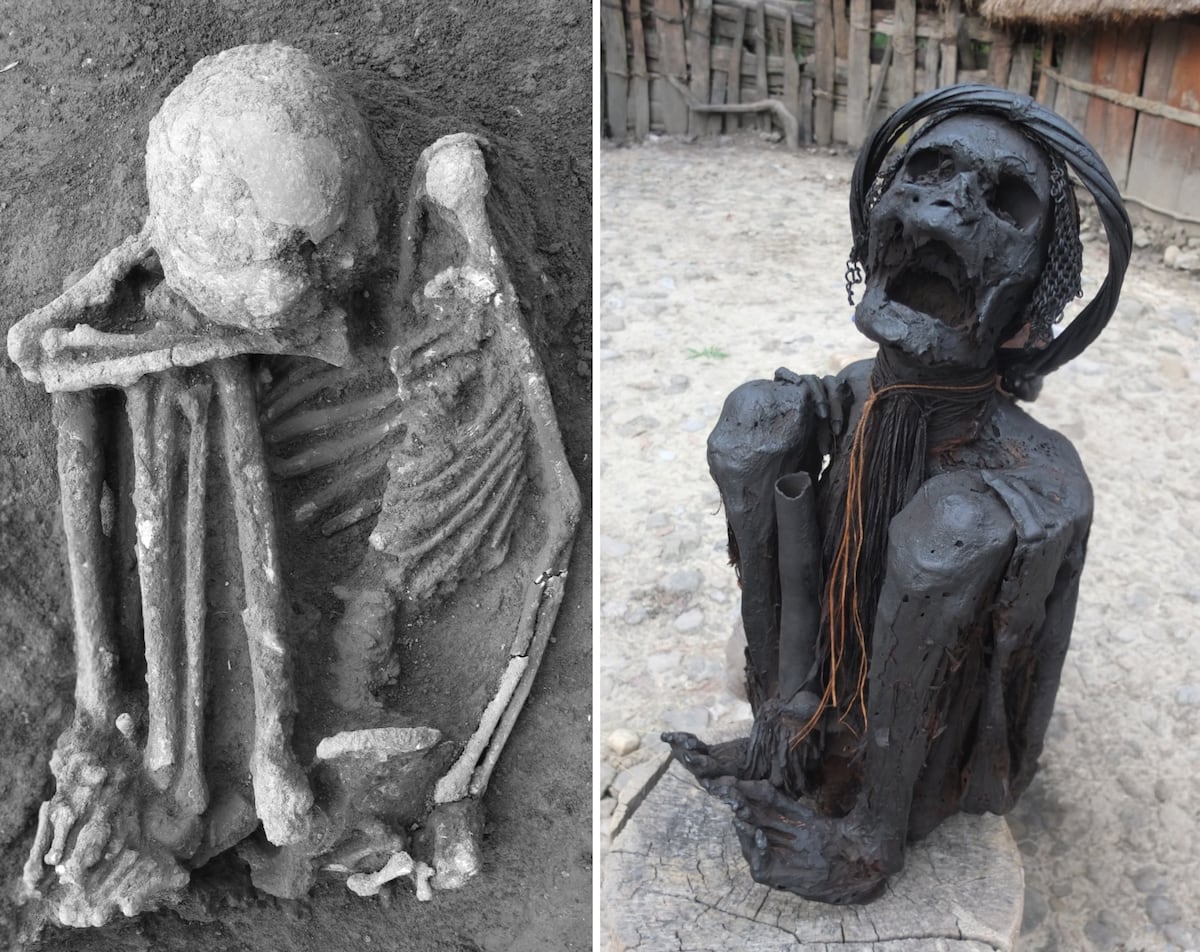
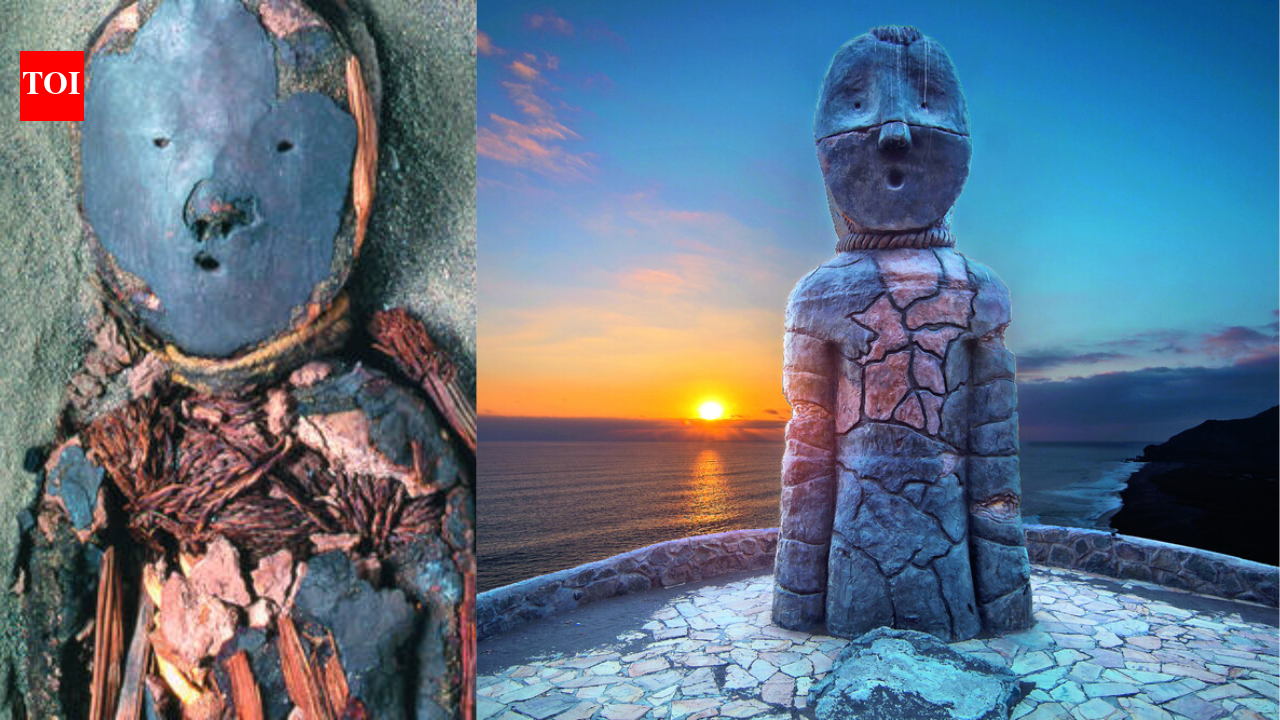
Nearly 2,000 years before Egyptians perfected embalming, a community of marine hunter-gatherers living on Chile's arid Pacific coast had already developed the world's earliest known tradition of artificial mummification.
The Chinchorro people, who thrived along the Atacama Desert coastline, transformed the dead into carefully reconstructed bodies using reeds, plant fibres, clay and pigments rather than preserving them naturally.
More remarkably, this practice was not reserved for rulers or elites.