Iyobosa Uwugiaren writes that The Presidential Foreign Intervention Promotion Council affair has exposed something that many Nigerians have long suspected but could rarely demonstrate so blatantly: legislative oversight is increasingly becoming a constitutional ritual rather than a constitutional responsibility.
There is a popular old saying that when something smells bad, you do not spray perfume over it; you find the source of the odour. Nigeria’s latest budget controversy surrounding the alleged Presidential Foreign Intervention Promotion Council (PFIPC) is producing an unmistakable political disgusting odour. The temptation is to look only toward the Presidency, where denials, counterclaims and allegations continue to dominate the headlines. But that would be only half the story. The other half sits comfortably inside the National Assembly.
The PFIPC affair has exposed something that many Nigerians have long suspected but could rarely demonstrate so blatantly: legislative oversight is increasingly becoming a constitutional ritual rather than a constitutional responsibility.
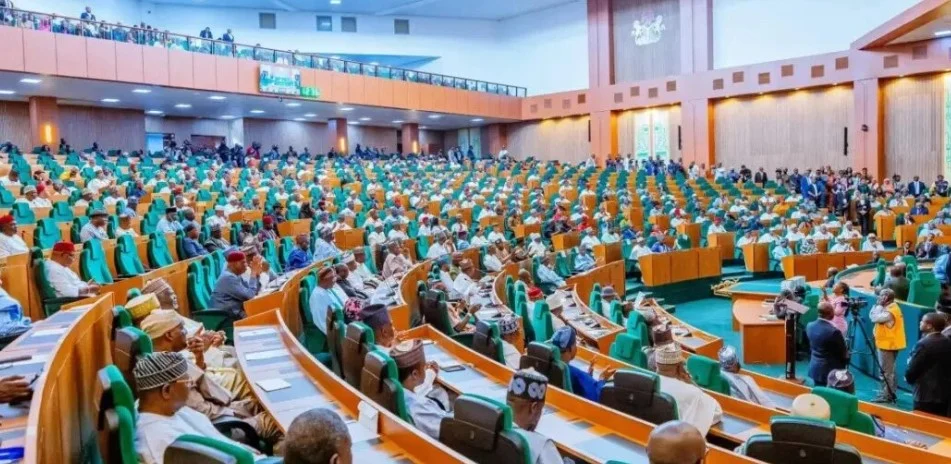
The institution that should serve as the nation’s first line of defence against questionable public spending now finds itself confronting difficult questions about whether it is still capable of performing that role effectively. This is not merely a partisan dispute between government and opposition; it is a fundamental question about institutional integrity and the credibility of Nigeria’s democratic architecture.