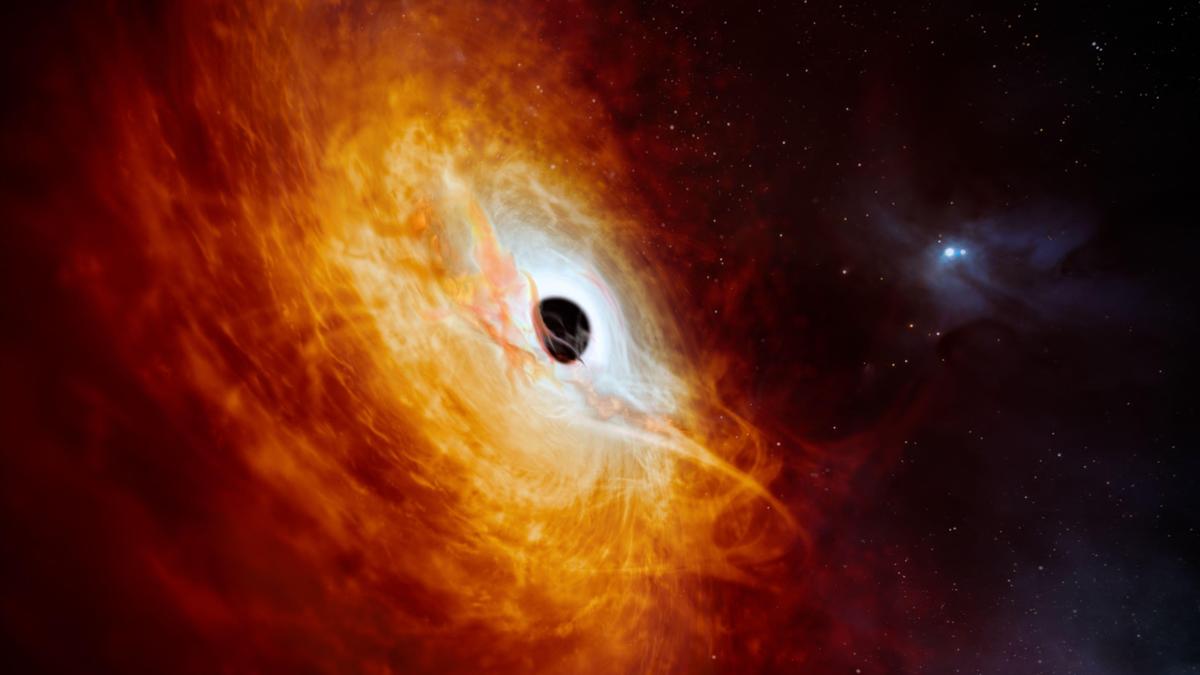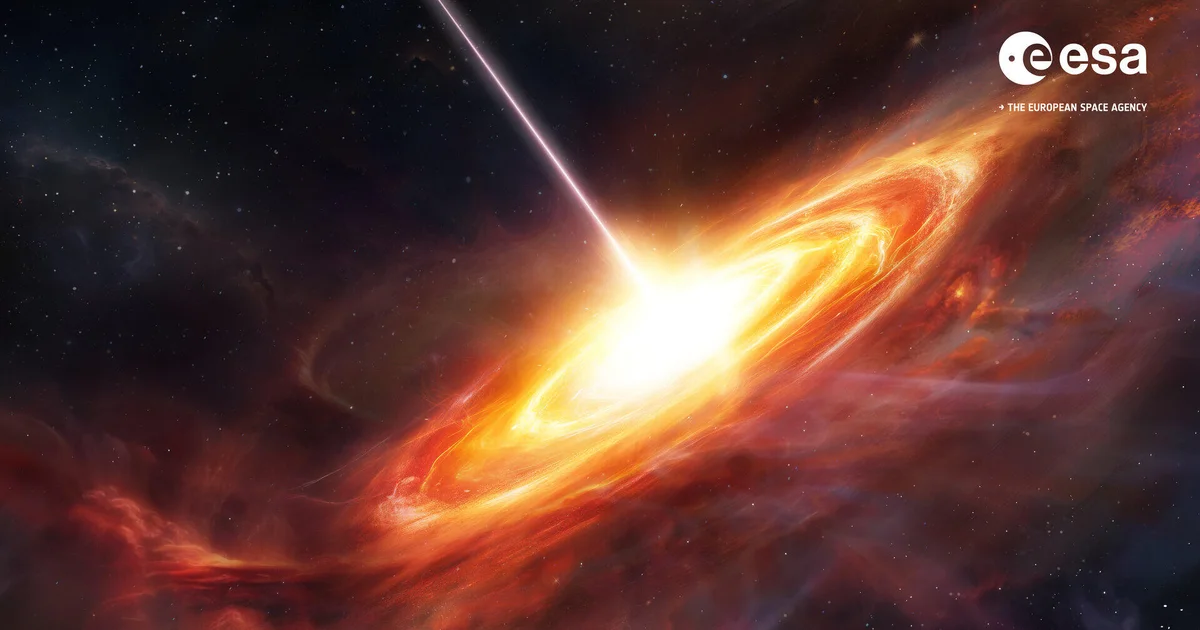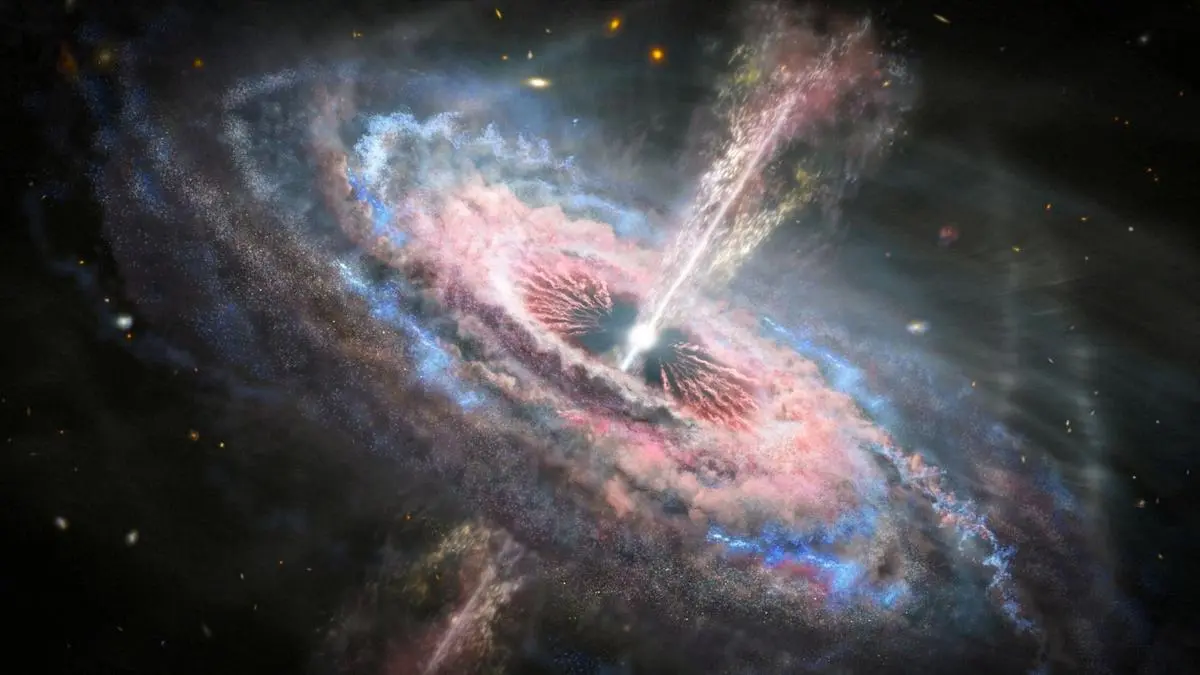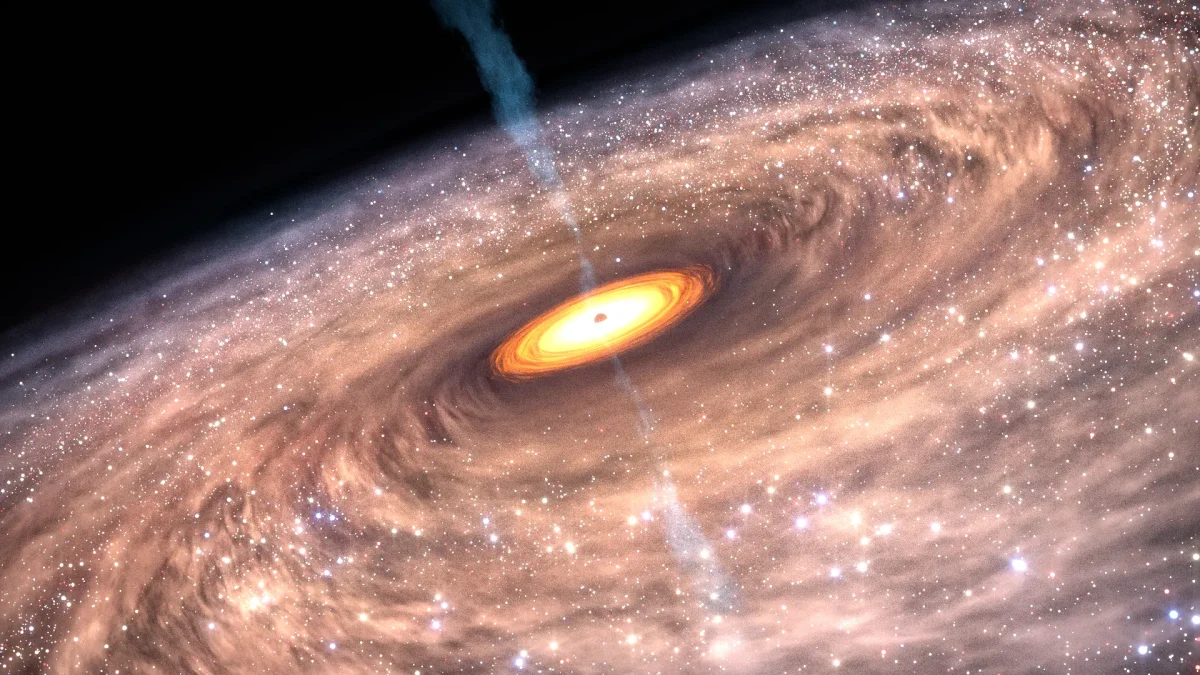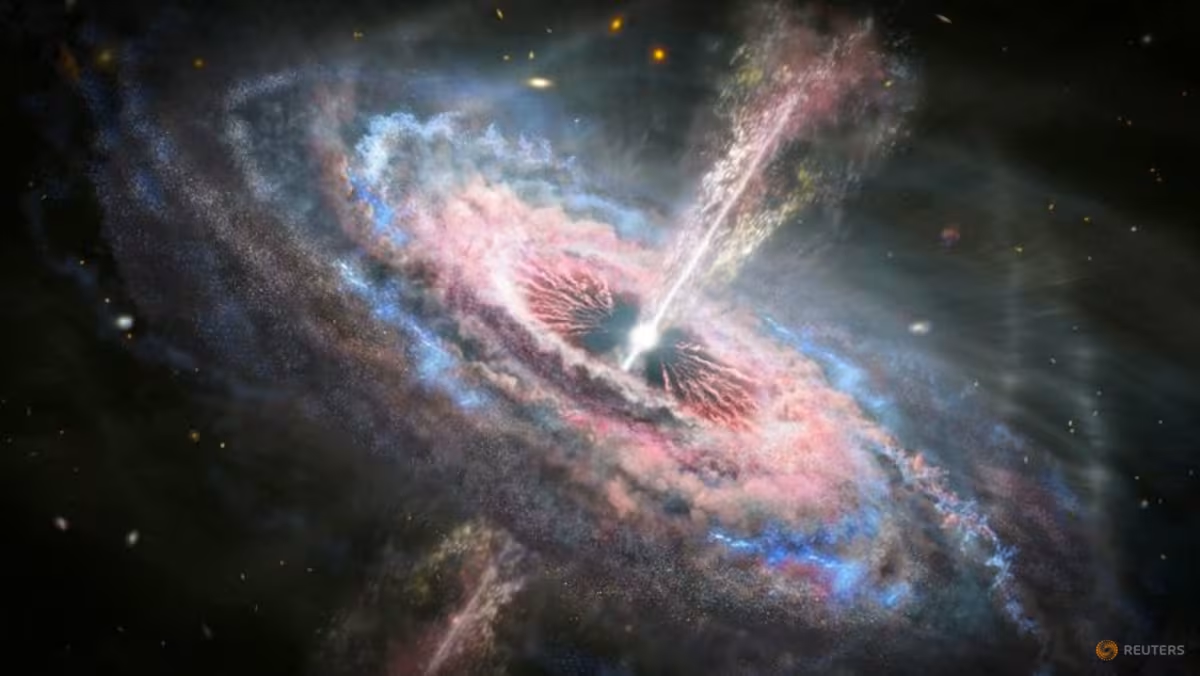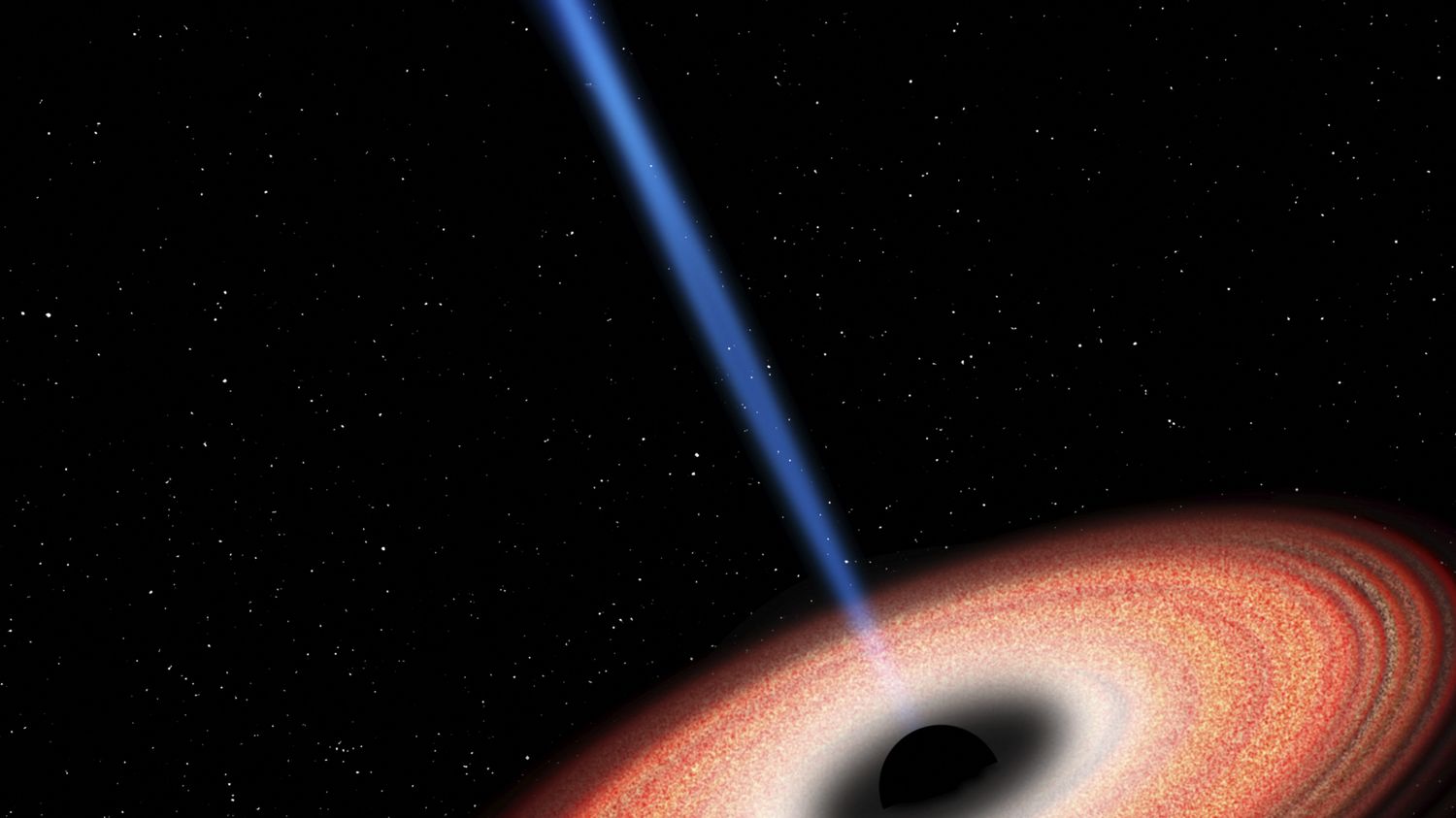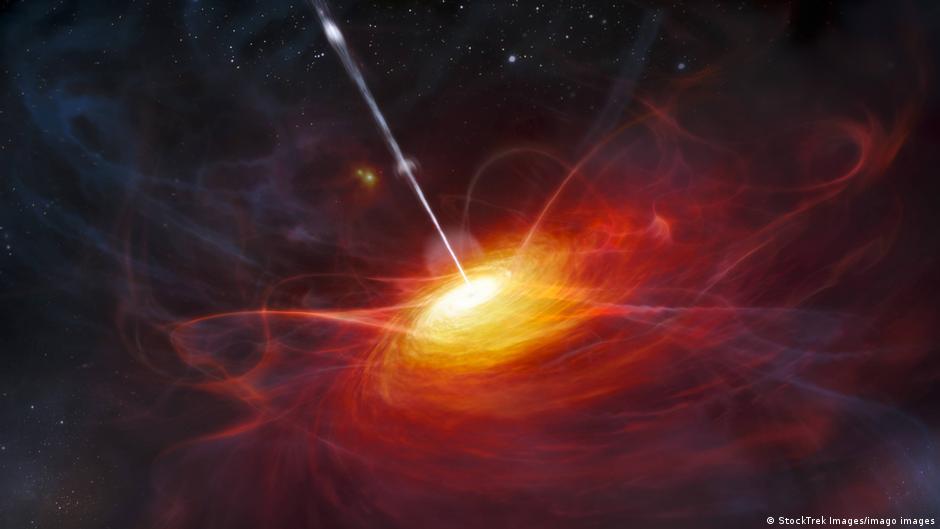
Quasars emit primordial light. They are far, far away, both in terms of time and distance. They are easy to confuse with other celestial sources of light, like stars that are closer to Earth.
But when we do detect them, they tell astronomers a lot about the earliest moments of the universe, and that knowledge helps us learn more about our place in it.
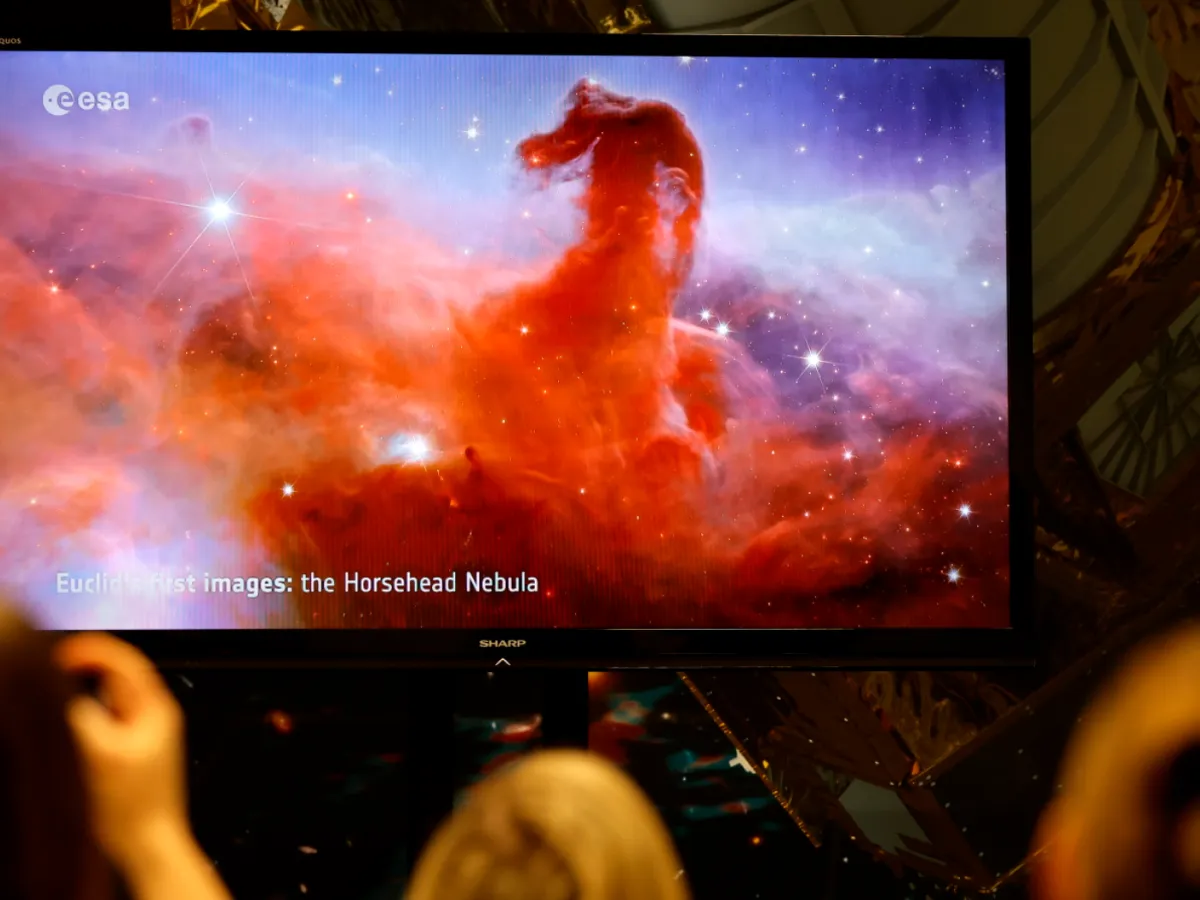
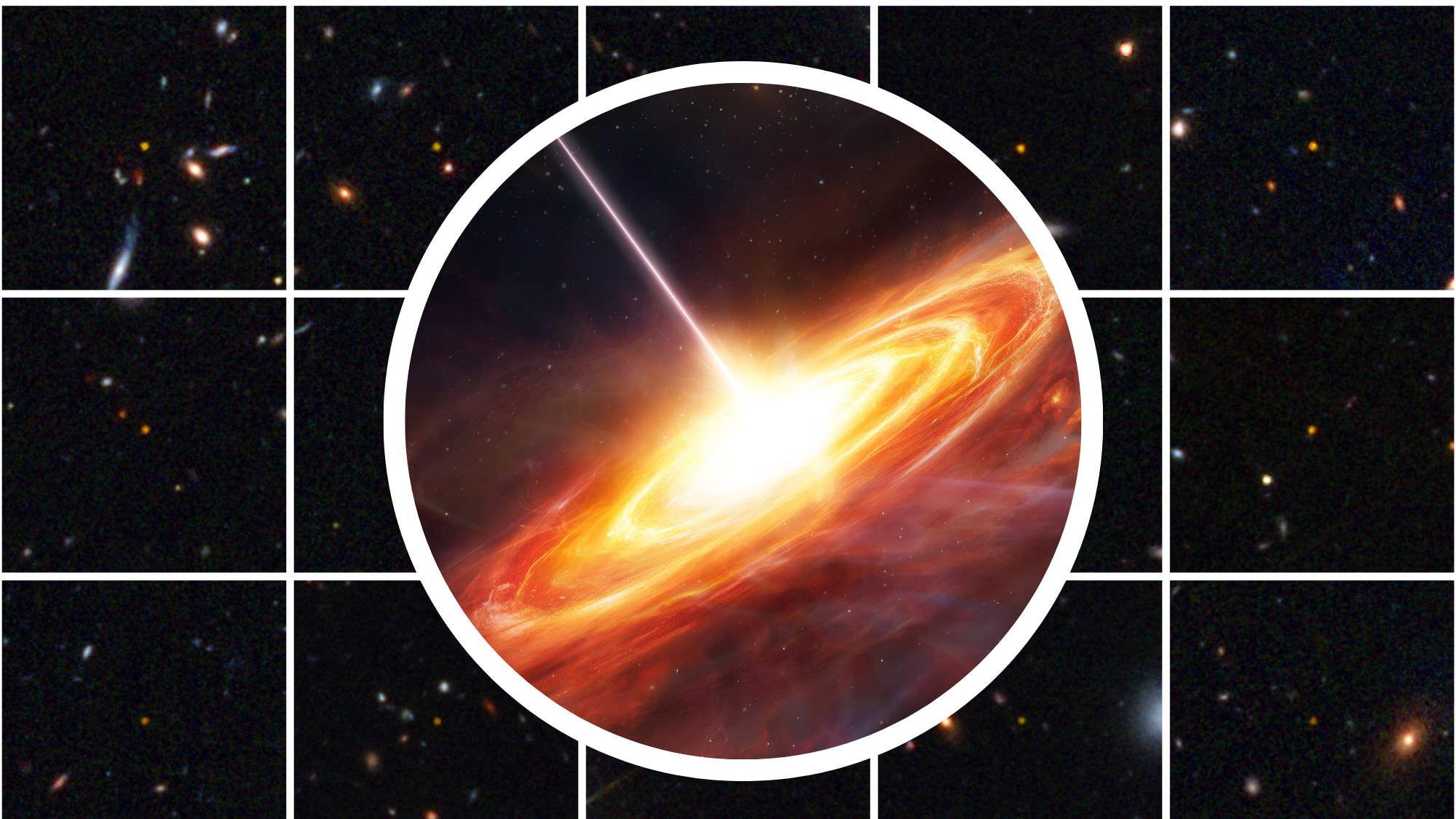
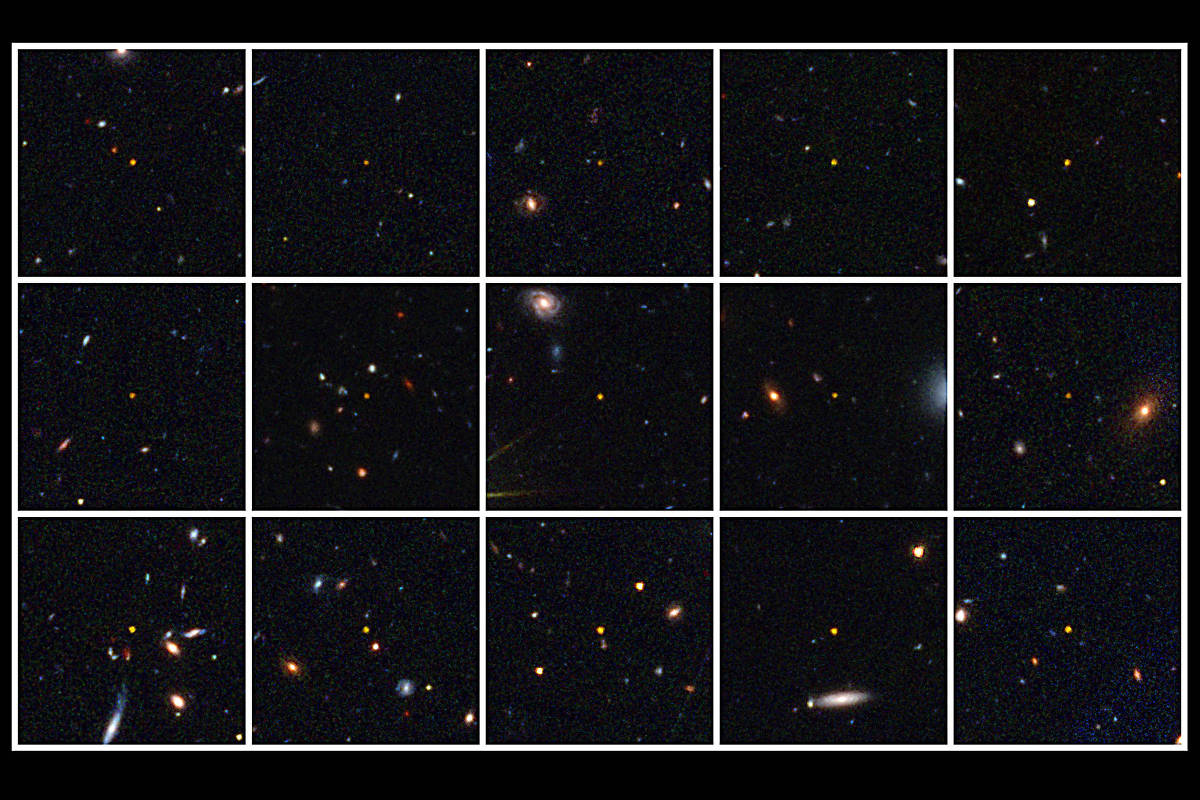
The European Space Agency's Euclid space-based telescope launched in 2024 to map the universe. ESA has now released images of two of the most ancient quasars ever located.
They are just two out of a crop of 31 quasars that hark back to a time when the universe was a mere 670 million years old. That's within the first 5% of its current age.
"Before, we could only find a handful of the very brightest ancient quasars, but Euclid lets us search far more efficiently across huge areas of [the night sky] to capture much fainter light. It's a unique tool for quasar hunting," says Daming Yang, the lead author of a study about the new findings, published July 6, 2026.