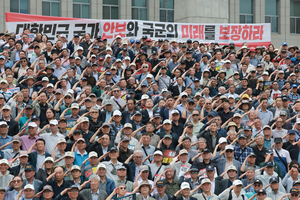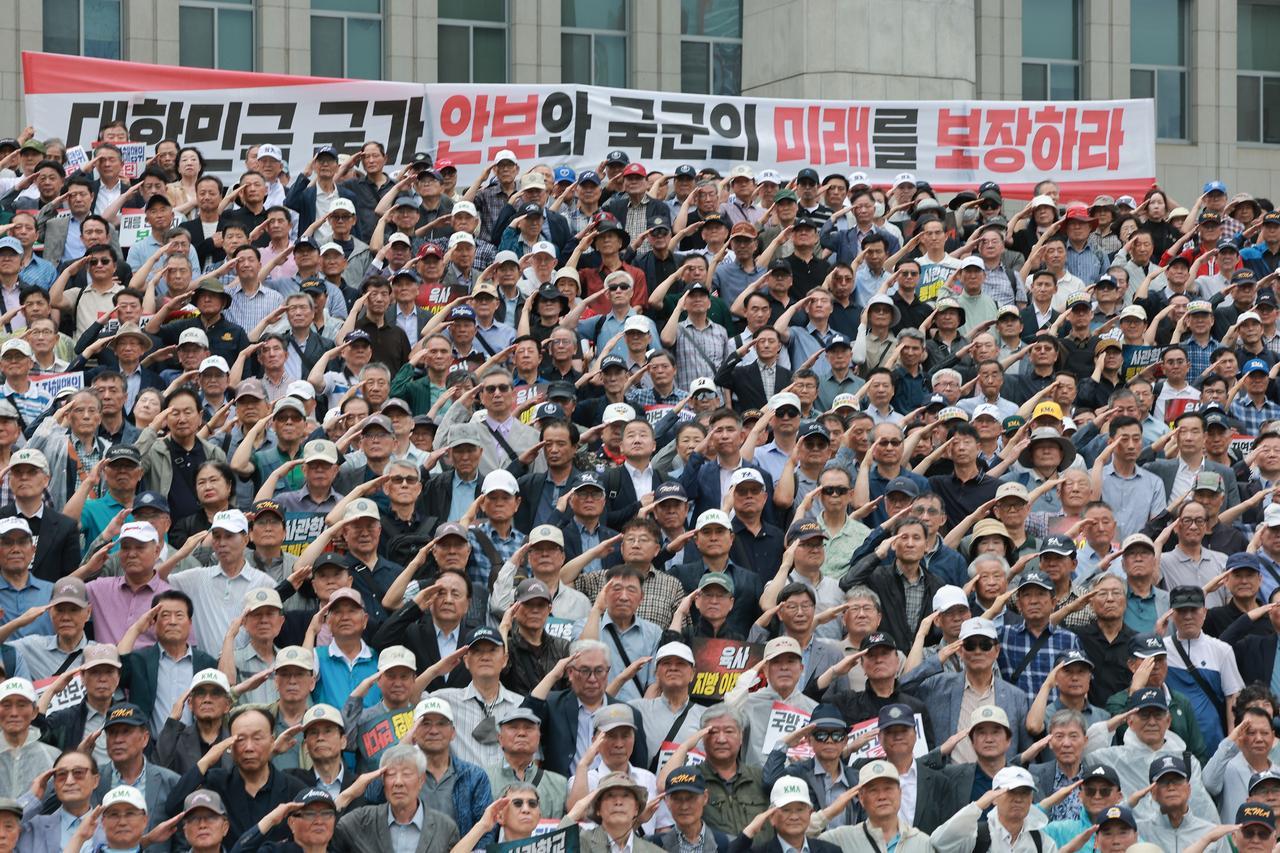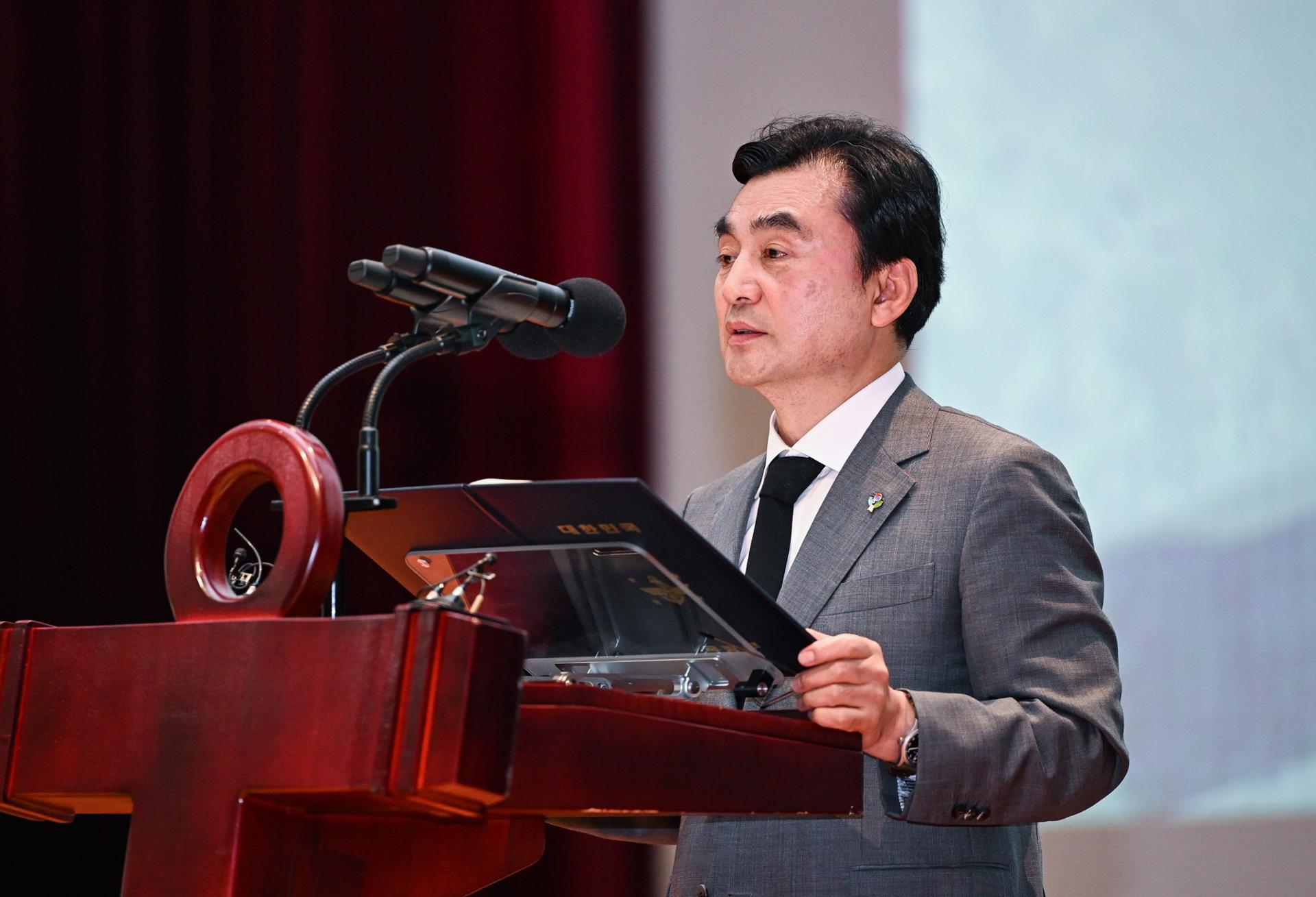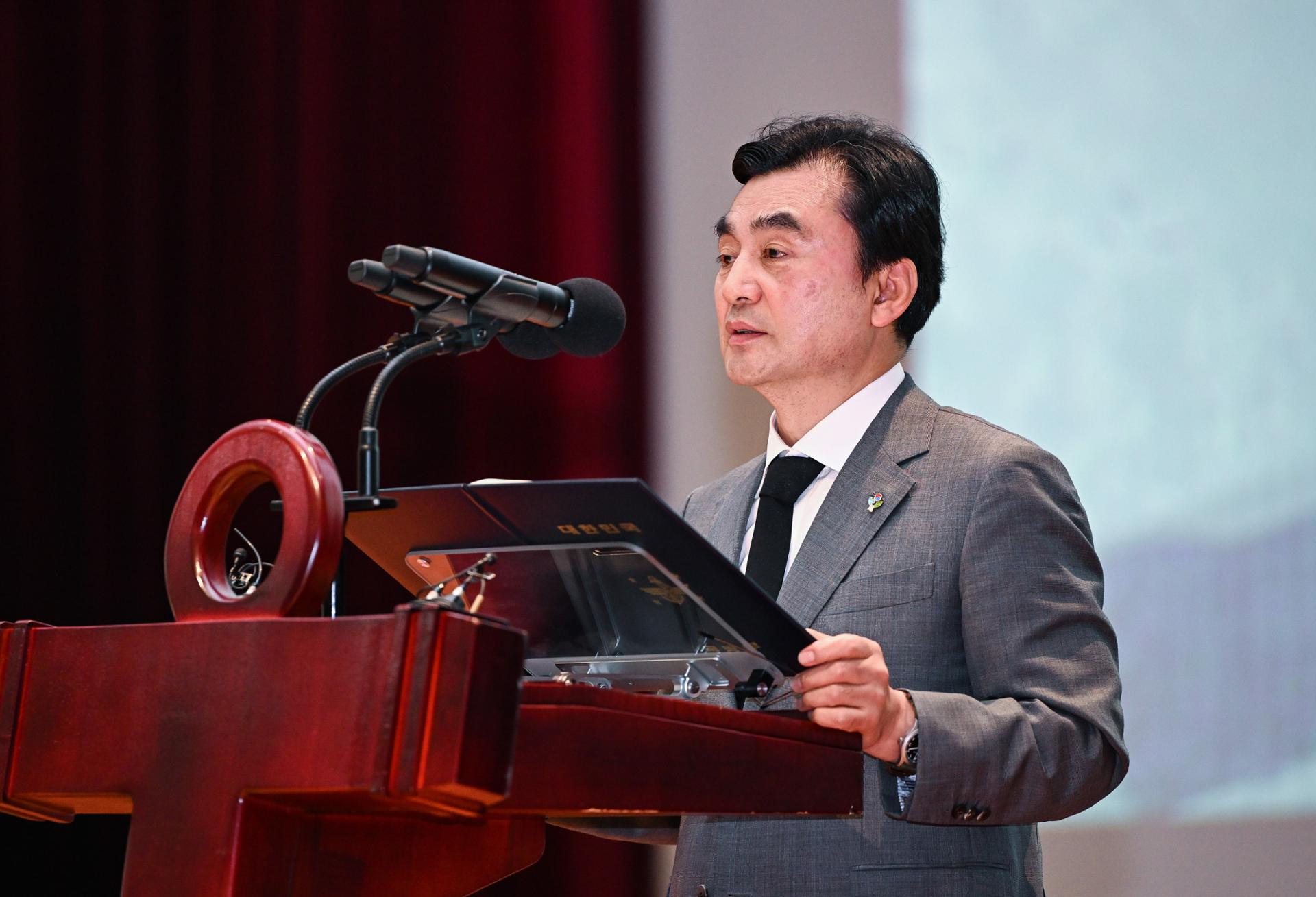
Defense Minister Ahn Gyu-back speaks during a meeting of top military commanders for the first half of 2026 at the Defense Ministry’s headquarters in Yongsan, Seoul, Wednesday. (Yonhap) Defense Minister Ahn Gyu-back is facing mounting pressure over his plan to integrate the Army, Navy and Air Force academies.The proposal, part of Ahn’s push to reform military education and strengthen jointness among the services, has drawn growing criticism from opposition politicians, retired military leaders and academy alumni groups.On Sunday, Seoul mayor and prominent People Power Party figure Oh Se-hoon criticized the proposal. He said the officer training system was a “matter of long-term national security” and should not be pushed through simply because it was one of President Lee Jae Myung’s campaign pledges.Oh also raised concern that the plan could lead to relocating the Korea Military Academy, the Army’s officer training school, from its current site in northern Seoul, amid speculation that the academy could be moved out of the capital and its large campus used for housing development.People Power Party lawmakers Han Ki-ho and Lim Jong-deuk, both KMA graduates who retired as three-star and two-star Army generals, respectively, have also urged the government to halt the plan, calling it a hasty attempt to dismantle the identity of each service’s officer training system.Separately, a National Assembly petition opposing the plan has gained traction, surpassing 120,000 signatures as of publication time. The petition, posted on June 16, calls for the government to stop the planned merger of the academies and any relocation of the Korea Military Academy.Plan and backlashThe envisioned integrated academy, often referred to as the “Korean Armed Forces Academy,” would merge the Army, Air Force and Navy academies into a single officer-training institution.Under the plan floated by Ahn, cadets would receive common basic education during their first two years before moving into service-specific education.Ahn has presented the proposal as a reform aimed at training officers for future warfare, in which artificial intelligence, drones, cyber capabilities and multidomain operations are expected to require closer coordination among the services.However the plan has quickly become more than an education reform, with much of the backlash centering on the Korea Military Academy.The KMA has long served as the Army’s core pipeline for senior officers and remains one of the most powerful school-based networks inside the military. Critics of the existing system have argued that academy-based ties, particularly among Army officers, have reinforced closed networks and concentrated influence in key military posts.That criticism gained new weight in the wake of former President Yoon Suk Yeol’s Dec. 3, 2024, martial law attempt, in which several senior military figures accused of involvement were graduates of the Korea Military Academy. The episode revived questions over whether tightly knit military elite networks have made parts of the armed forces vulnerable to political influence.The proposal has therefore been read in two sharply different ways. Supporters see it as a way to weaken entrenched academy networks and build a more joint-oriented officer corps. Opponents view it as a politically driven attempt to dilute the KMA's status and reshape the military’s personnel structure under the banner of reform.Park Pan-jun, head of the KMA alumni association and a retired Army colonel, criticized the plan during a parliamentary forum in June, calling the proposed merger “self-harm.”“The Defense Ministry should face why military powers such as the United States and France maintain separate academies and strengthen service-specific military education,” Park said.Retired military leaders and academy alumni groups have also joined the backlash.Thirteen former Army chiefs of staff and 12 former heads of the Army Training and Doctrine Command have called for the plan to be reconsidered, arguing that the government has not explained how the merger would affect officer training, command culture and service identity.The Army, Navy and Air Force academy alumni associations have also taken joint action against the plan, saying each service requires a distinct education system suited to its operational environment.The Defense Ministry on Monday postponed a public briefing on the merger that had been scheduled for the morning.Ahn had been expected to explain the basic plan for creating the integrated academy at the Defense Ministry’s headquarters in Yongsan, Seoul. But the ministry notified reporters shortly before the scheduled event that the briefing had been delayed.The ministry said the postponement was made because Ahn was scheduled to attend a presidential meeting at Cheong Wa Dae on Monday morning.Ahn is expected to accompany President Lee to a NATO summit in Ankara, Turkey, from Tuesday to Wednesday, and the ministry said it plans to reschedule the briefing after his return.
Defense minister under growing pressure over military academy merger plan
Defense Minister Ahn Gyu-back is facing mounting pressure over his plan to integrate the Army, Navy and Air Force academies. The proposal, part of Ahn’s push to
757 words~3 min read