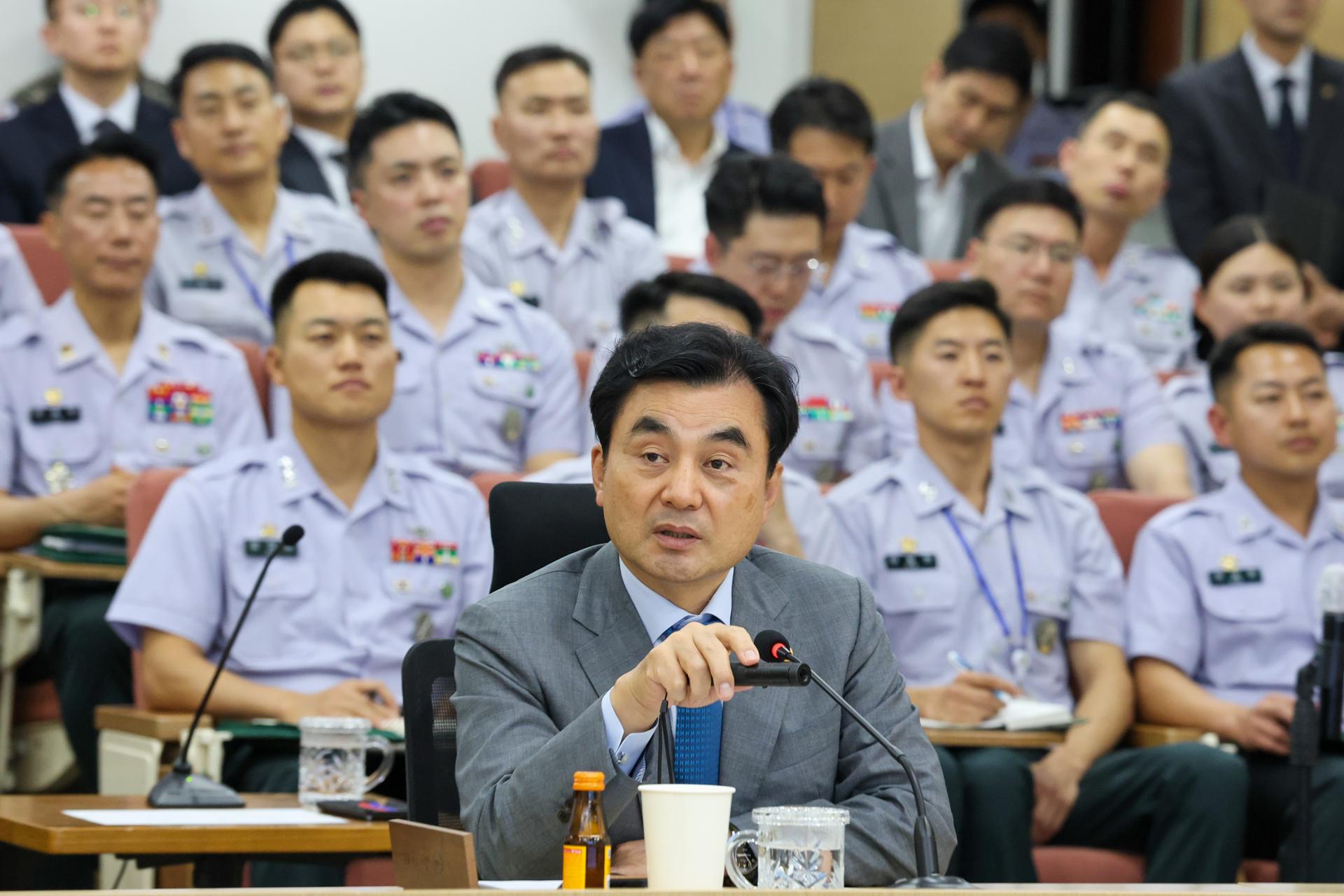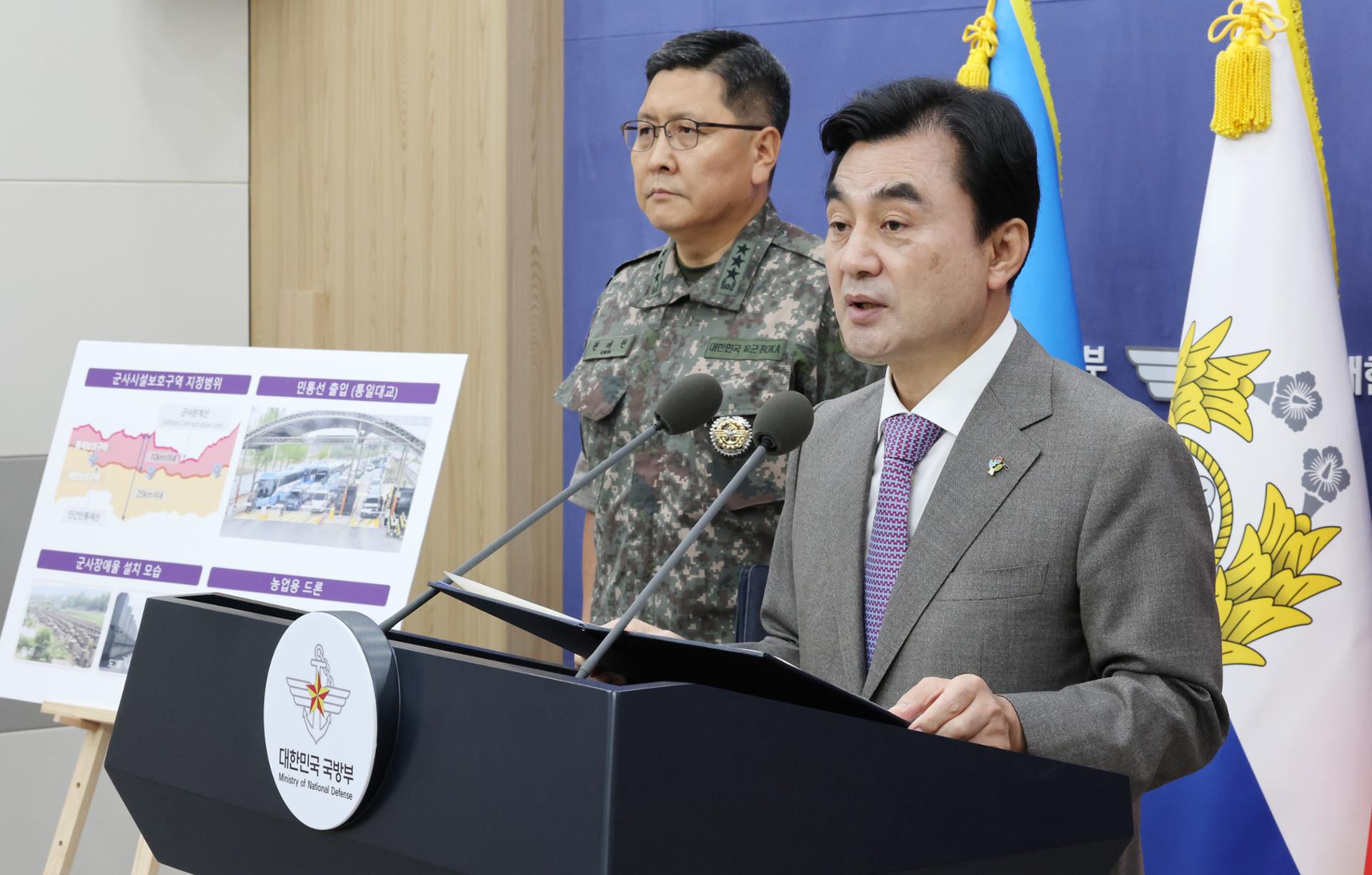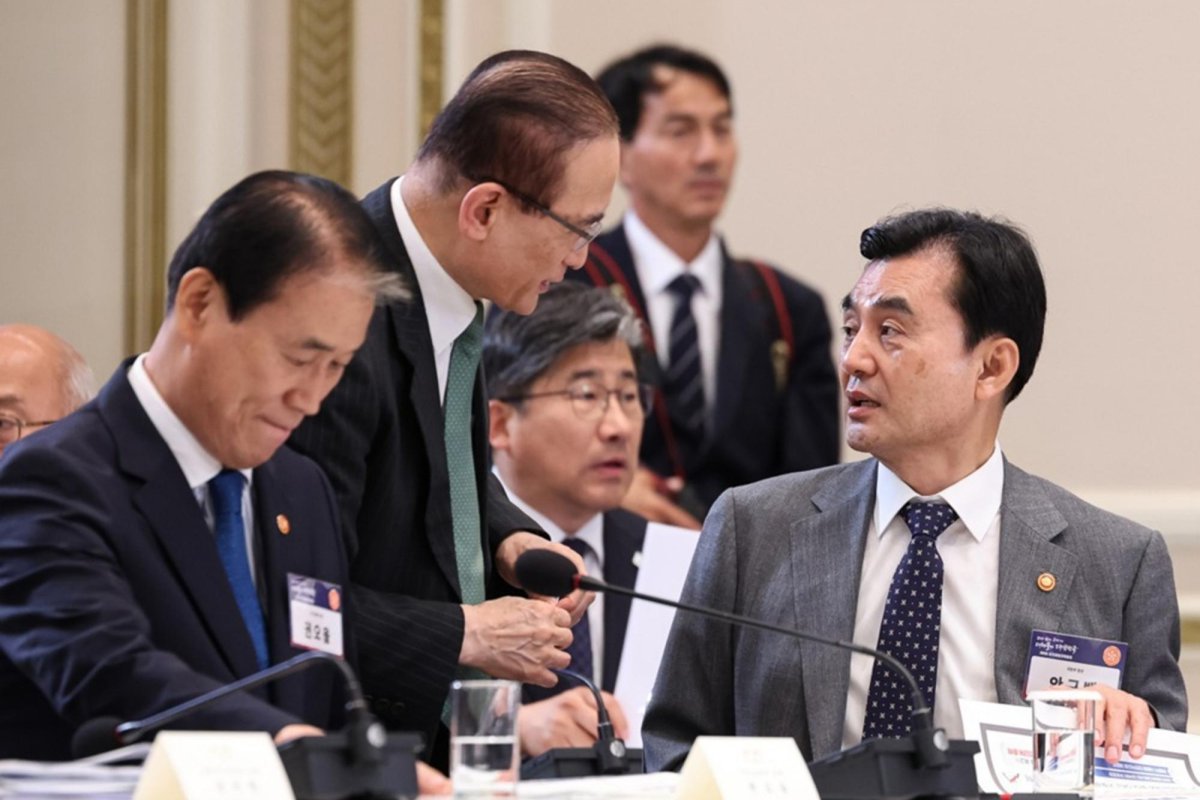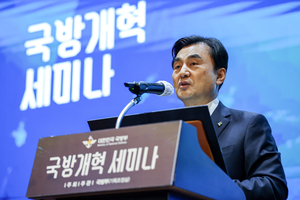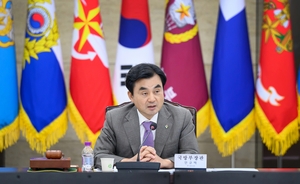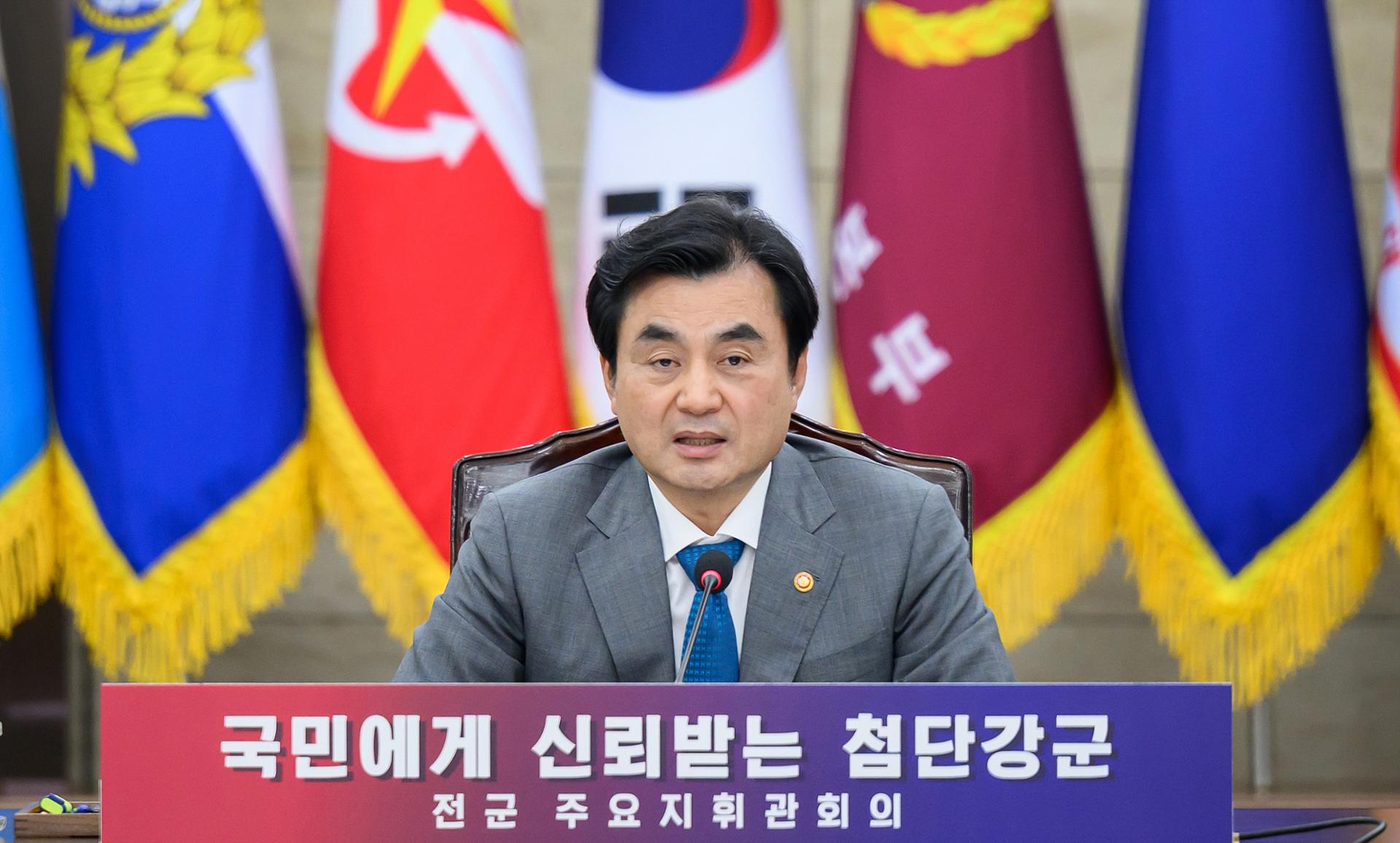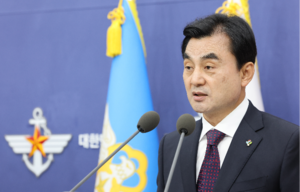
Defense Minister Ahn Gyu-back speaks during a press briefing at the headquarters in Yongsan-gu, Seoul on June 10. (Yonhap) South Korea’s defense minister is facing mounting criticism that his military reform plans are more focused on settling political scores than pursuing structural reform.According to the National Assembly’s public petition system, a petition calling for the impeachment of Defense Minister Ahn Gyu-back had drawn more than 92,000 signatures as of Monday, just four days after it was posted on June 18.Under the Assembly’s petition rules, a public petition that receives at least 50,000 signatures within 30 days of being made public is referred to a relevant parliamentary committee. Once referred, the committee reviews the petition and decides whether to send it to a plenary session. A screenshot from the National Assembly’s public petition system shows a petition against Defense Minister Ahn Gyu-back had received 93,790 signatures as of Monday. The petition was posted on Thursday. (National Assembly) Much of the petition centers on the ministry’s plan to dissolve the Defense Counterintelligence Command and disperse its counterespionage, security and defense industry-related intelligence functions to other agencies.The petitioner argued that the move would fundamentally alter military counterintelligence and could weaken the military’s security functions.“If the organization is dismantled or downsized without sufficient verification, it could create an intelligence vacuum and weaken response capabilities,” the petitioner said, adding that the National Assembly should examine whether the defense minister had fully considered the impact on national security.The Defense Counterintelligence Command, founded in 1977, is a military intelligence agency responsible for counterespionage, military security and the protection of defense-related information.The command has long been criticized for using its intelligence-gathering powers for political surveillance and intervention, while emerging as one of the most powerful institutions within the armed forces.The unit was found to have played a key role in former President Yoon Suk Yeol’s Dec. 3 martial law declaration, including organizing teams to detain major political figures.Earlier in June, Ahn said the plan to dissolve the command was aimed at preventing a recurrence of political intervention by a military intelligence unit and restoring its functions to their proper security-focused role.Critics, however, say the reform package appears driven more by an effort to punish institutions and personnel linked to Yoon’s martial law attempt than by a carefully designed plan to strengthen the military.The same petition also called for scrutiny of the ministry’s response to the death of a reservist who had been taking part in nighttime training in Pocheon, Gyeonggi Province, in May.Separately, another public petition opposing the ministry’s plan to merge the Army, Navy and Air Force academies also surpassed the 50,000-signature threshold Monday.Posted on June 16, the petition argued that an unverified and hasty restructuring of the service academies could create confusion in the officer training system and weaken national security capabilities.The ministry is currently reviewing a plan to create a tentative “Korea Armed Forces Academy” by integrating the three service academies. Under the plan, the Korea Military Academy, currently located in Nowon-gu, northern Seoul, is also expected to be relocated to Jangseong, South Jeolla Province.Like the counterintelligence command, the service academies have faced criticism for fostering closed elite networks within the military.Critics of the existing system have argued that academy-centered career structures have encouraged factionalism among senior officers and excessive sensitivity to political power.During a meeting with reporters in April, Ahn said the ministry needed to improve the efficiency and competitiveness of officer education, citing a sharp decline in entrance scores for the service academies.“The entrance scores of the service academies have fallen sharply,” Ahn said at the time. “We need to enhance their competitiveness through integration.”Ahn, a five-term lawmaker of the ruling Democratic Party of Korea, was named defense minister by President Lee Jae Myung in June 2025 and formally took office the following month.
Defense minister faces growing backlash over military reform plans
South Korea’s defense minister is facing mounting criticism that his military reform plans are more focused on settling political scores than pursuing structura
632 words~3 min read