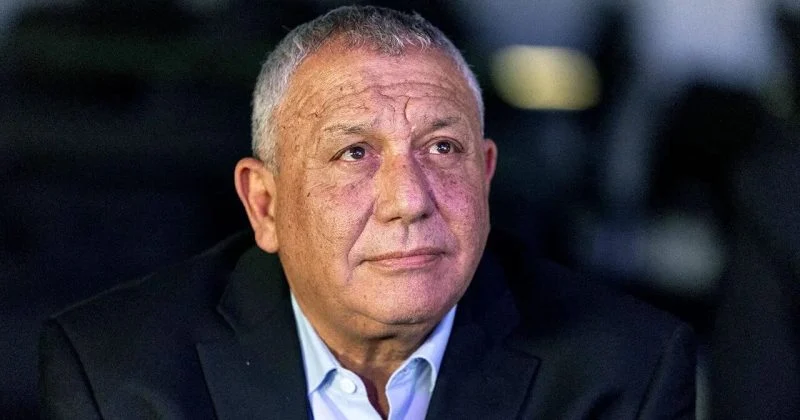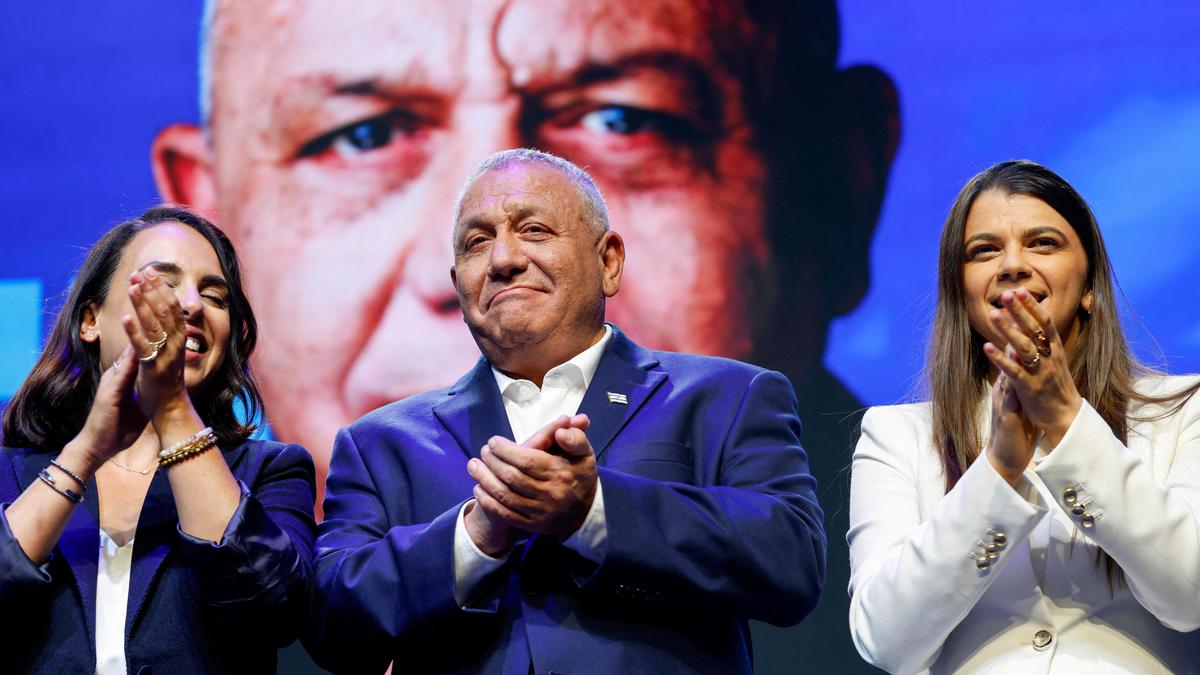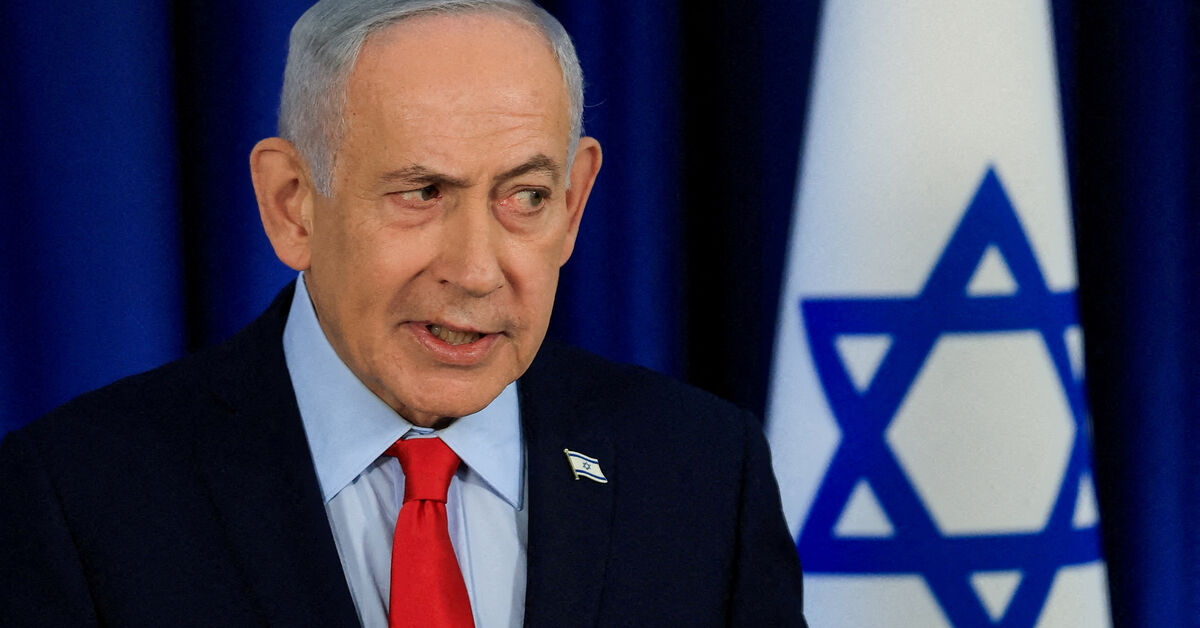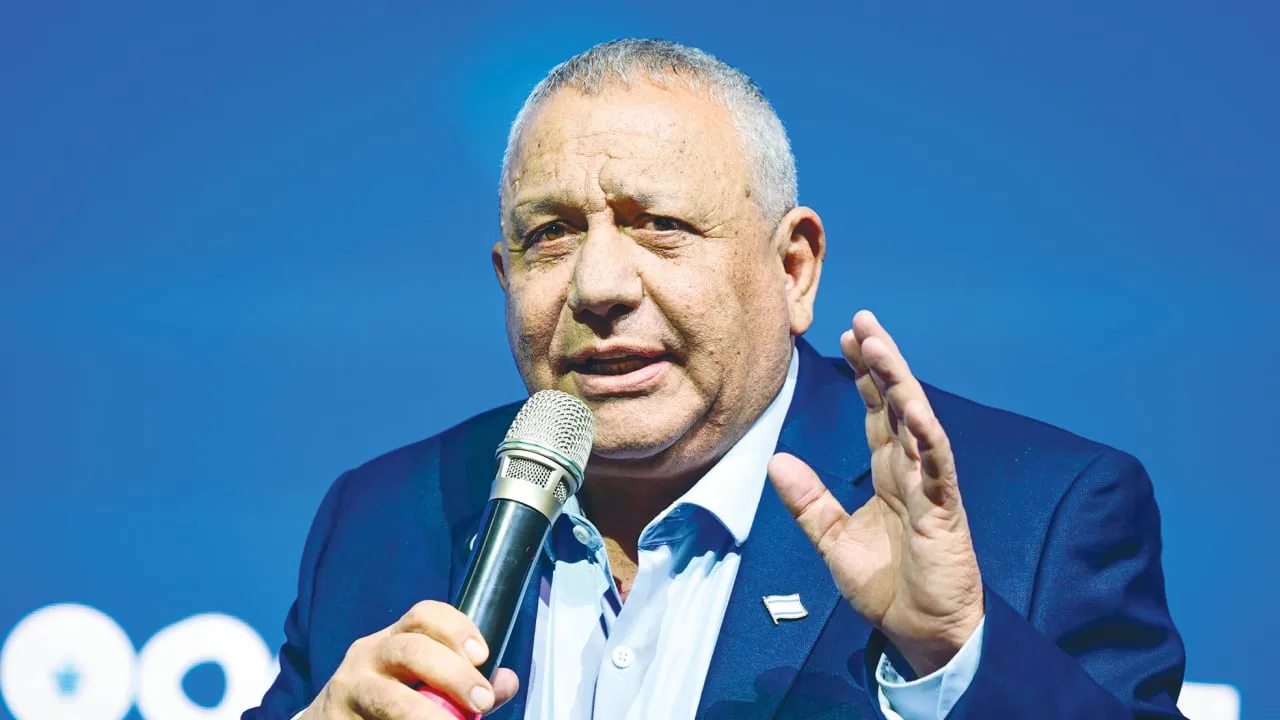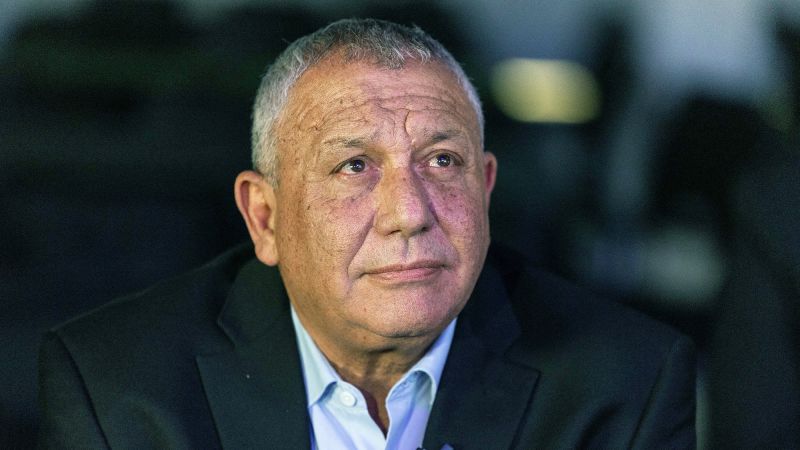
In the lead-up to Israel’s October 2026 parliamentary election, Benjamin Netanyahu faces a formidable challenge from Gadi Eisenkot, a former IDF Chief of Staff. Eisenkot, who has gained traction due to public dissatisfaction with Netanyahu’s handling of the ongoing Israel-Hamas conflict, now stands nearly neck-and-neck with the incumbent in polls. Eisenkot’s Yashar party has been bolstered by his personal story and his independent approach, which contrasts with Netanyahu’s longstanding political strategies. This development comes amid a broader call for change, as a significant portion of the Israeli public expresses discontent with the current administration’s war management.
Key Takeaways
Market pricing suggests a growing perception of vulnerability in Netanyahu’s position as prime minister, driven by Eisenkot’s rising support.
The odds for Netanyahu’s ouster by the end of 2026 have decreased, yet remain significant, reflecting ongoing uncertainty and potential political shifts.
Eisenkot’s independent stance and public support appear to be consistent with scenarios where Netanyahu could face increased challenges leading to a potential change in leadership.