Story audio is generated using AI
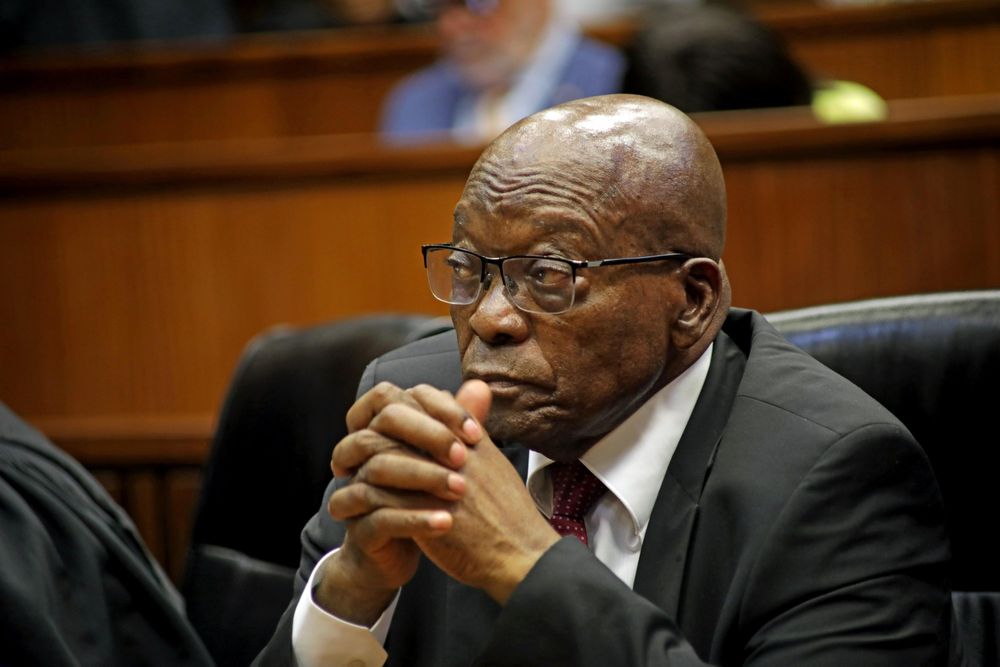
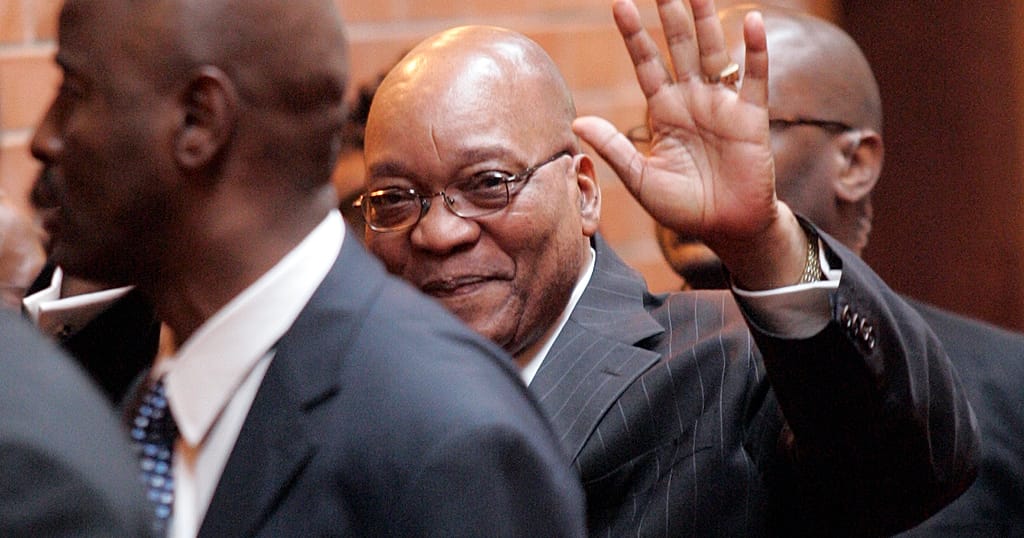
Former president Jacob Zuma’s attempt to evade paying back the state R28.9m, which taxpayers forked out for his personal litigation, will fail for a third time before the Constitutional Court, state attorney deputy head Isaac Chowe argues. Zuma faces attachment of his property and presidential pension should he lose the appeal in the apex court and fail to pay the money as directed by a court order. The former head of state seeks to appeal a court order by judge Anthony Millar of the high court in Pretoria. The order directs Zuma to pay back R28.9m in legal fees. These fees were incurred in his personal criminal trial in the arms deal litigation but were paid by the state attorney during his presidency tenure. The presidency and the state attorney procured private legal services for Zuma in the criminal case, but in 2018 the high court in Pretoria found that funding the costs was unlawful. Millar, in October 2025, ordered Zuma to pay R28m, with interest, when the presidency and state attorney brought the matter back to court after finalising calculations of how much the state paid in Zuma’s criminal and civil litigations. Millar ordered that if Zuma fails to pay the money, the state attorney be directed to have a writ of execution for the attachment of his property and his presidential pension benefit. Zuma is fighting the order on the basis that the unlawful decision to fund his legal fees was taken by the state, and therefore he cannot be ordered to pay. Chowe, representing the presidency, state attorney and solicitor-general of South Africa, argues Zuma has no prospects of success in the appeal after the high court and the Supreme Court of Appeal (SCA) dismissed his attempts to overturn the judgment. “The applicant has failed to show that there are reasonable prospects that this court will reverse or materially alter the decision of the court a quo,” he argues in the presidency’s papers filed with the top court. “In the premises, the application for leave to appeal should be dismissed with costs.”The former president’s appeal is also opposed by the ANC’s biggest GNU partner, the DA. Zuma challenges the court order, arguing a full court, which decided on the merits of the case in 2018, did not rule that he “personally” pay the R28.9m but ordered the state attorney to “take all necessary steps, including the institution of civil proceedings, to recover the amounts paid by the state for Mr Zuma’s legal costs”. Chowe describes Zuma’s legal arguments that the high court did not order he is liable to pay as “disingenuous”. “I find it very disturbing and quite disingenuous of the applicant to make the allegations,” Chowe says. “He was declared by the full court liable for the repayment of the money that was spent by the state on his behalf. Mr Zuma was acutely aware of this fact right from the outset. Now suddenly, in the recent application to the SCA and to this court, he boldly contends that there was no finding of unconstitutionality against him.” Zuma wants the apex court to set aside the court order directing him to pay; alternatively, the court rules that officials responsible for the decision to fund his personal litigation pay back the money. The SCA 2021 judgment reads: “A just and equitable remedy in this case, so found the high court, requires a full and complete accounting by the state attorney, under oath, and an order directing Mr Zuma to repay to the state the legal costs incurred on his behalf. Simply setting aside the decision to pay, without ordering an accounting and repayment, would achieve none of those crucial remedial objectives.” Chowe argues the court order for Zuma to pay back the money was not a surprise move. “Mr Zuma was and is still aware that he was never regarded as an innocent party,” he says. “I submit that he was the primary beneficiary of the unlawful, luxurious, litigious payments that were made on his behalf. It is very clear from the judgments of the full court and the SCA that he was found wanting, and that is the reason why the court a quo ordered him to make payment.” The court is yet to hear the matter.