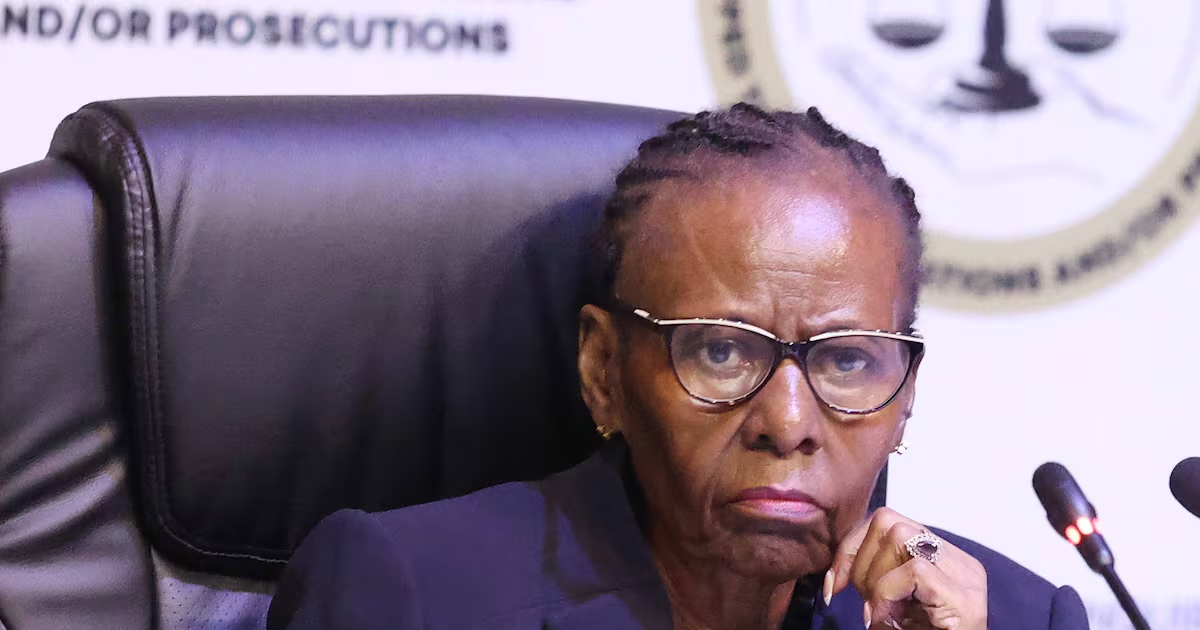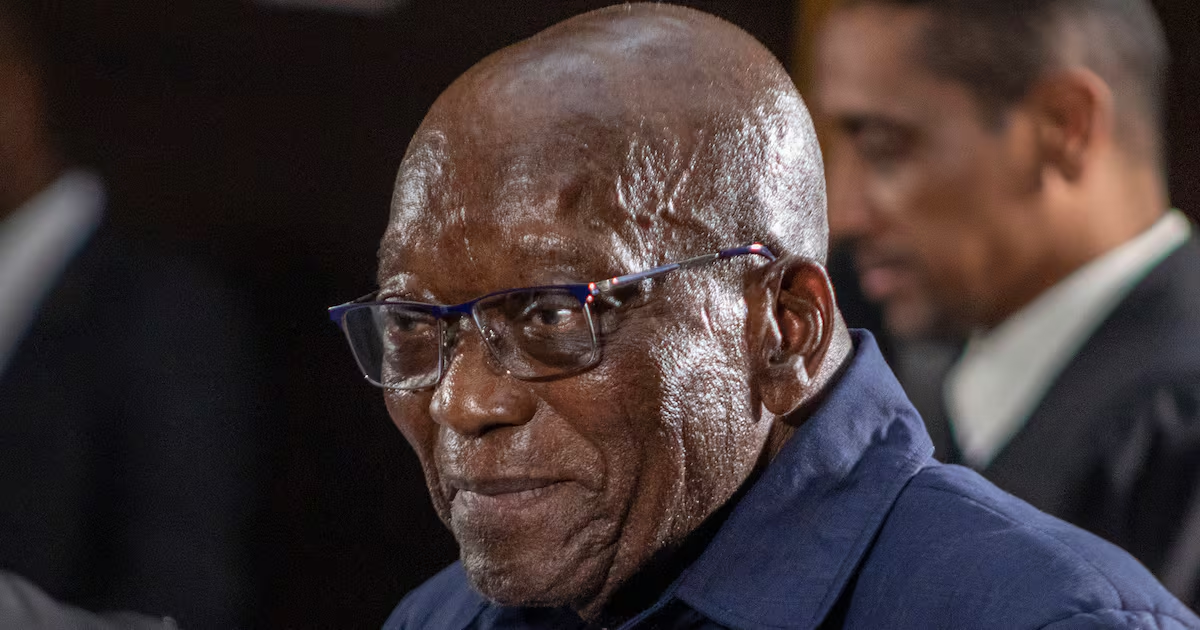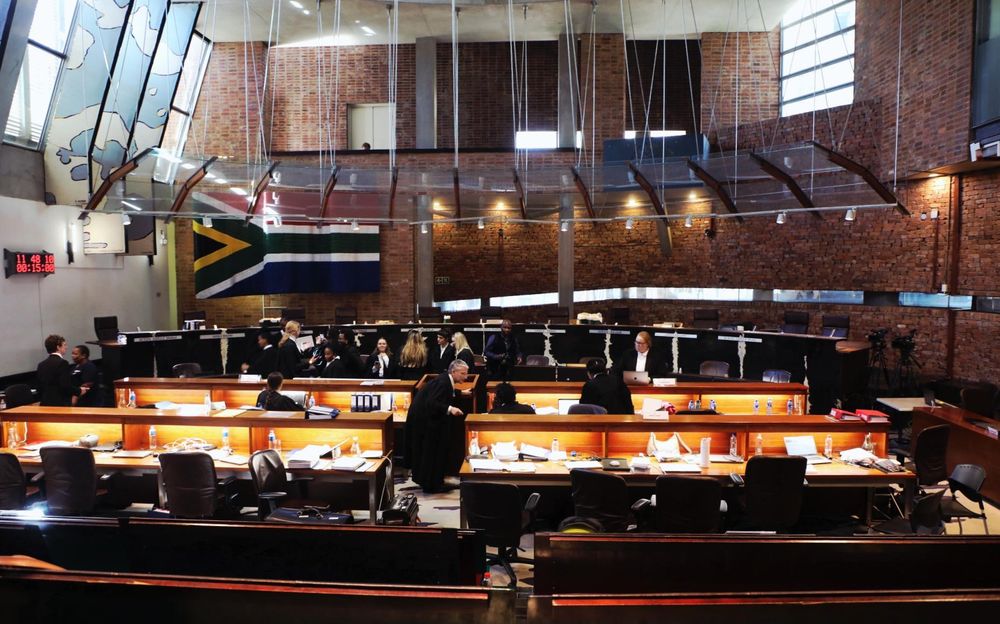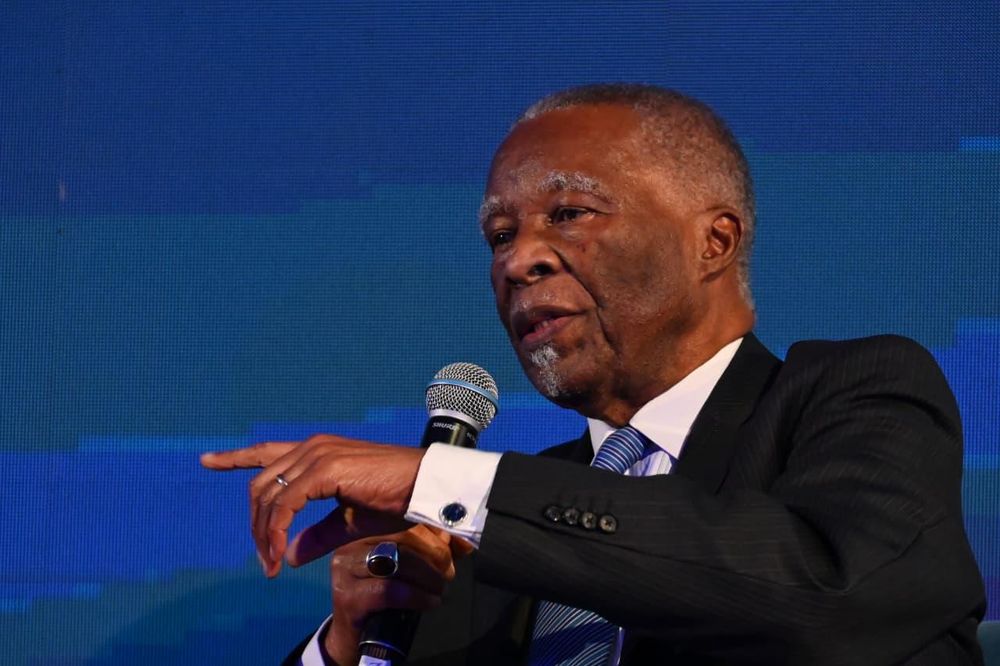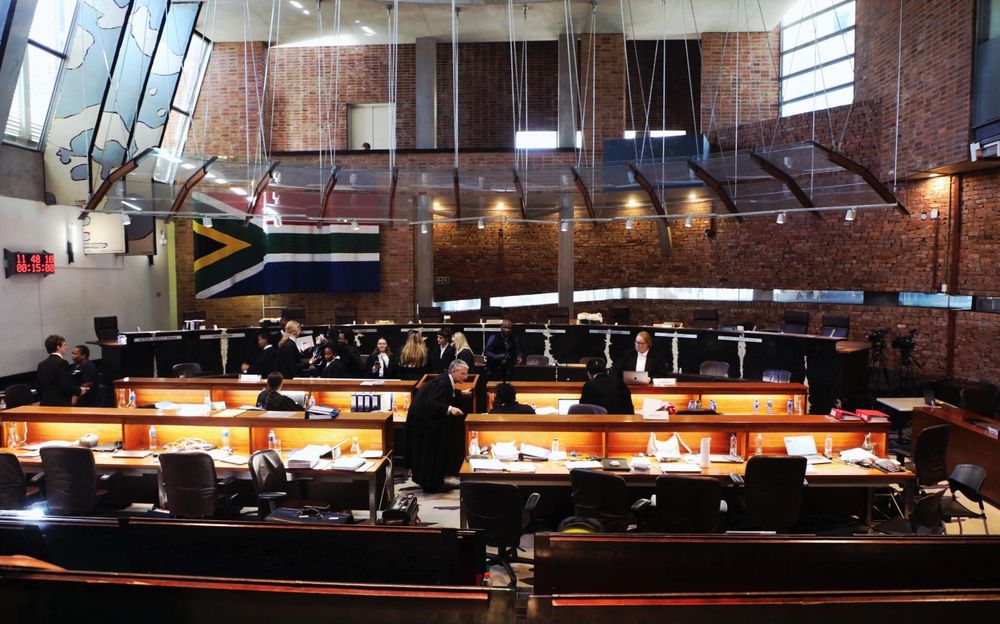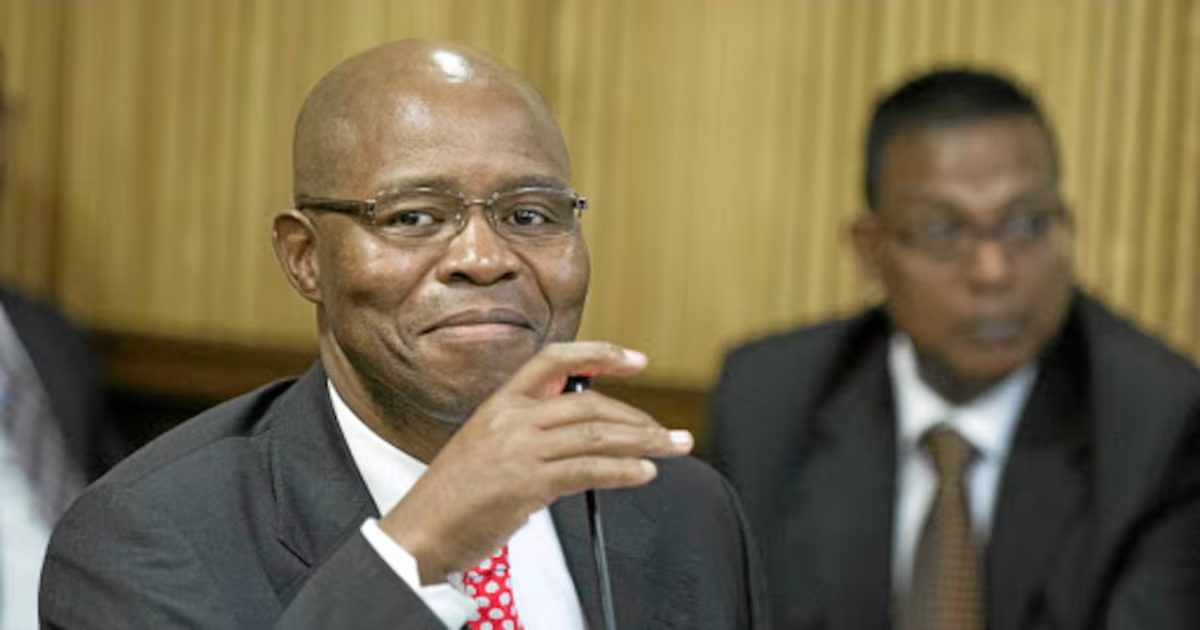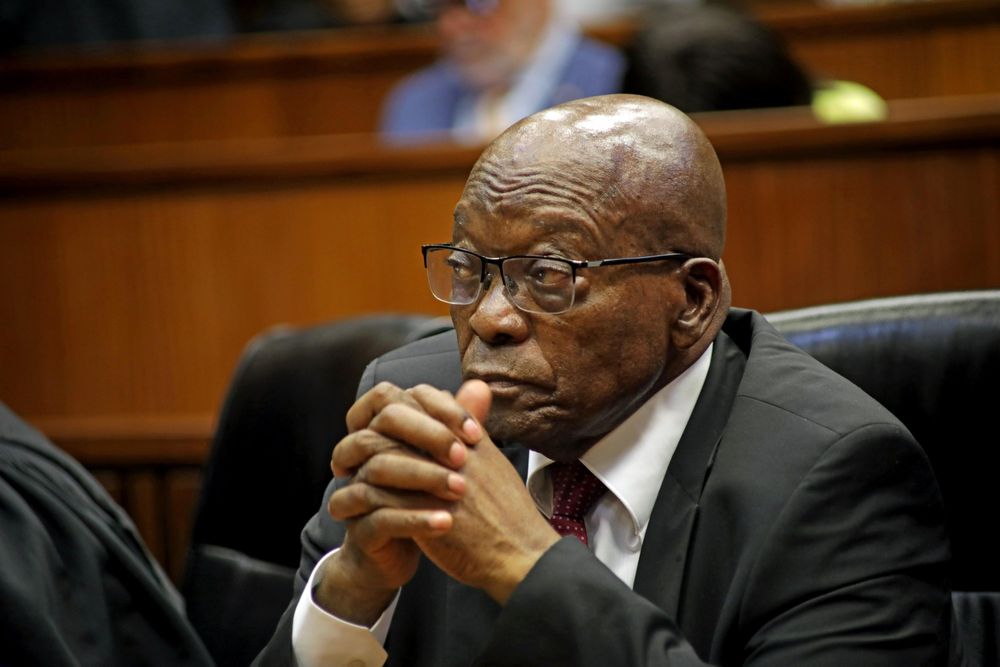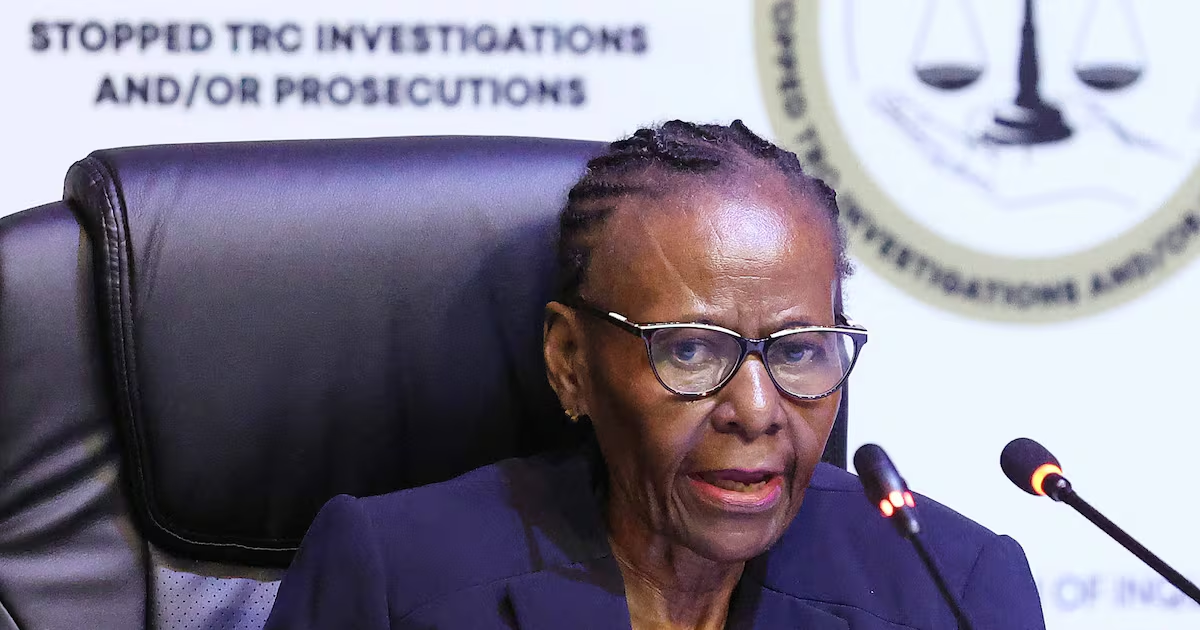
The litigation before the Constitutional Court by former presidents Jacob Zuma and Thabo Mbeki challenging retired justice Sisi Khampepe’s decision not to recuse herself as chair of her commission could collapse its work, the Constitutional Court heard on Monday. The former presidents have applied directly to the top court to appeal against a Johannesburg high court ruling which dismissed an urgent application seeking the removal of Khampepe as chair of the commission. The commission was established by President Cyril Ramaphosa in May 2025 to probe whether the failure of investigations by police and the National Prosecuting Authority (NPA) to prosecute the heinous apartheid crimes exposed by the Truth and Reconciliation Commission (TRC) was due to political interference. Should Mbeki and Zuma succeed, it could result in the work of the commission ― with a budget of more than R45m funded by taxpayers ― being reduced to a nullity. Adv Ngwako Maenetje, representing Mbeki, argued that once a member of a panel is found not to be part of a commission then the work of the commission or panel becomes a nullity. “The law has expressed itself in relation to proceedings where a panel member or the whole panel was disqualified, that is a nullity. That is a state of law. Whether that is automatic in every instance it may be something that this court has to debate if it reaches that point,” he said. Mbeki and Zuma want Khampepe removed as chair, questioning her impartiality due to the fact that she was a member of the TRC and its amnesty committee, appointed by late president Nelson Mandela in 1995, and served as the deputy national director of public prosecutions from September 1998 to December 1999. The high court dismissed the case, without considering merits, because the former presidents failed to seek permission from chief justice Mandisa Maya before litigating against Khampepe. Section 47 of the Superior Courts Act requires litigants in civil proceedings to seek permission before instituting litigation against a judge. The provision stands as a shield protecting judges from frivolous litigation. The case now before the highest court is the biggest legal test on the applicability of the section to judges or retired judges chairing commissions of inquiries. The country continues to fund commissions chaired by judges. Maenetje argued the section does not apply to Khampepe because the recusal application cited the office of the chair of the commission, not her personally, adding that Khampepe in her work at the commission was not undertaking a judicial function. “The proper interpretation of section 47 implicates the right to access court,” he said. The case before the court is a novel one, he argued, because no court has decided on whether the section applies to a retired judge chairing a commission of inquiry.Cases decided on the section, such as those against former chief justice Raymond Zondo, had different circumstances, Maenetje argued. Adv Dali Mpofu, representing Zuma, argued it would be a travesty of justice if the Constitutional Court does not decide on the application. Millions of rand will continue to be rolled out in “unlawful” proceedings,The applicants have applied to appeal against the judgment directly to the top court, bypassing the Supreme Court of Appeal (SCA), a fact that concerned the justices as applicants also want the court to be the first to decide on the merits.He said the court should decide on the case because victims of families of apartheid crimes should not be made to wait any longer in pursuit of closure of the investigations. He contended that when the case is decided on merits the findings of the commission would go to the “dustbin of history” if the court decides on the merits of the case and finds that Khampepe should have recused herself. Mpofu said the unlawfulness of the commission’s work is rooted in the commission being chaired by Khampepe, who worked in the NPA and should have been a witness, like her former boss, Adv Bulelani Ngcuka, and not a chair of the commission of inquiry. “There is no such thing as a judicial commission of inquiry. Section 82 (f) of the constitution says that the president is empowered to appoint commissions of inquiry,” he said. The commission’s representative, Adv Sarah Pudifin-Jones, argued that the fact that Zuma sought a personal cost order against Khampepe was an additional reason giving rise to the section 47 applicability in the litigation. Pudifin-Jones maintained the terms of reference of the commission do not affect Khampepe’s tenure in the NPA. The commission probe starts from 2003, long after she left the TRC. “When one looks at former president Zuma’s recusal application he does not simply attack justice Khampepe, he launches direct and highly personal attacks including her decisions as a sitting judge of this court. He accuses her of a travesty of justice.“He seeks personal cost from her. This we say is precisely the kind of retaliatory litigation that section was designed to screen,” she said.
Zuma and Mbeki legal challenge ‘could ruin’ Khampepe probe work
Commission says Zuma’s personal cost order against Khampepe requires a judicial shield
827 words~4 min read