Story audio is generated using AI
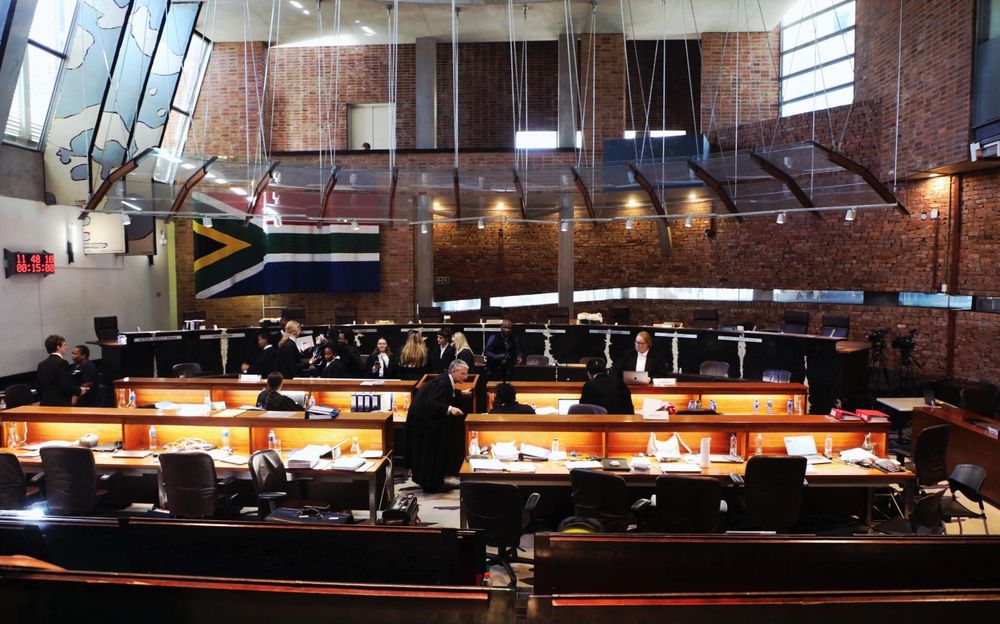
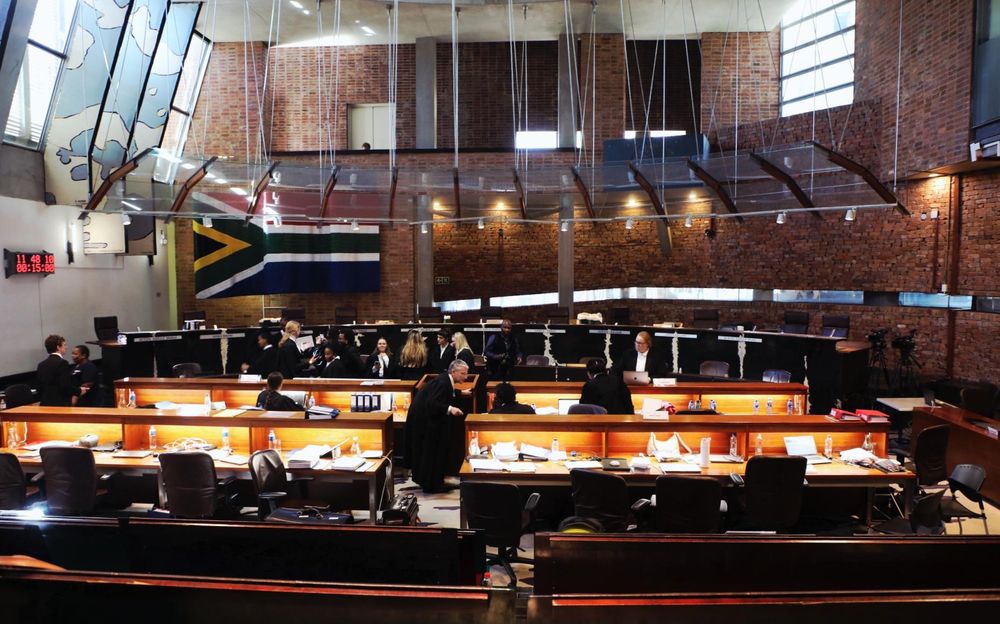
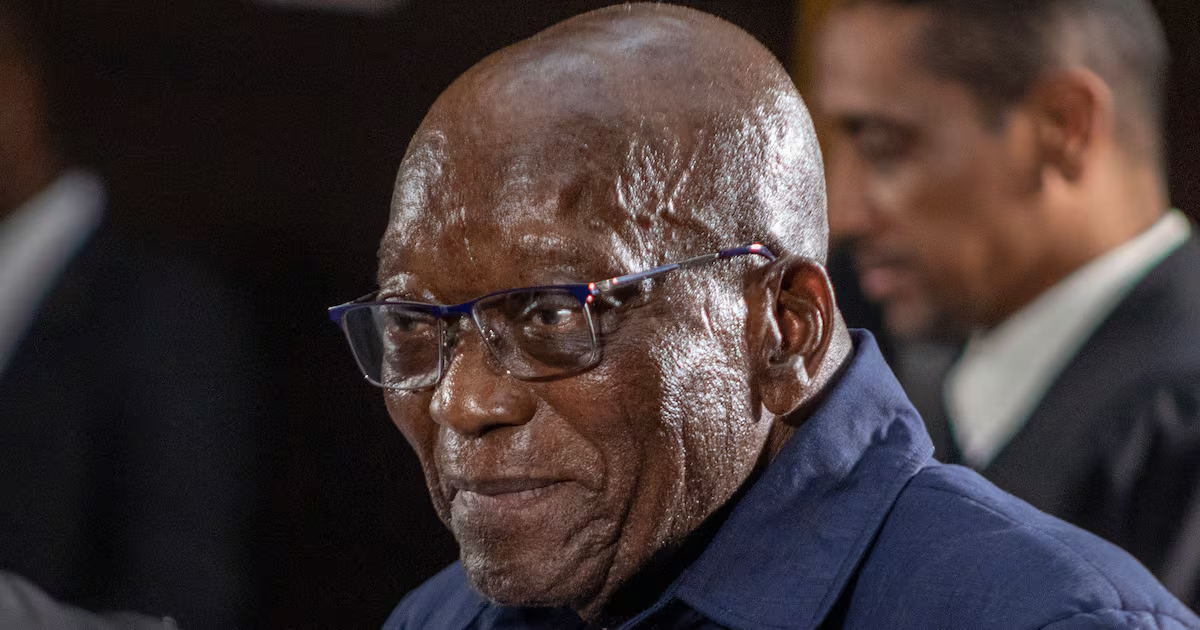
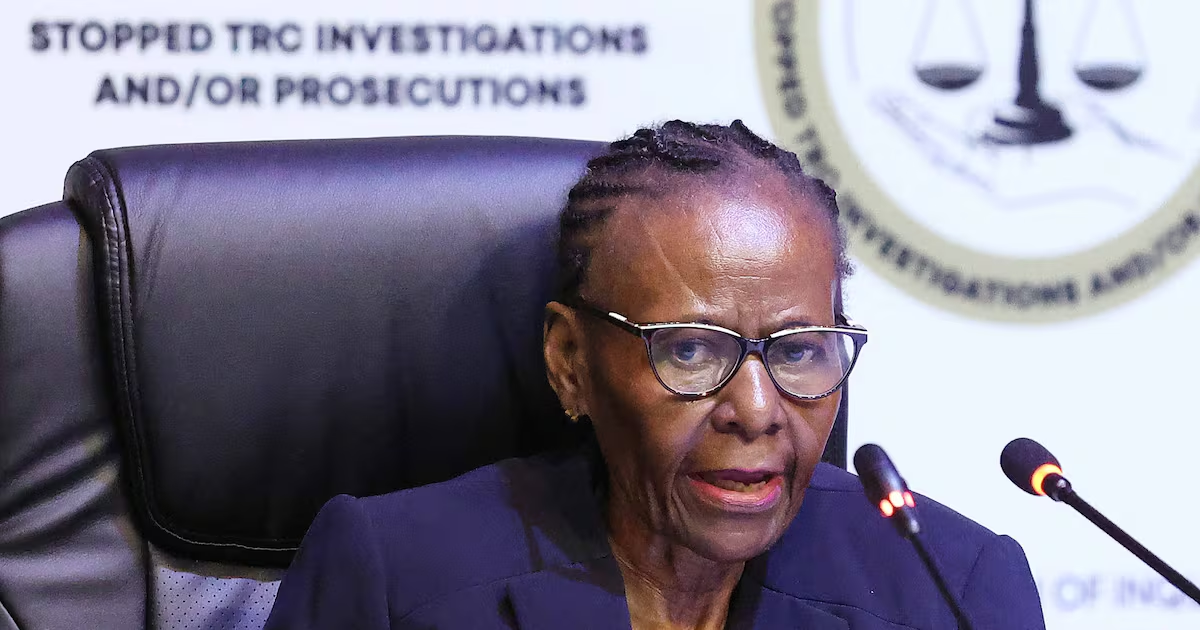
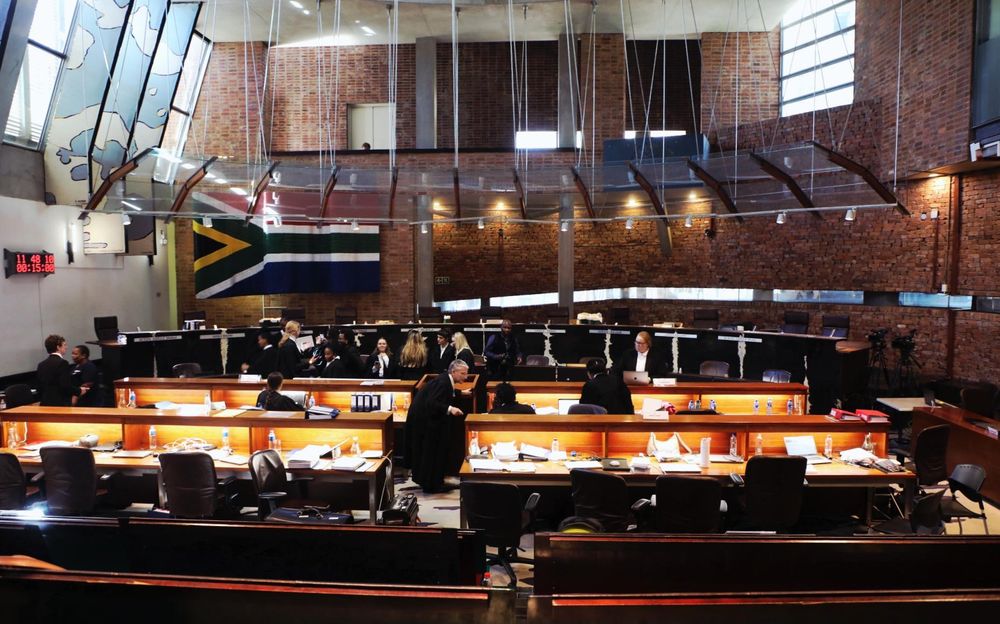
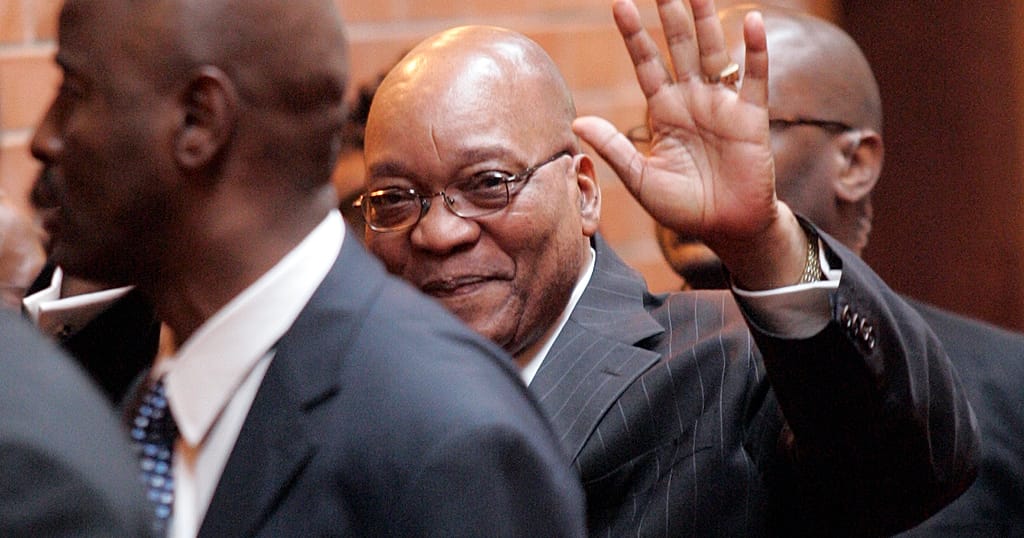
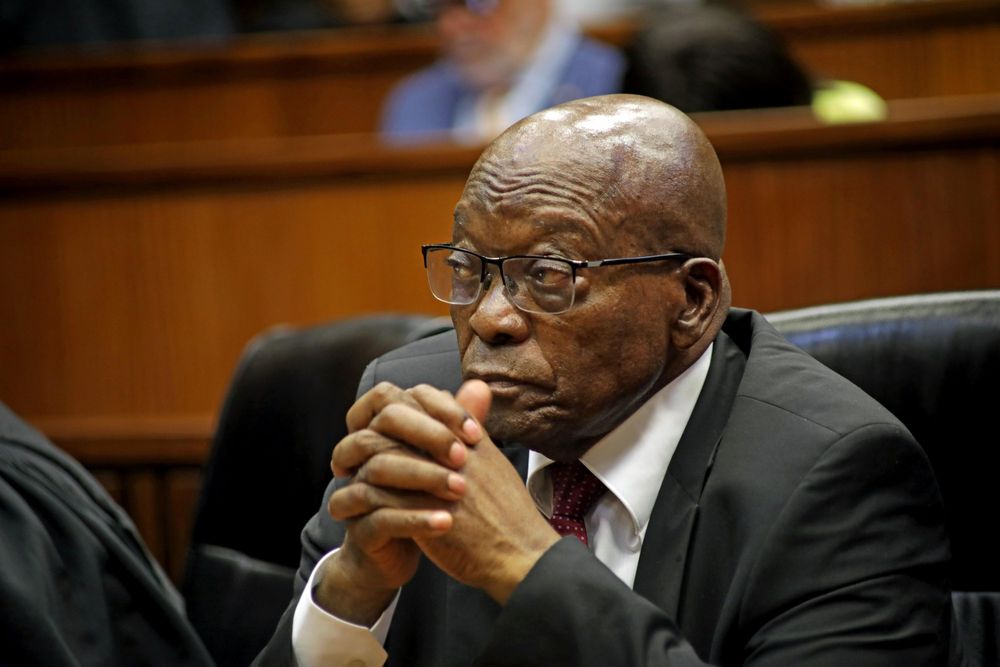
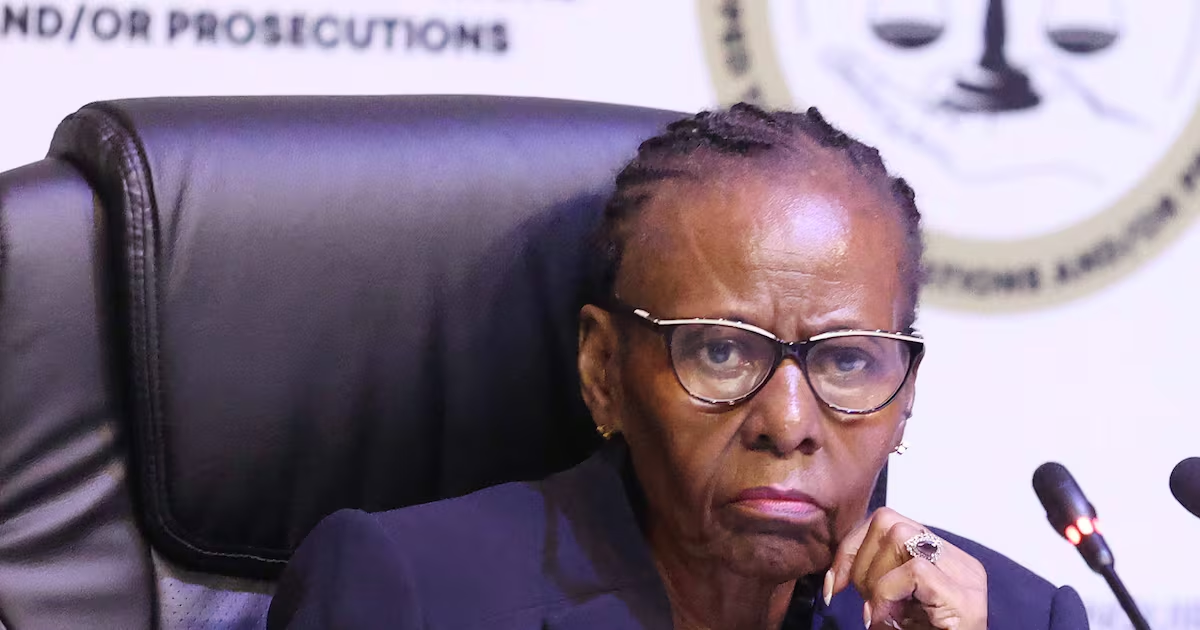
The Constitutional Court has set next month for hearing the legal challenge by former presidents Thabo Mbeki and Jacob Zuma seeking to have retired justice Sisi Khampepe removed as chair of a commission probing allegations of political interference in the delay of prosecutions of apartheid-era crimes. The case will be the biggest legal test of section 47 of Superior Courts Act, which states litigants in civil proceedings have to seek permission before instituting litigation against a judge. The provision stands as a shield protecting judges from frivolous litigation. The case now before the highest court marks a crucial moment for the court to provide clarity on whether retired judges chairing judicial commissions of inquiry enjoy the same legal shield as sitting judges do. The former presidents’ failure to obtain permission from chief justice Mandisa Maya before litigating against Khampepe led to the case being dismissed without consideration of the merits, in a majority judgment penned by judge Thifhelimbilu Mudau in March, in the high court in Johannesburg. This week the top court issued directives that the appeal by former presidents seeking to overturn the dismissal of the case would be heard on June 29. Khampepe leads a commission probing whether the failure of investigations by police and the National Prosecuting Authority to prosecute the heinous apartheid crimes exposed in the Truth and Reconciliation Commission (TRC) was due to political influence. Even if section 47 applies to these proceedings, the majority erred in holding that noncompliance renders the proceedings void ab initio and that the court lacks jurisdiction to entertain them. The absence of consent does not deprive the court of that jurisdiction— Former president Thabo MbekiThe court bid by Mbeki and Zuma is pinned on the fact that Khampepe was a member of the TRC and its amnesty committee, appointed by the late president Nelson Mandela in 1995, and served as the deputy national director of public prosecutions from September 1998 to December 1999. The former presidents want Khampepe’s decision not to recuse herself as chair of the commission declared unconstitutional and set aside.Zuma wants the top court to uphold the appeal and grant relief that was sought in the high court. Zuma, in the high court, had sought an order directing Khampepe be removed as the chair and member of the commission.Should the ConCourt not grant the relief sought in the high court, Zuma wants the matter to be remitted to the high court and decided on its merits. In the appeal, Mbeki argues that there was no need to seek permission from the chief justice before initiating a legal challenge against Khampepe. He contends that even if the high court found against him, the flaw in procedure was not grounds for the court not to decide on the merits of the case. “Even if section 47 applies to these proceedings, the majority erred in holding that noncompliance renders the proceedings void ab initio and that the court lacks jurisdiction to entertain them,” Mbeki argues. “The absence of consent does not deprive the court of that jurisdiction.” In court papers, commission evidence leader Ishmael Semenya describes the application as a delay to the proceedings in which the former presidents must respond to allegations that the executive — during their tenures as head of state — interfered in the prosecution of apartheid-era crimes. “Until now, the applicants have not appeared before the TRC to provide their account of events. This application has effectively resulted in the applicants delaying their appearance before the TRC. Consequently, the application is an abuse because it prolongs and delays the appearance of the applicants to account before the TRC,” Semenya argues. The NPA has failed to prosecute numerous apartheid-era crimes and has secured only a few convictions. Business Day