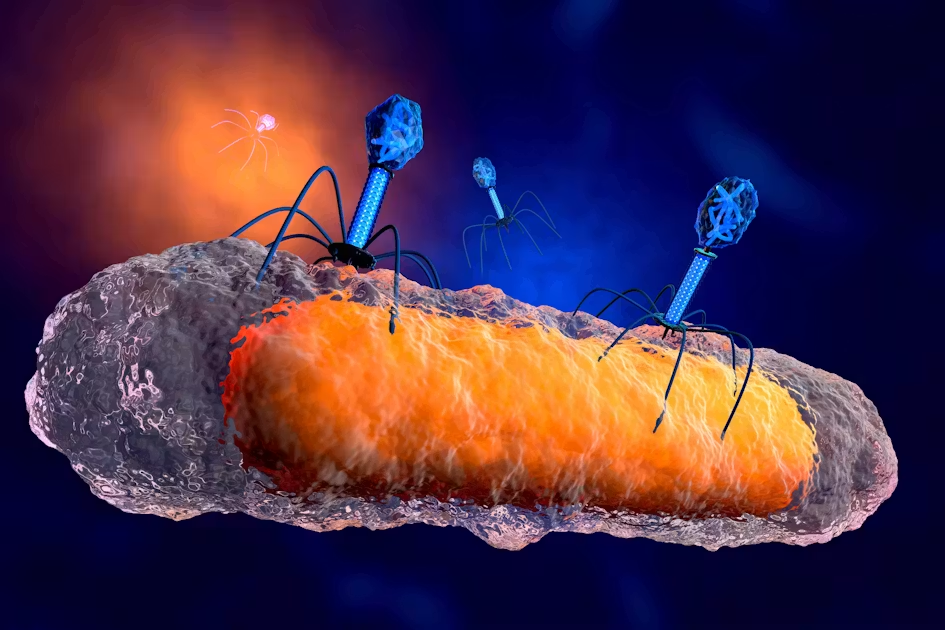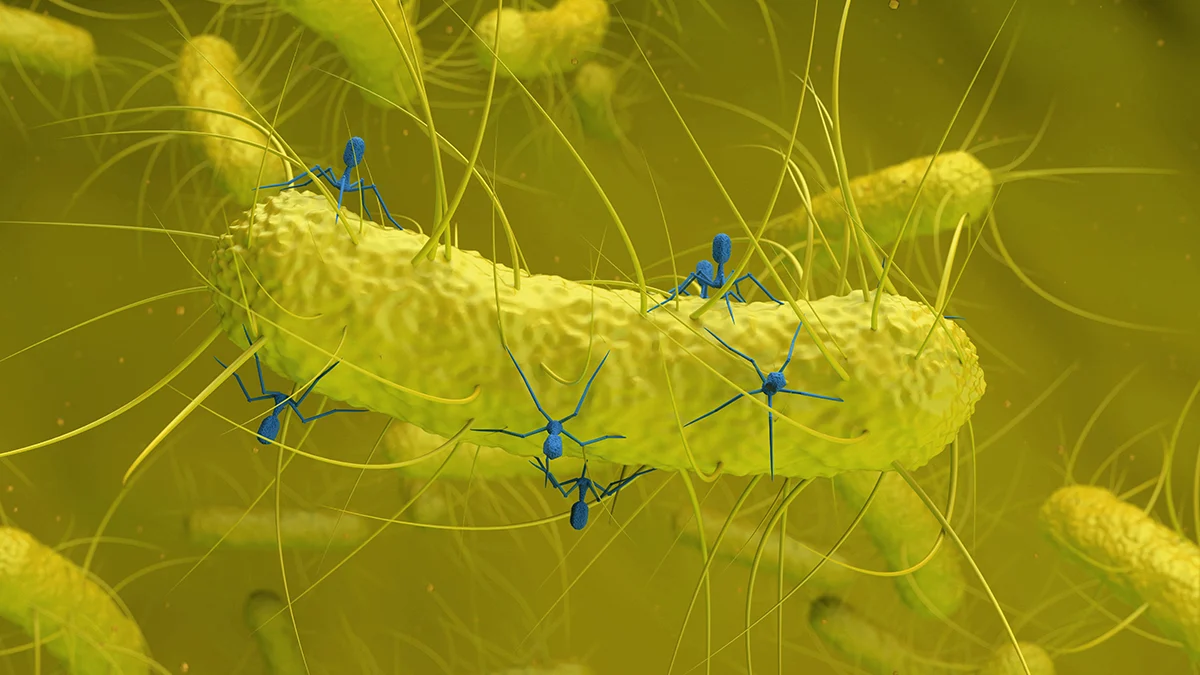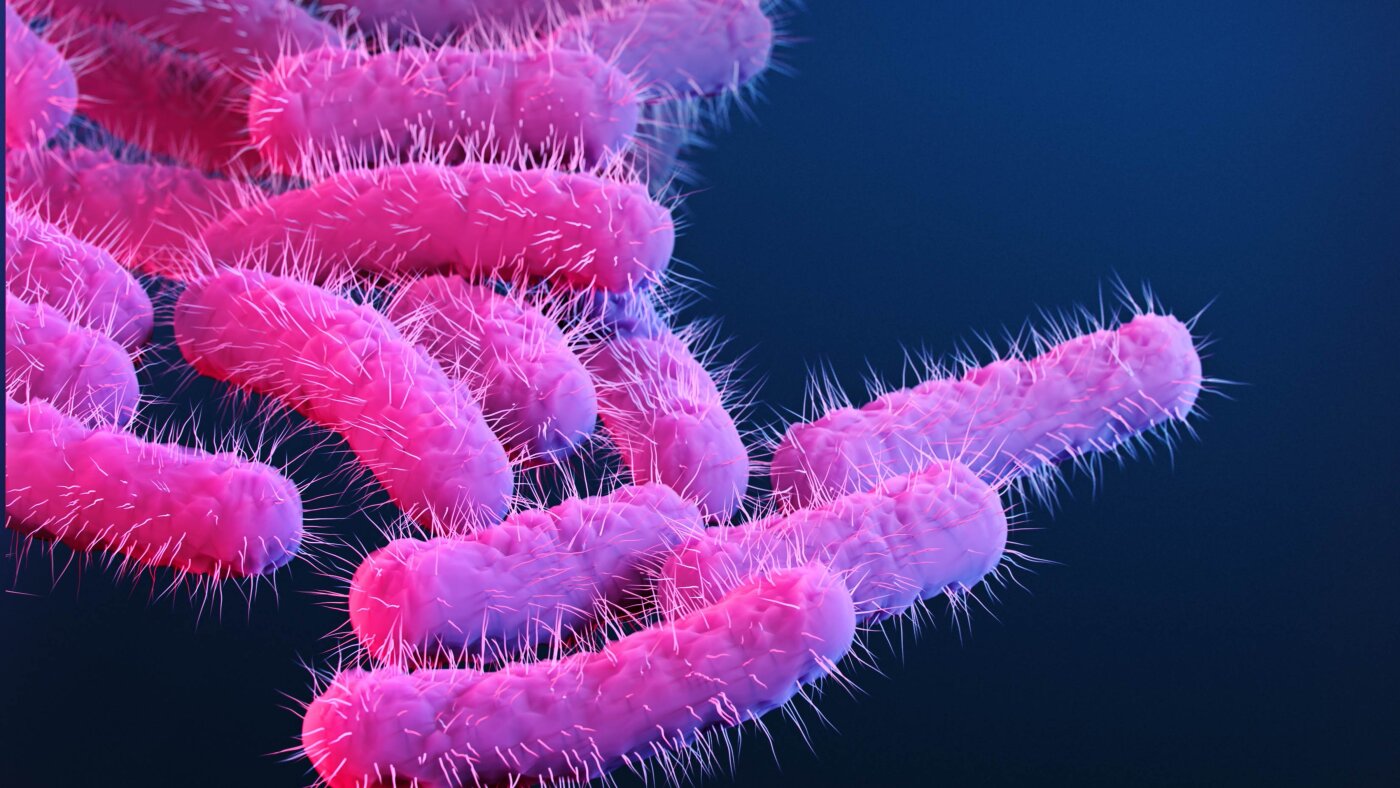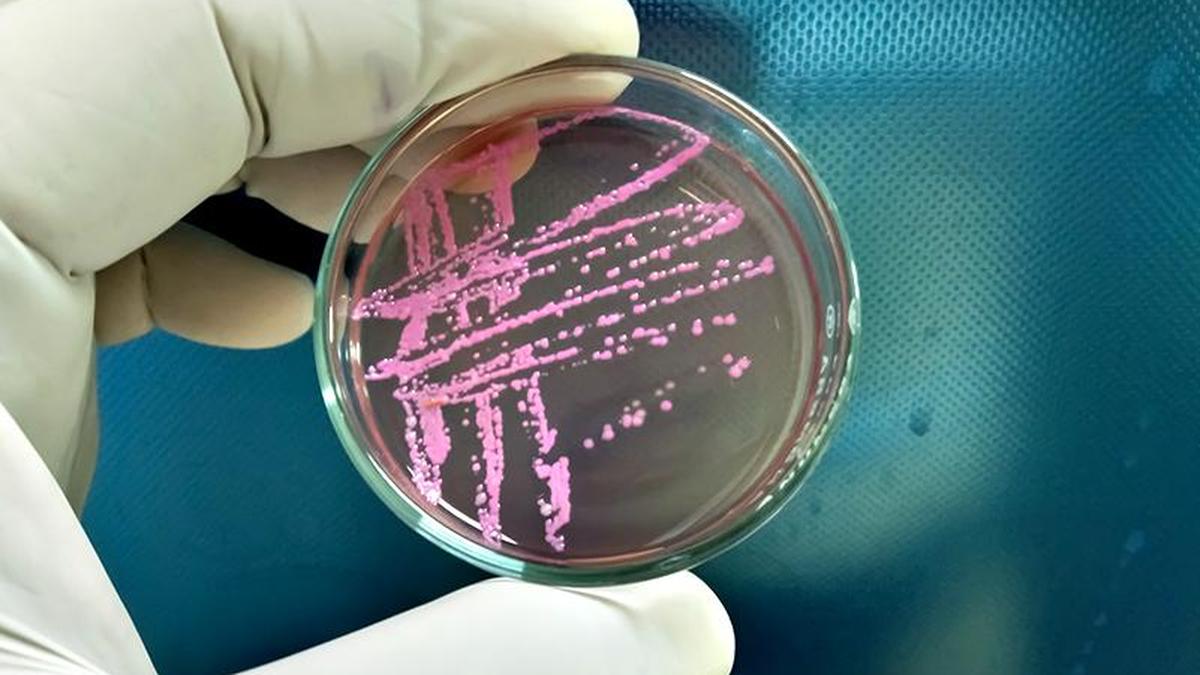
Enterotoxigenic E. coli and Shigella are responsible for hundreds of millions of infections worldwide each year and remain among the leading causes of fatal diarrheal disease, particularly in children. Despite decades of research, scientists have not yet developed effective vaccines against either pathogen. One major challenge is that the bacterial features typically targeted by vaccines vary widely between strains.
Now, researchers at Washington University School of Medicine in St. Louis have identified a biological vulnerability shared by these dangerous gut bacteria, raising the possibility of a single vaccine that could protect against both.
A team from WashU Medicine, working with collaborators at the University of Missouri and the International Centre for Diarrhoeal Disease Research in Bangladesh, found that enterotoxigenic E. coli (the leading cause of travelers' diarrhea), Shigella, and several other disease-causing bacteria depend on three closely related enzymes to penetrate the gut's protective mucus layer and establish infection.
Using samples from infected patients and volunteers who had been exposed to the bacteria, the researchers showed that antibodies directed against a common region of these enzymes can neutralize all three. By blocking the enzymes, the antibodies prevent the bacteria from crossing the intestinal mucus barrier.