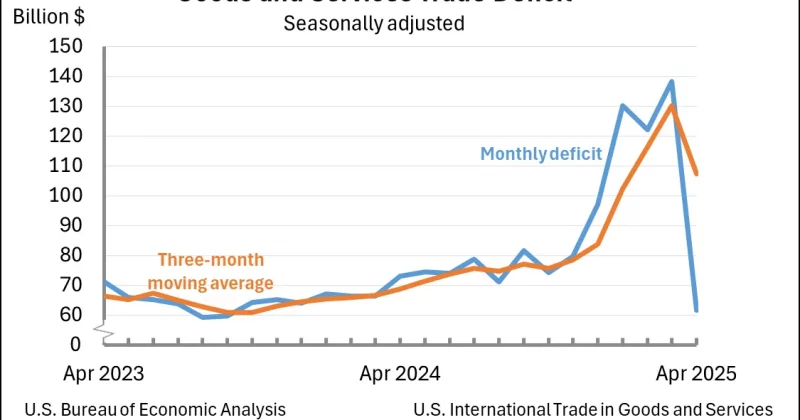
Australia’s trade balance has reversed. The Australian Bureau of Statistics reported that the March quarter of 2026 produced a goods and services trade deficit of A$2.4 billion, flipping from a modest A$1 billion surplus the quarter before. By May, things got worse: a goods trade deficit of A$3.02 billion, the widest gap since 2015.
What’s driving the reversal
Exports fell while imports kept climbing. May exports dropped 6.9%, dragged down by declines in non-monetary gold, iron ore, and coal. Cyclones Koji and Mitchell disrupted mining operations and shipping logistics across key export corridors. Gold shipments alone fell by more than A$2 billion.
Meanwhile, imports rose roughly 3%, fueled by surging purchases of data center equipment and fuels. The current account deficit ballooned to A$27.1 billion in the first quarter of 2026. As a share of GDP, that’s the largest since June 2016.
Australia hadn’t posted a quarterly trade deficit since December 2017. The surpluses that followed were built on a resources-mining investment boom and China’s appetite for raw materials.