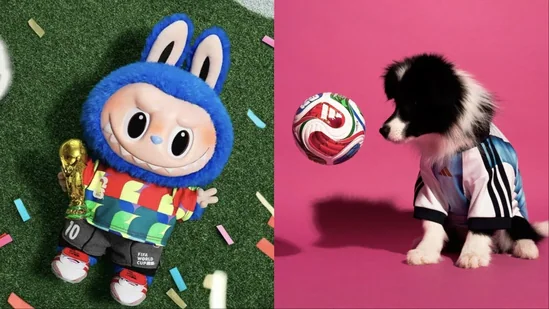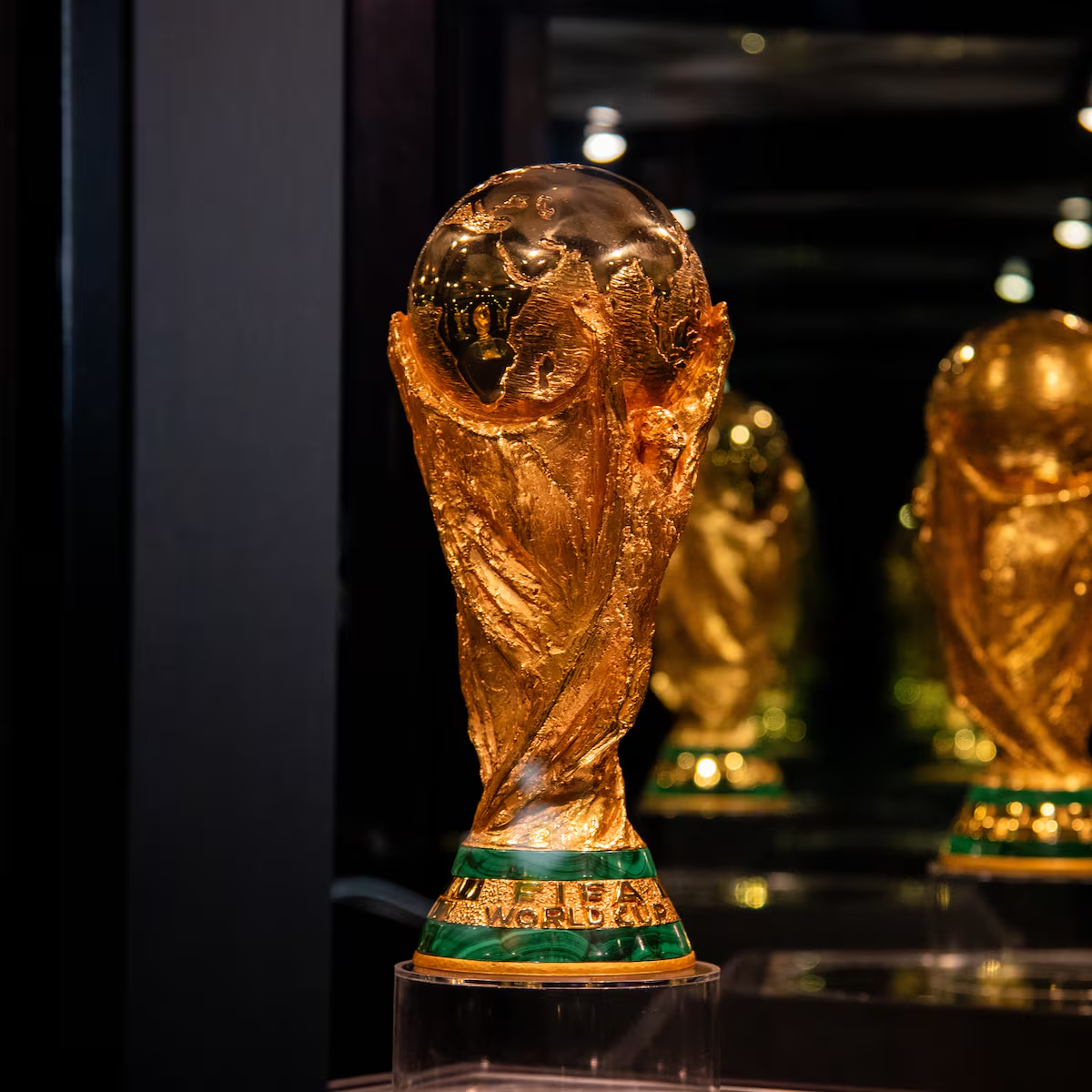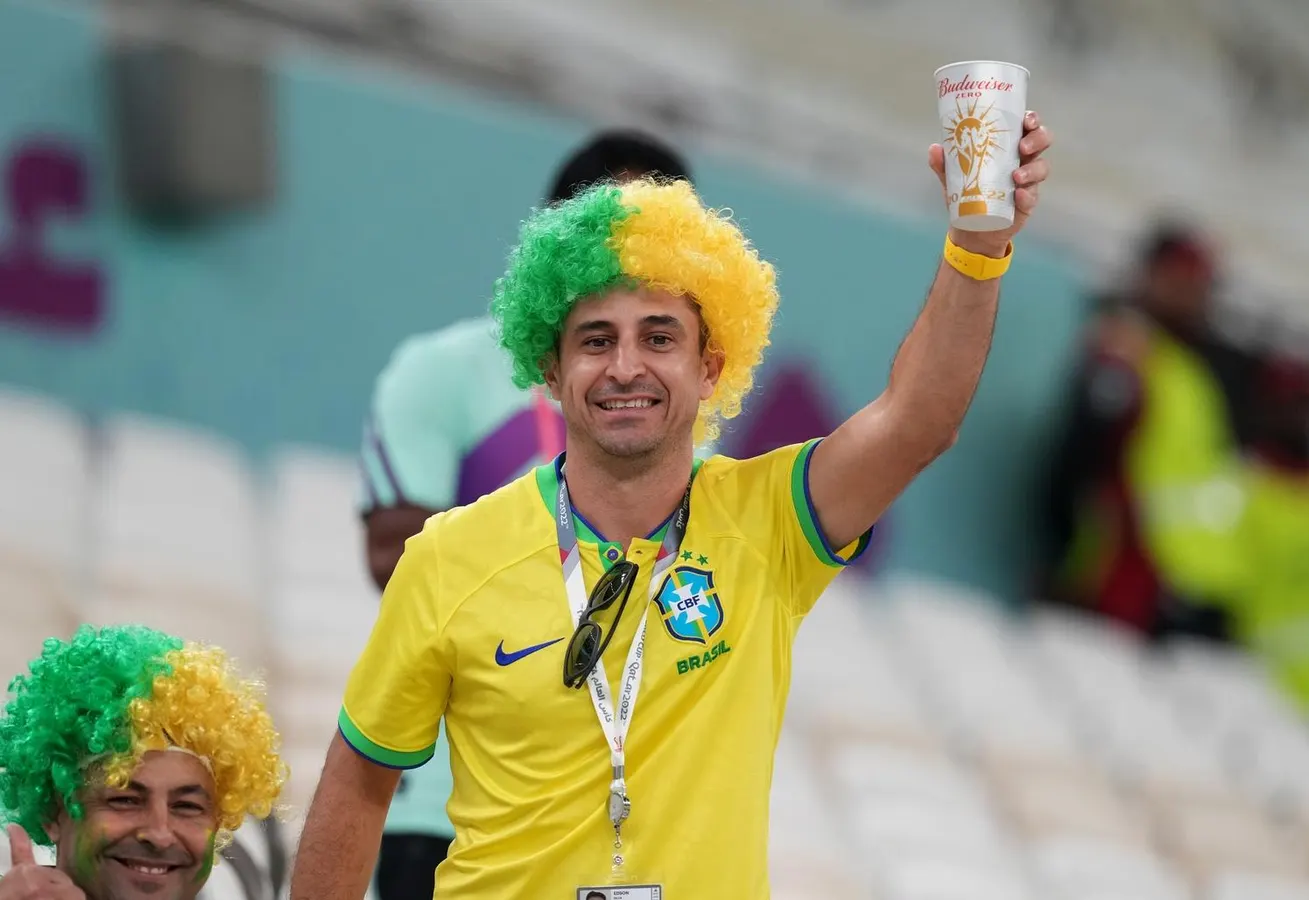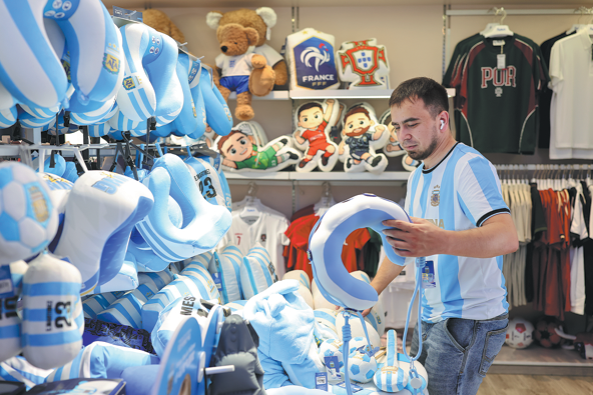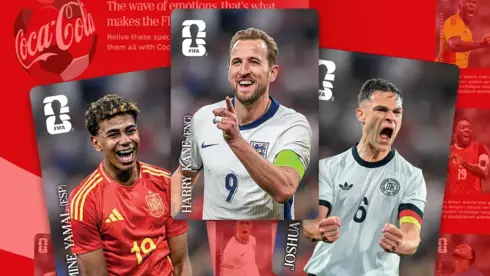
From more than a billion Coca-Cola bottles with collectible Panini stickers to Budweiser cans and personalized footballs, World Cup 2026 has become a showcase for digital printing, and much of it is powered by HP Indigo in Ness ZionaImagine walking out of AT&T Stadium in Arlington, Texas, minutes after Argentina beats Austria in a World Cup match. You step into the scorching heat, walk over to a stand and order a foot-long corn dog and a bottle of beer.On the bottle label are the date of the match, the final score, Argentina 2, Austria 0, and a picture of Lionel Messi scoring the goal that made him the World Cup’s all-time leading scorer that very day. That would be quite a souvenir.This is not a sports column, though. The truly exciting part here is the ability to digitally print updated data almost in real time and place it immediately on consumer products. Bottles updated at the final whistle are not here yet, but the world’s biggest brands are already showing off impressive mass-personalization capabilities.Take Coca-Cola, which launched an interactive packaging campaign with sticker company Panini involving more than a billion bottles that instantly became collectibles. The bottles were printed using digital technology with labels called “Peel, Sip, Collect.” Under each label is a personalized World Cup player sticker, meant to be placed in the official World Cup album.Budweiser, meanwhile, is marking 40 years with a nostalgic campaign called Budstalgia, featuring 11 collectible can and bottle designs produced using digital printing. Each design is dedicated to a different World Cup from the past four decades. Snack giant Lay’s also launched a campaign with 40 different package designs, matching the number of countries participating in the tournament, combining each national team’s colors with a flavor linked to that country’s culture.And that is only the tip of the iceberg in this cup of Coke. Digital printing is exploding. Promotional companies and design studios are flooded with initiatives and campaigns, from rapid digital printing on reusable steel water bottles and stadium cups to footballs printed digitally in full color before being stitched. World Cup 2026 has become a celebration of digital printing.GalleryFrom Coca-Cola and Panini’s ‘Peel, Sip, Collect’ campaign (Photo: Coca-Cola)Fans celebrating in the United States may not know that behind many of these glossy campaigns stands HP Indigo, based in Ness Ziona.With 7,500 digital printing presses around the world, the company holds about 66% of the digital printing market. In flexible packaging, the colorful crinkly bags everyone knows, it holds about 92% of the market, meaning that nine out of every 10 such packaging products worldwide are printed on its machines. In label printing, it has crossed the mark of 3,000 digital presses sold.The emphasis on digital printing matters. The technology allows printing directly from a file sent to the press. Anyone who prints a shopping list at home may not understand the excitement, but in the professional printing world, offset printing still dominates. That analog technology uses aluminum plates to print millions of identical pages.Digital printing works like a home printer, only at industrial scale. It receives a file, prints it using a special liquid ink and can print millions of pages that are all different from one another.Indigo went public on Nasdaq in 1994, soared and then crashed after it became clear that print shops were adopting the technology more slowly than expected. The company suffered heavy losses, and its market value plunged by 80%.HP Indigo plant in Kiryat Gat (Photo: Orel Cohen)Things improved after a strategic shift toward selling machines at lower prices and generating revenue from ink and maintenance. In 2000, computing giant HP began showing interest in Indigo and invested about $100 million in the company. A year later, HP bought the entire company in a deal that ultimately reached about $830 million.Indigo became part of HP’s industrial printing division, which has since carried the name HP Indigo. Its development center remains in Ness Ziona, and its main production plant is in Kiryat Gat, alongside another factory in Singapore.Noam Zilbershtain, CEO of HP Indigo, came from a background of 20 years at GE Healthcare and, before that, Israel’s Merkava tank project. When he was invited to consider a senior role at the company, he came to the meeting out of politeness. But when he saw the printing press in action, a machine no less sophisticated, he says, than a GE Healthcare MRI scanner, something shifted. Then he saw the numbers and understood the business potential.“The entire printing sector is growing at 5% a year, digital printing within it is growing at 10%, and packaging printing is growing at 25%,” Zilbershtain said. “I was stunned by the technology and told them, ‘Give me the business side.’”HP Indigo’s business is indeed growing from quarter to quarter, and it also has a significant place in Israel’s economy. The company’s activity in Israel accounts for about 0.5% of GDP and about 2% of high-tech exports. It employs more than 2,000 workers in Israel. It may be an American company, but Zilbershtain speaks with unmistakable Israeli national pride.HP Indigo machines The history of the past 50 years also remembers entrepreneur and inventor Benny Landa, who founded Indigo in 1977. In the early 1990s, the company introduced the product that drove its revolution: a digital printing press that required no aluminum plates and printed a file directly from a computer using digital ink, known as ElectroInk. Later, the company developed technology for printing on packaging and cans.“Within the global digital printing sector, HP Indigo holds 70% of the market, technology that comes from here, from Israel,” Zilbershtain said. “We all walk around abroad with pride and say cherry tomatoes are an Israeli invention and that the USB flash drive was born in Israel.“But if we look around us, the whole world is full of digital printing, most of it made by HP Indigo, invented in Israel, growing, developing and exported from Israel. There are almost no companies like this, where the headquarters, development and production all speak Hebrew.”Take us back to October 7. You have a factory within range of Gaza fire and global headquarters in Palo Alto, California. How do you maneuver between those two ends?
The Israeli secret behind World Cup 2026 packaging
From more than a billion Coca-Cola bottles with collectible Panini stickers to Budweiser cans and personalized footballs, World Cup 2026 has become a showcase for digital printing, and much of it is powered by HP Indigo in Ness Ziona
1,450 words~7 min read