Abstract
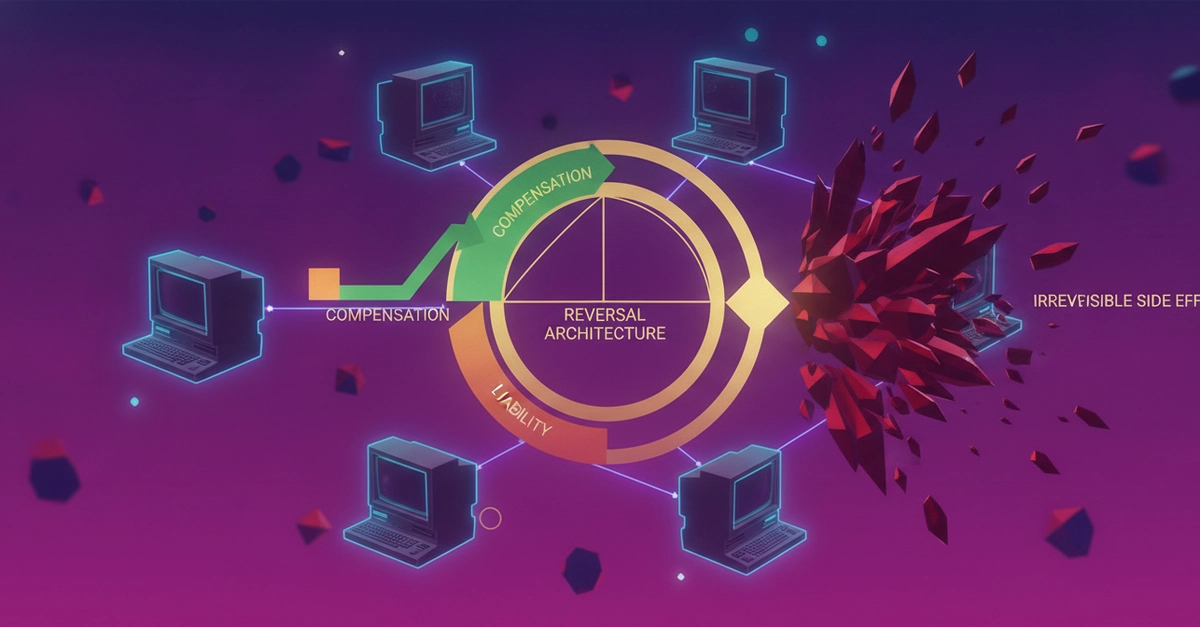
Distributed financial systems do not merely process transactions. They make decisions. A transaction is approved, rejected, delayed, escalated, signed, settled, reversed, or flagged based on a combination of ledger state, compliance rules, risk signals, custody policies, operational context, and sometimes human judgment.
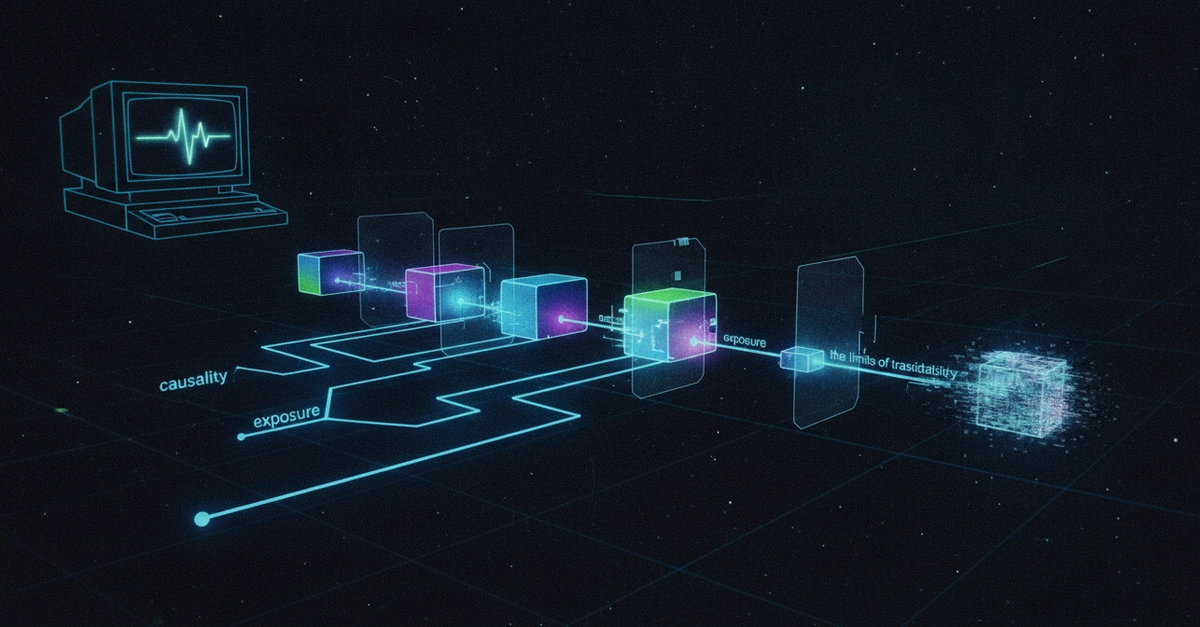
In many systems, the result of a decision is recorded, but the reasoning behind it is not. This creates a serious architectural gap. Without decision provenance, teams can observe what happened but cannot reliably reconstruct why it happened.
This article explores decision provenance as a core requirement in distributed financial infrastructure. We examine why audit logs are insufficient, how decision context is lost across service boundaries, and why systems that cannot explain their own decisions become fragile under compliance review, incident response, reconciliation, and operational recovery.
A financial system that cannot explain why it acted cannot be trusted to act safely.