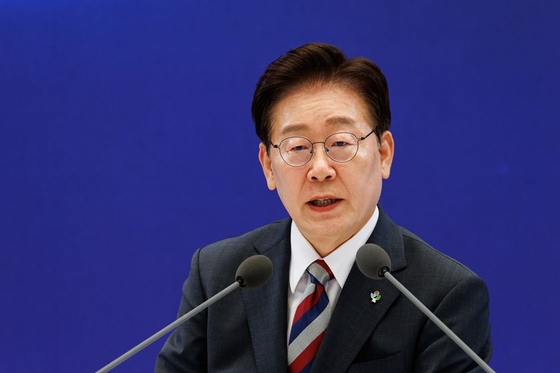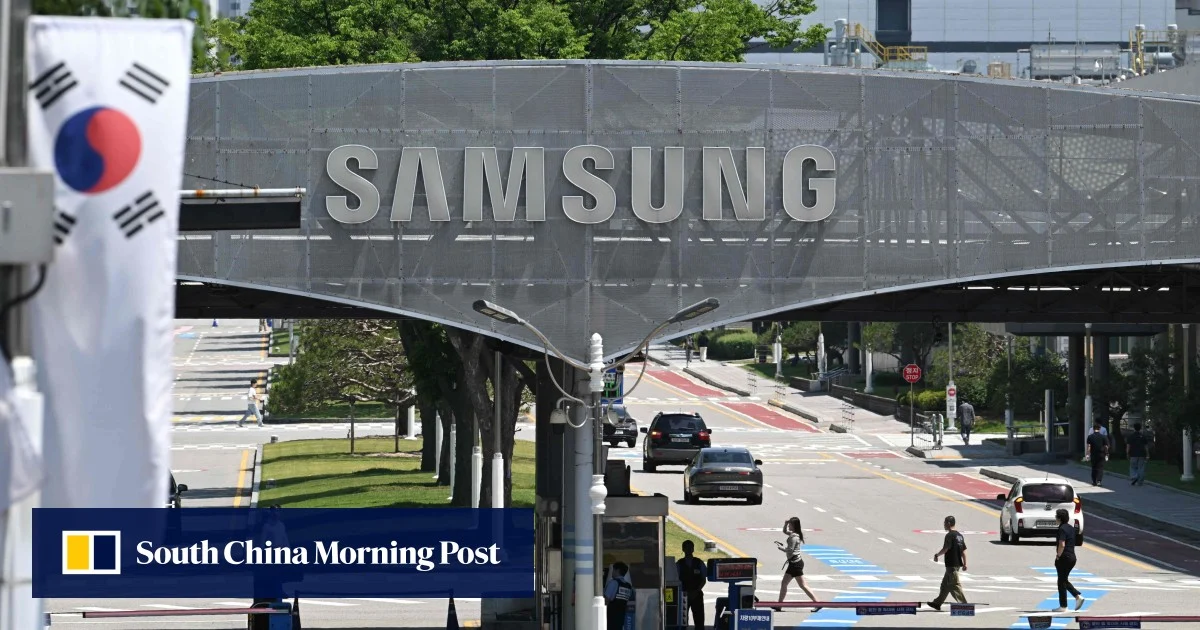
YOO CHOON-SIK Buoyed by soaring prices of high-performance semiconductors for the AI industry that the country exports, the South Korean government early last week unveiled medium- to long-term investment plans totaling some $1 trillion. But the announcement failed to win much enthusiasm from financial markets or overseas industry circles amid suspicion that political motives overwhelmed economic logic.Flanked by the heads of two of the world’s three largest producers of AI memory chips, President Lee Jae Myung announced plans to invest about 1,500 trillion won, mainly in the southwestern region, to build new AI semiconductor fabs and packaging facilities, strengthen AI robotics capabilities and construct large-scale AI data centers.Lee stressed that the decision was led by companies and could no longer be delayed if his country was to achieve such goals as reviving its falling growth potential, addressing a disastrous widening of regional economic disparities and gaining an edge in the global race for AI leadership.The announcement had been controversial even before it was made, and remains so, because the policymaking process was not disclosed transparently, because of suspicions that it was linked to internal tensions ahead of a key leadership election in the ruling party and because Lee himself acknowledged that the main investment region might not be the optimal choice in terms of economic logic.The government sees the global AI boom cycle as a golden opportunity to turn around not only the national economy but also the country’s national fortunes. To that end, it announced what it called three megaprojects, under which about 1,500 trillion won in private investment would be made over the next decade or so in high-performance semiconductors for AI, physical AI such as AI robots and AI data centers.GPU accelerators, a core component of the AI industry, are dominated globally by US-based Nvidia. But in HBM, the memory chips used in GPUs, Samsung Electronics and SK hynix together supply about 80 percent of global demand. The government believes the outlook for South Korean companies is bright, as demand continues to grow.To meet that demand, the government said the two companies would invest 800 trillion won to build four memory semiconductor fabs in the southwestern region of the Jeonnam-Gwangju Integrated Special City. The central and local governments promised to take responsibility for supplying infrastructure such as power and water, and to provide the maximum administrative support.The government also said it would concentrate policy capacity on areas such as humanoid robots. In particular, the government said the use of AI robots would surge in areas South Korea considers especially important, including manufacturing, logistics, defense and elderly care.As the third of the three megaprojects, the government said major companies including SK, GS and Naver plan to invest a combined 550 trillion won in the first phase to build large AI data centers in various regions.However, the reaction in financial markets was lukewarm, and criticism quickly spread that the announcement was more of a political event tied to domestic political circumstances.Financial market experts said that even if the announcement was sincere, it was unusual in itself to see the heads of two globally important corporate giants attend a presidential event like guests and watch as their companies’ massive investment plans were announced.Another source of controversy is that the site chosen for most of the new investment plans is the southwestern coastal region, whose economic feasibility is not considered especially strong. The region is a core support base for the ruling Democratic Party of Korea, and the announcement came about a month before the party’s leadership election, making it a target of political controversy.The fact that major global investment banks are not giving much weight to a project whose scale is twice the annual gross domestic product of countries such as Denmark or Malaysia also appears to support such criticism. When asked to comment on the three megaprojects, a South Korea economist at a global investment bank I contacted said the firm had decided not to publish a report on content with a political character.According to government data, South Korea’s total semiconductor exports in the first five months of this year rose 151 percent from a year earlier. This strong export performance is expected to boost government tax revenue far more than anticipated and lift the economic growth rate to its highest level in recent years.The problem is that the semiconductor industry has been trapped for decades in extremely short and severe boom-and-bust cycles. Experts say that, in addition to the political controversy, the cyclical nature of the industry and past experience have made financial markets strongly inclined not to take the government’s announcement at face value.A few hours after President Lee’s announcement of the three megaprojects, Samsung Electronics made clear in a stock market filing that “the size and schedule of the investment may change later,” adding that “these medium- to long-term investment plans are future plans based on current market conditions and are provided as guidelines to aid understanding, and may change depending on future market conditions and changes in the company’s business environment.”Even after that event, President Lee has continued visiting major regions, including the Jeonnam-Gwangju Integrated Special City, to hold events announcing astronomical investment plans. It is worth asking whether such announcements really need to be made through large presidential events.If the announcements are important to local residents, it would be more appropriate for the relevant local governments to host the events. If the content is important to companies, the companies themselves could announce it with sufficient effect.It is hard to see how much the national interest is advanced by repeatedly holding such events, bringing along some of the busiest corporate leaders in the world for announcements that immediately trigger political controversy and fail to draw much public attention.- - -Yoo Choon-sikYoo Choon-sik worked for nearly 30 years at Reuters, including as chief Korea economics correspondent, and briefly as a business strategy consultant. The views expressed here are the writer’s own. — Ed.
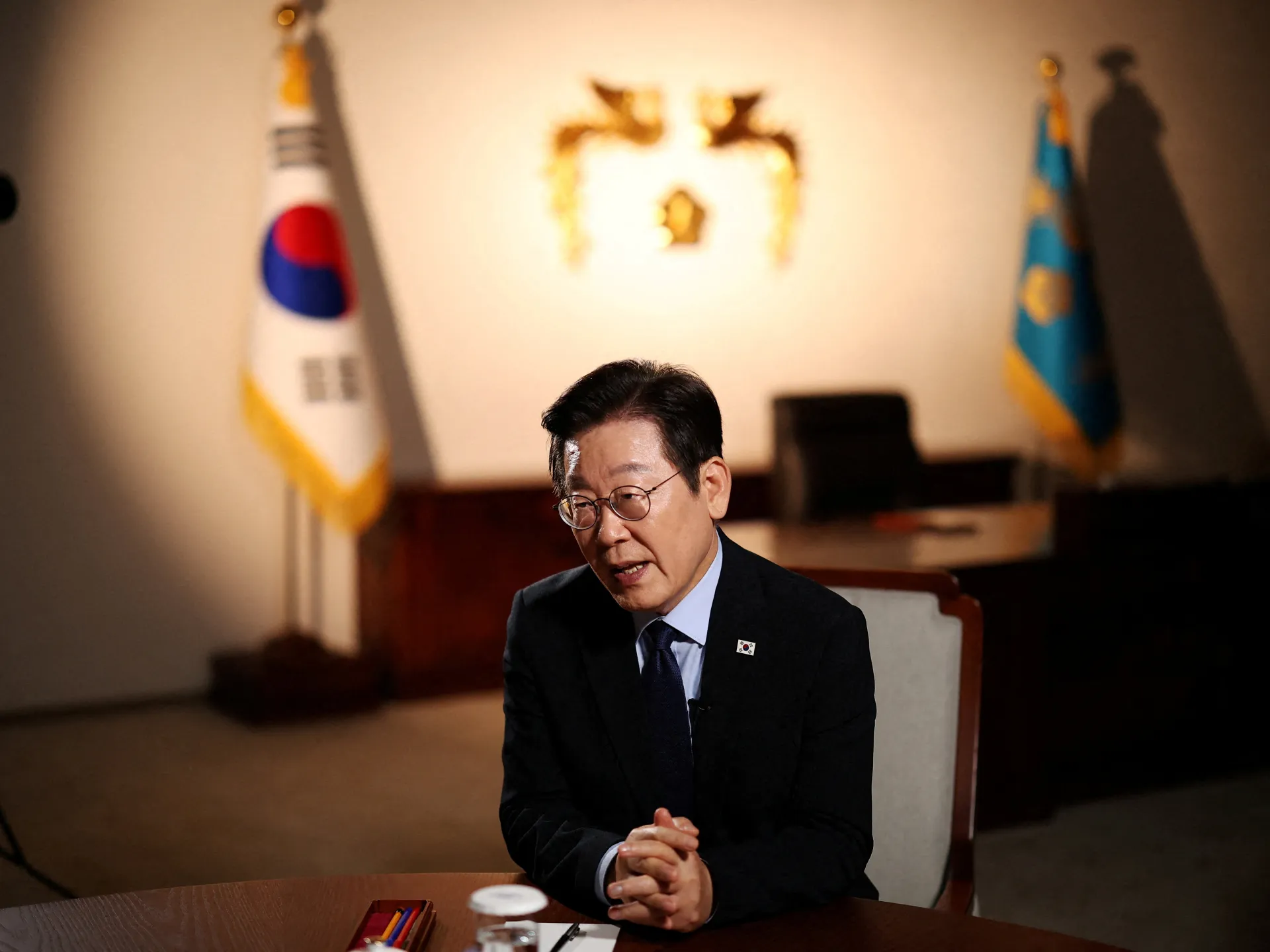
[Yoo Choon-sik] Korea’s trillion-dollar AI push meets skepticism
Buoyed by soaring prices of high-performance semiconductors for the AI industry that the country exports, the South Korean government early last week unveiled m
988 words~4 min read