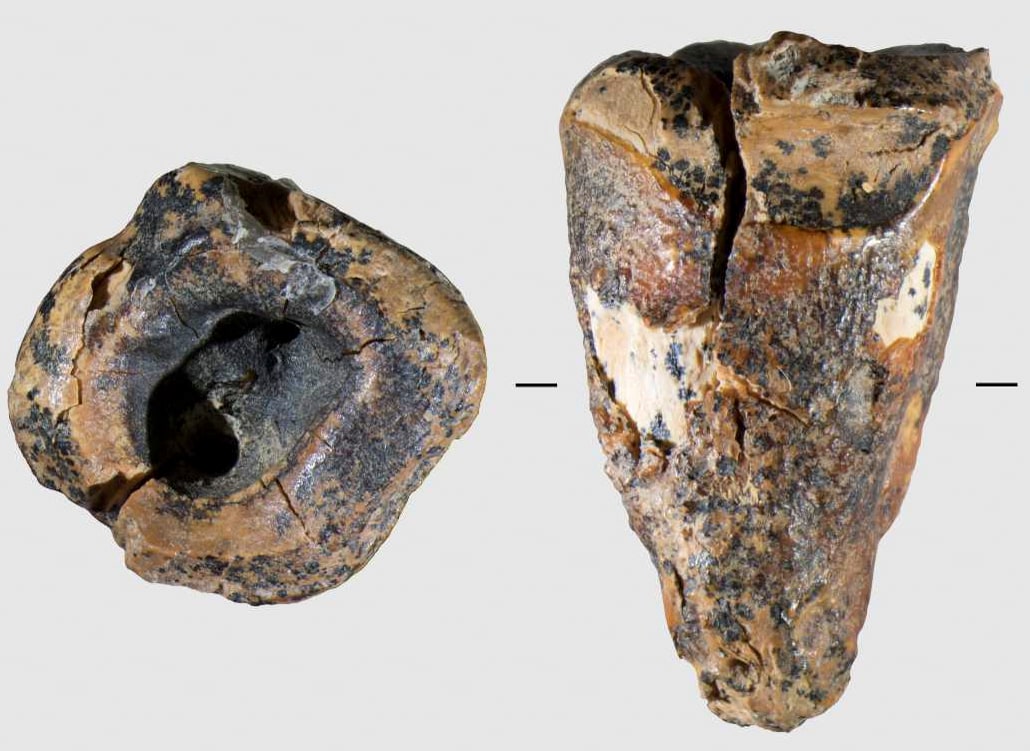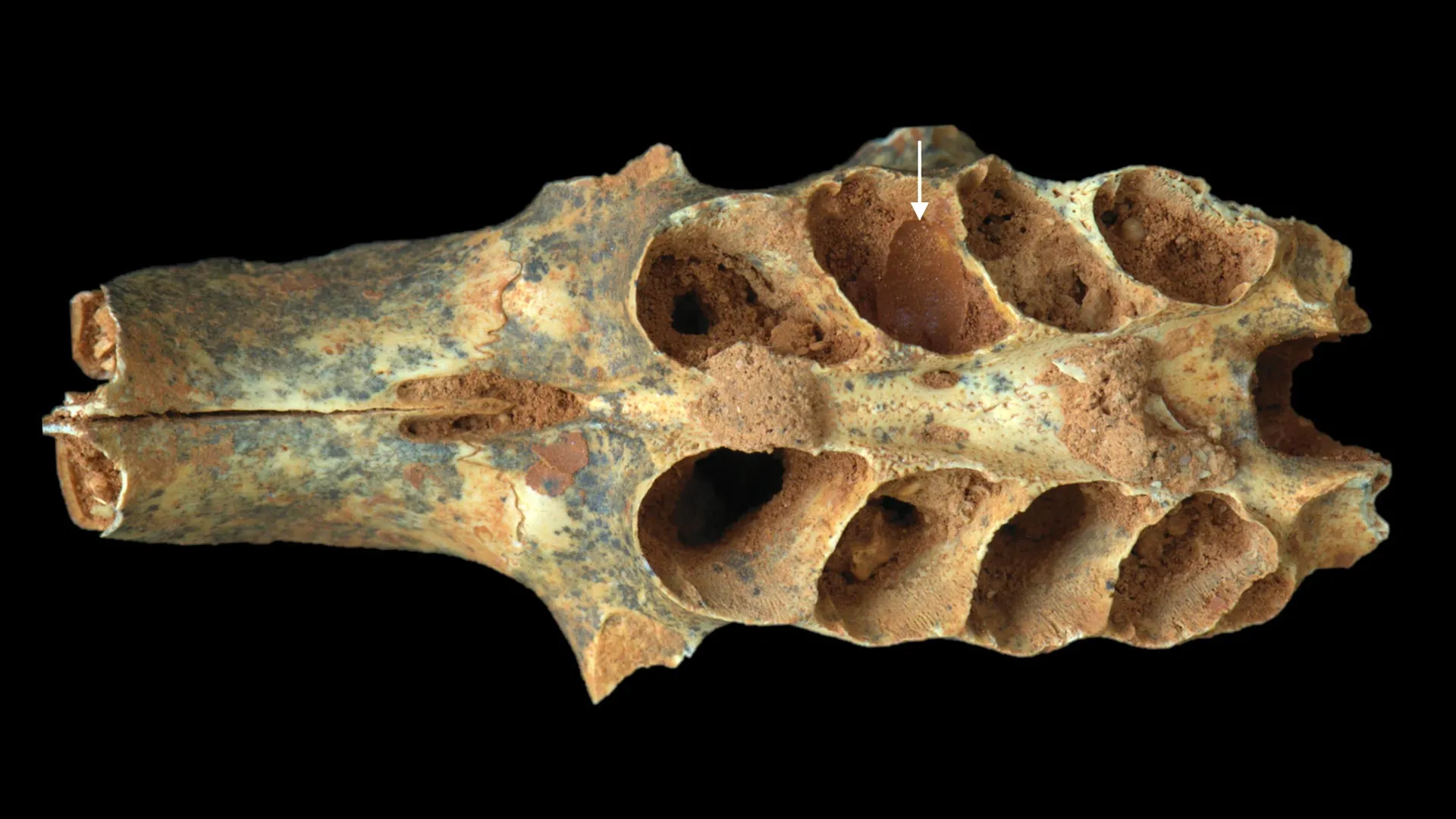
Around 20,000 years ago, a cave was home to generations of owls that regularly coughed up pellets containing the bones of their prey. Those discarded bones later became an unexpected resource for another group of animals. According to a new study published in Royal Society Open Science, ancient bees used the empty tooth sockets in the fossilized jaws as tiny nests for their offspring.
The discovery marks the first known evidence that bees used animal bones as places to lay their eggs, revealing an unusual nesting strategy that had never been documented before.
Fossil Rich Cave Preserved an Ancient Ecosystem
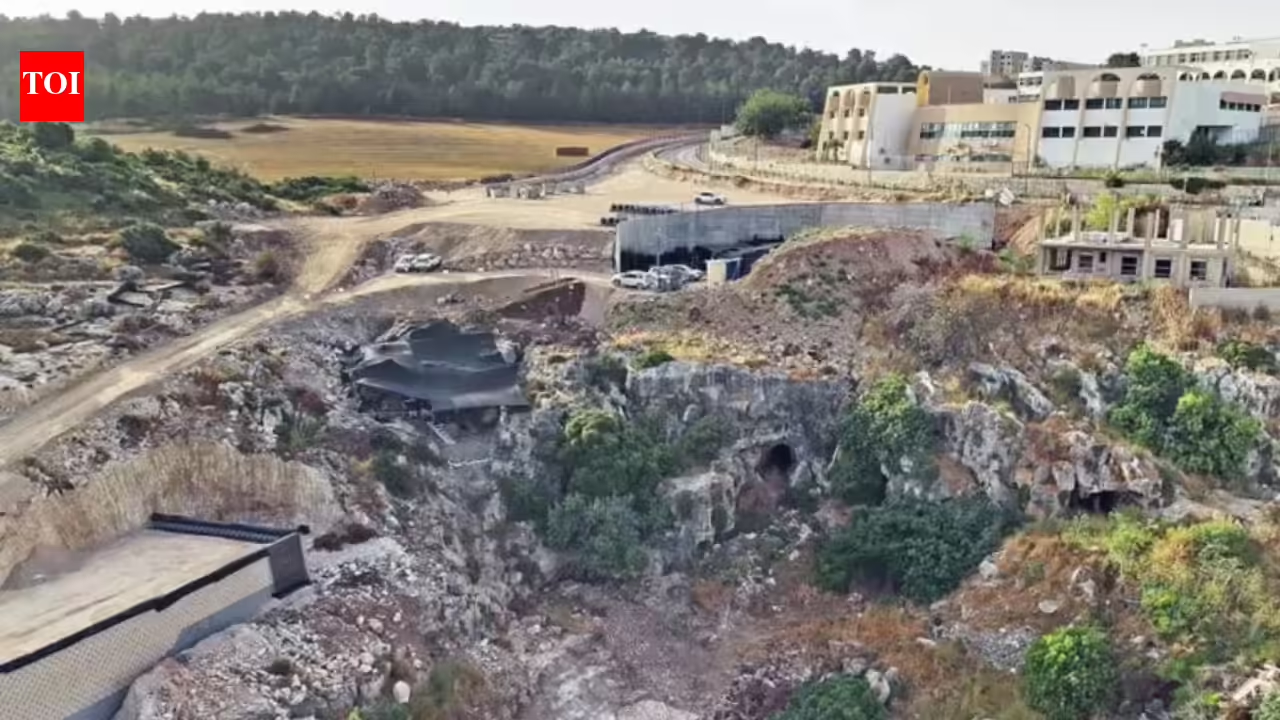
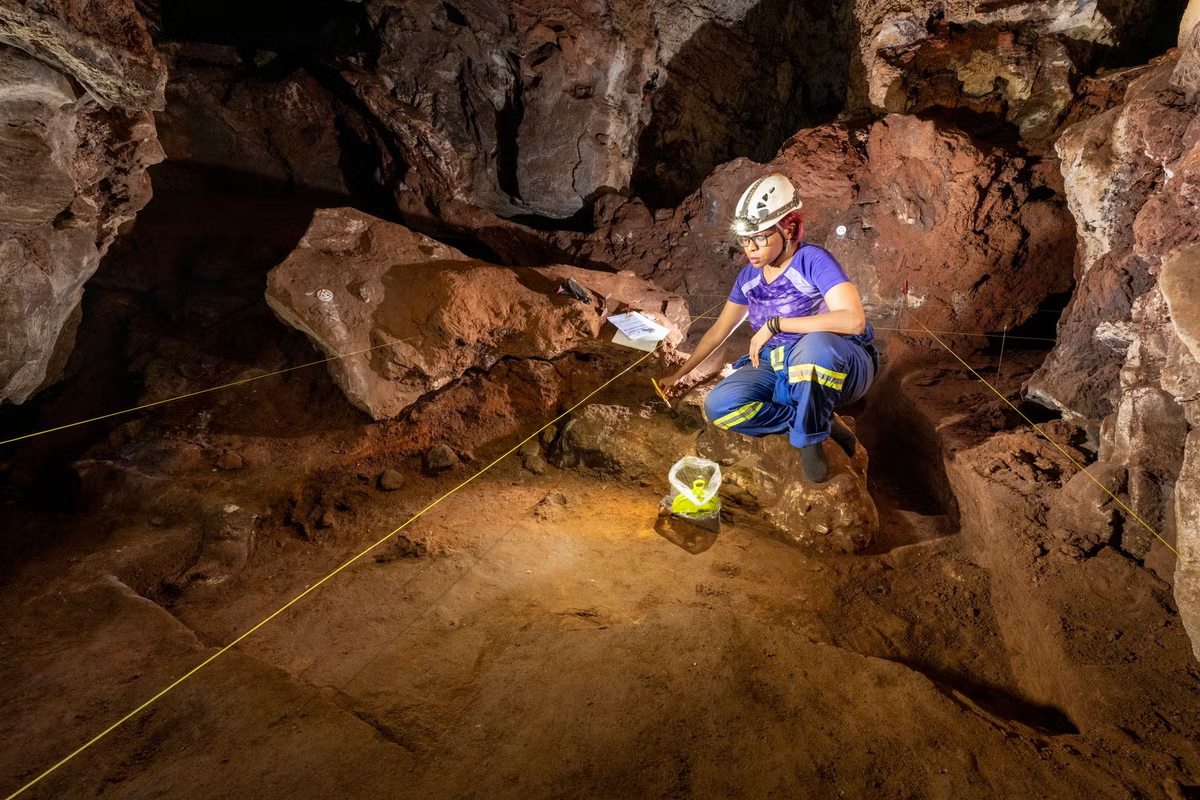
The Caribbean island of Hispaniola, shared by Haiti and the Dominican Republic, contains thousands of limestone caves.
"In some areas, you'll find a different sinkhole every 100 meters," says Lazaro Viñola López, a postdoctoral researcher at the Field Museum in Chicago and the study's lead author.