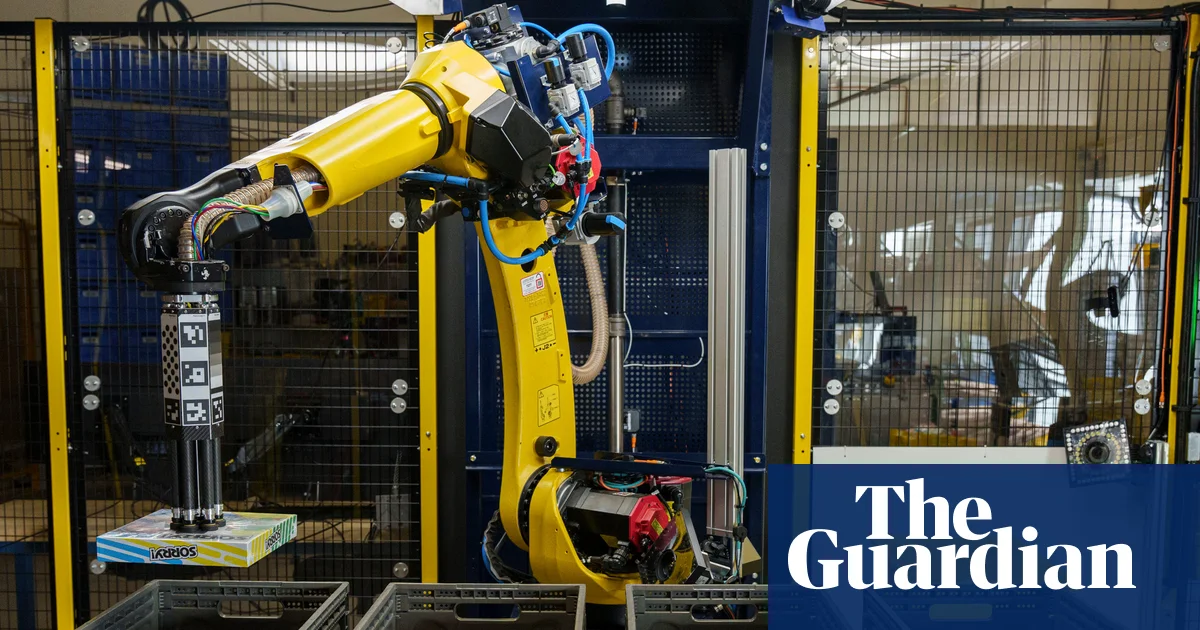
Marx saw what this cost the worker, the alienation of the labourer from the product of his labour, the reduction of human creativity to repetitive mechanical motion. But even within that brutalisation, something remained intact. The miner who descended into the earth was diminished by the descent; he was not dissolved by it. His consciousness, however narrowed and exhausted, remained his own. He went home. He dreamed. He felt hunger and desire and grief. The machine had captured his labour. It had not yet come for his interiority.This distinction between the conquest of nature and the conquest of the self is the central distinction of our civilisational moment, and we have almost entirely failed to notice it.
Also read: Science once drove technology, now the reverse is true. Here’s how to harness it
The Übermensch they never read
Nietzsche published Thus Spoke Zarathustra between 1883 and 1885, in the full blaze of industrial modernity. He watched the smokestacks and railways proliferate across Europe, and what he saw disturbed him in ways the utopian progressivists of his age could not fathom. He did not object to transformation. What he objected to was the kind of human being that industrial civilisation was producing: the Last Man.The Last Man is the anti-hero of Zarathustra’s opening speech, the creature who has invented happiness, who blinks, who seeks only comfort and the avoidance of suffering. He is not oppressed. He is worse than oppressed, he is satisfied. He has arranged his life so that nothing threatens him, nothing demands of him, nothing exceeds him. He has made himself, and this is Nietzsche’s most terrible word, manageable.Against the Last Man, Nietzsche proposed the Übermensch, not as a century of misappropriation has insisted, a racial or biological category, not the blond beast of Nazi fantasy, but a philosophical ideal describing a mode of existence in which the human being takes full, creative, sovereign responsibility for its own values. The Übermensch does not receive meaning from God, from the state, from the market, from the machine. It creates meaning. And crucially, what it overcomes is itself, its own complacency, its own inherited values, its own comfortable smallness. The overcoming is self-directed. It is not technological.When Elon Musk invokes enhancement, when transhumanists speak of uploading consciousness and merging with machine intelligence, they believe, with some fervour, that they are speaking Nietzsche’s language. They are speaking its precise opposite. They are describing the Last Man’s final achievement: The technological elimination of the necessity for self-overcoming at all.The factory of the soul