Introduction
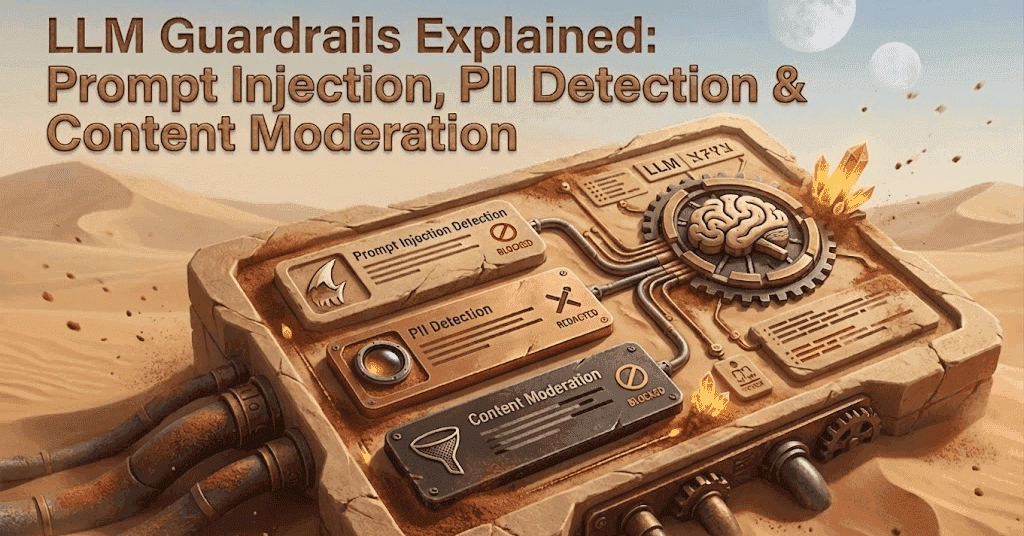
Every post in this series has quietly touched a piece of the same problem. Building Agentic Workflows in Java said toolUse.input() is untrusted and must be validated before it reaches your code. Building Reliable LLM Applications in Java said the model will confidently invent facts, so ground it and get typed output instead of parsing prose. Neither post named the thing underneath both statements: anything that crosses from outside your code into the model, or from the model back into your code, is untrusted input — a request body from the network, not a trusted internal value. This post names that boundary directly and gathers the defenses in one place — prompt injection (direct and indirect), input validation, output validation, and PII redaction — with the SAFE pattern shown beside every unsafe one it replaces, since this is the security-forward capstone of the series.
The Trust Boundary: Three Kinds of Untrusted Input
An LLM application has three places where untrusted text enters:
User input — anything a person types, uploads, or submits through an API.