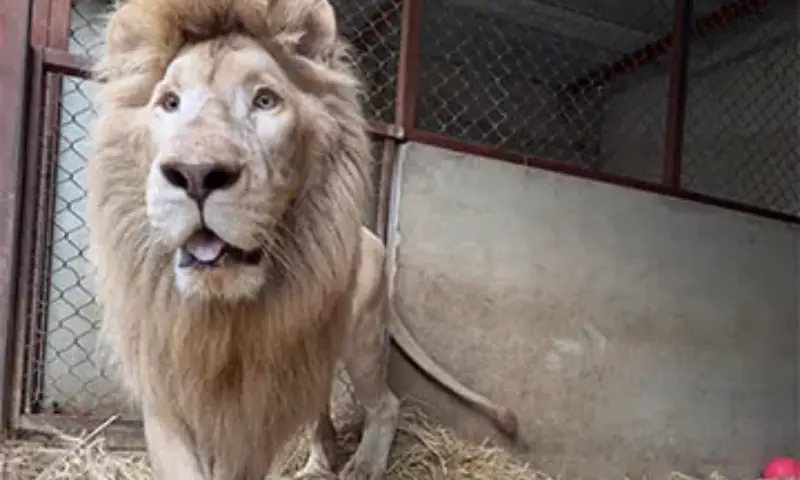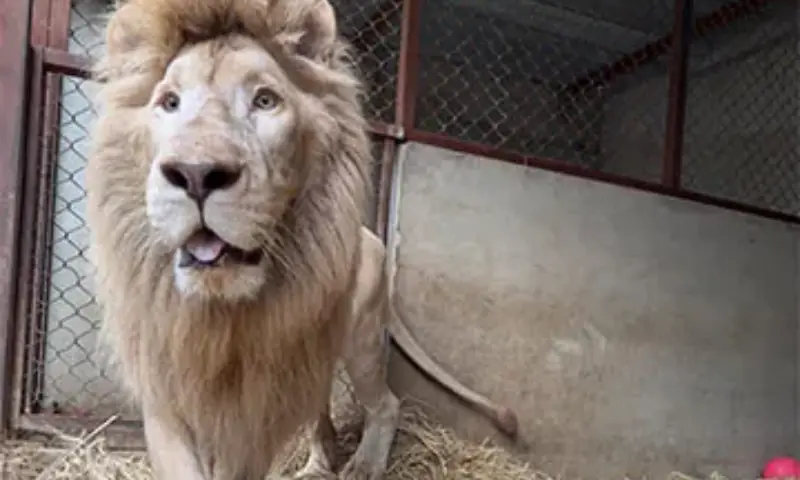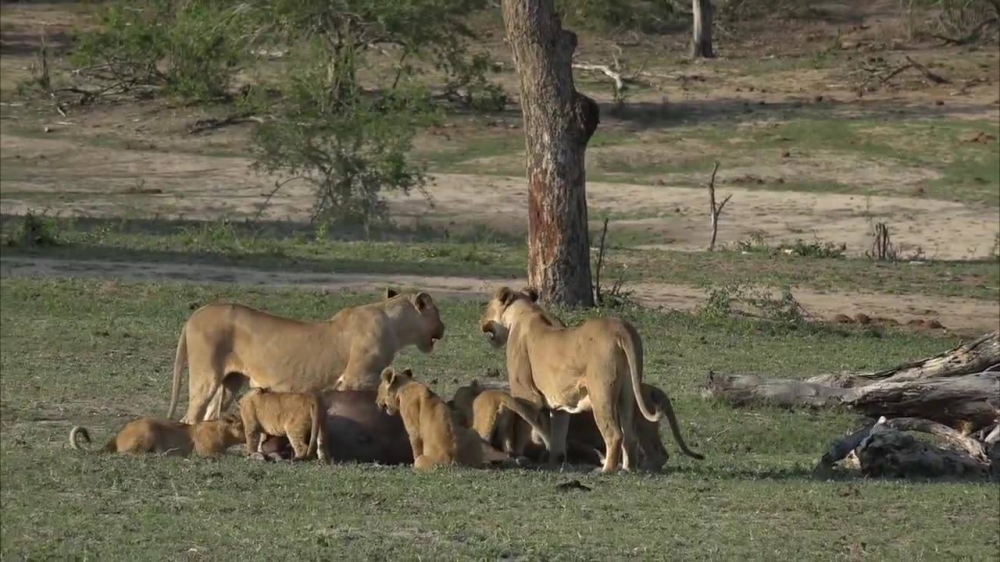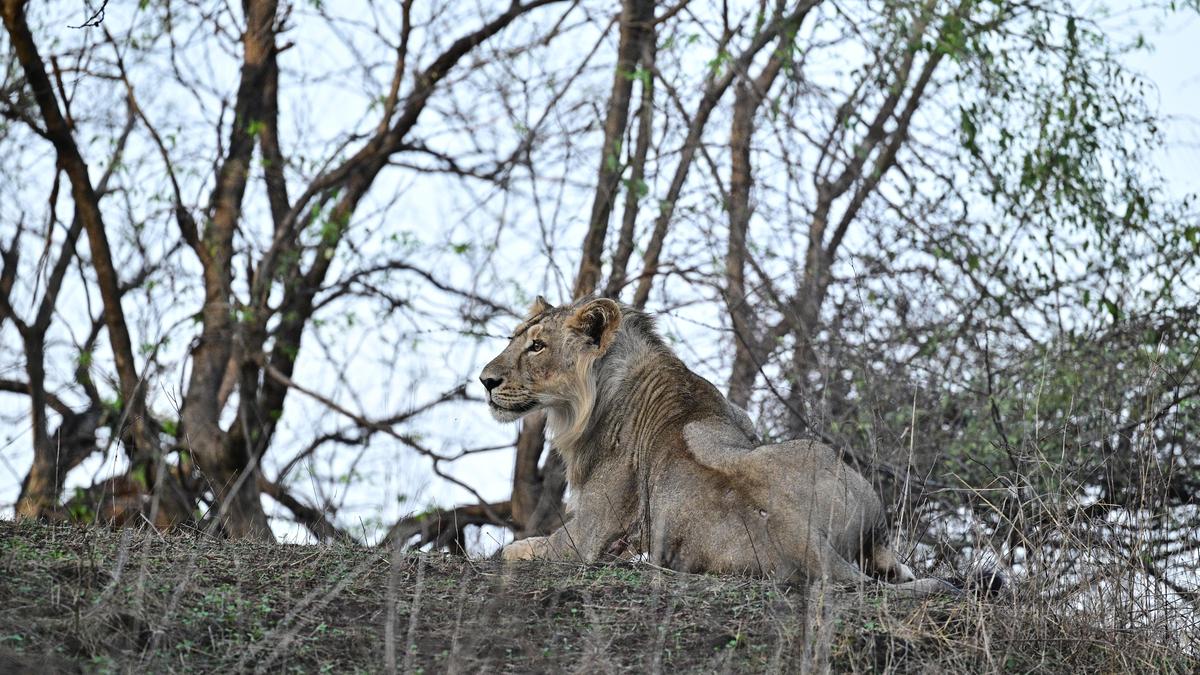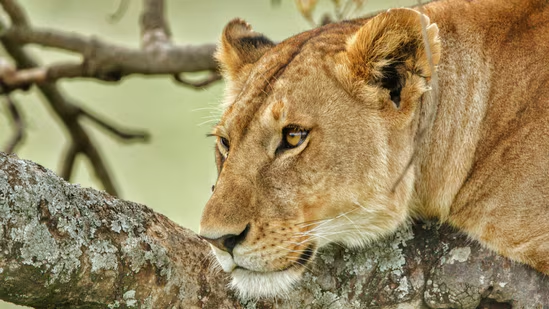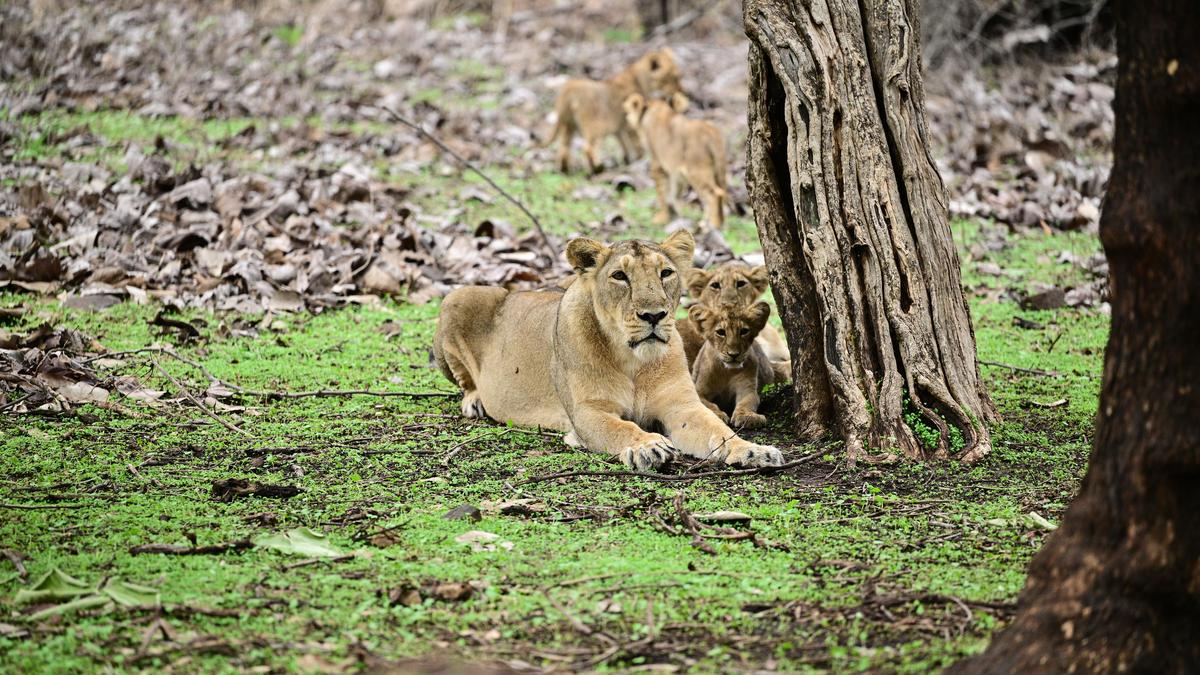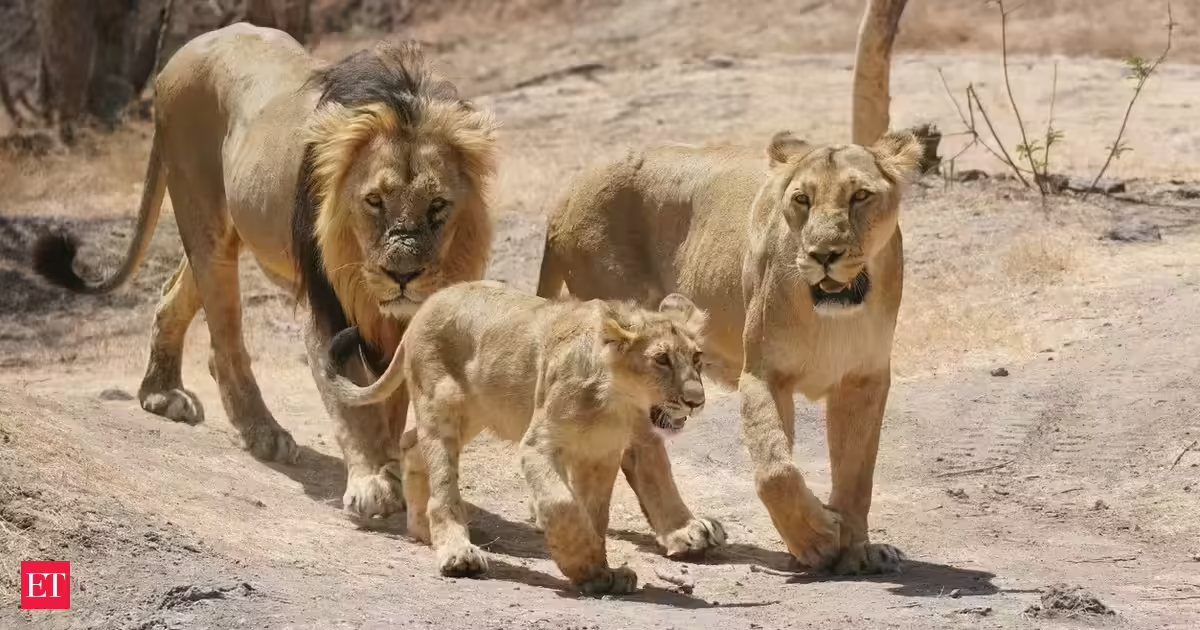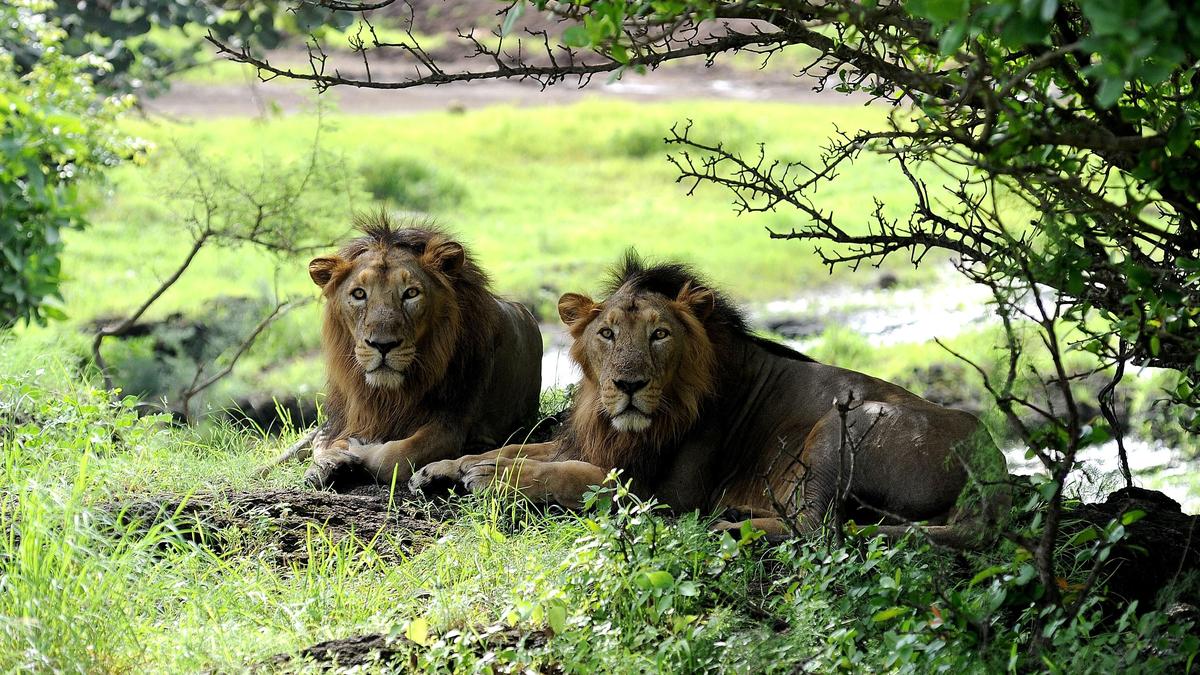
Two Lions enjoys afternoon time at Devadiya Park in Sasan Gir Sanctuary. File.
| Photo Credit: Vijay Soneji
India’s conservation of the Asiatic lion is widely celebrated as a remarkable success story. From a population which was reduced to just a few dozen in the early 20th century, the number of Asiatic lions has increased to approx. 891 today. Yet, behind this achievement lies a persistent policy failure: the inability to establish a second, geographically separate population. Scientific institutions, government bodies, and even the Supreme Court have long warned that without such a step, the species remains vulnerable to extinction from a single catastrophic event.A second dwellingThe need for a second home for Asiatic lions is rooted in decades of government-backed research. Multiple reports of the Wildlife Institute of India have consistently emphasised that a single population confined to one landscape is inherently vulnerable. Studies conducted since the 1980s have concluded that threats such as epidemics, forest fires, or other natural disasters could potentially wipe out the entire species if it remains geographically concentrated.This scientific consensus was formally acknowledged in the landmark Supreme Court judgment of April 15, 2013, which directed the translocation of Asiatic lions from Gujarat’s Gir forest to the Kuno National Park in Madhya Pradesh. The Court made it clear that conservation must be guided by ecological principles rather than regional considerations, stating that a second population was essential for the species’ long-term survival. The judgment explicitly recognised the risk that a single calamity could eliminate the entire population if it remained confined to one location.Despite this clear directive, the translocation project has been stalled for over a decade. Gujarat has consistently resisted the relocation of lions outside the State, citing its success in conserving the species and raising concerns about habitat suitability elsewhere. This has created a policy impasse between scientific recommendations, judicial mandates, and State-level political considerations. While the Kuno National Park was prepared specifically to host the lions — by relocation of villages and habitat restoration among others — no lions have been introduced there.Meanwhile, the ecological risks identified by experts have only intensified. The concentration of the entire global population of Asiatic lions within the Gir landscape makes them uniquely vulnerable to disease outbreaks. The 2018 outbreak of the Canine Distemper Virus among the population, which killed several lions and infected many others, serves as a stark reminder of this danger. Such diseases spread more rapidly in dense, socially structured populations, and their impact is amplified by the limited genetic diversity of the lions.Government-supported studies and conservation plans have repeatedly highlighted that geographically isolated carnivore populations face extinction risks from both biological and environmental factors. In a single-site population, even non-recurring events — such as droughts, wildfires, or sudden prey decline — can have disproportionate effects. This is why conservation science advocates for a “metapopulation approach”, where species are distributed across multiple habitats to reduce risk.Recognising these concerns, recent policy initiatives such as Project Lion (2020) have attempted to revive the discussion on expanding lion habitats. There have been proposals to develop alternative sites such as the Barda Wildlife Sanctuary within Gujarat itself. However, experts argue that such sites, being geographically close to Gir, may not adequately address the core issue of risk diversification. A second population must be sufficiently distant to prevent the spread of disease or disaster across both populations simultaneously.The delay in establishing a second home raises broader questions about environmental governance in India. It reflects a tension between national conservation priorities and State-level interests, where wildlife — though constitutionally recognised as a shared responsibility — can become entangled in regional identity and political considerations. The Supreme Court had clearly stated that Asiatic lions are a national heritage, not the property of any single State, yet implementation of this principle remains incomplete.From success to securityUltimately, the issue is whether India is willing to move from conservation success to conservation security. The current situation represents a paradox: a thriving population that remains ecologically fragile. Without establishing a second free-ranging population, the gains of decades of conservation effort remain vulnerable to reversal. The case of the Asiatic lion underscores a fundamental principle of modern conservation: numbers alone do not ensure survival; resilience does. Creating a second home is an ecological necessity; continued delay in implementing this vision risks turning a global conservation triumph into a preventable ecological vulnerability.Richa Singh is a Senior Consultant at EY India, with a focus on forest management, wildlife conservation and biodiversity assessment Published - July 06, 2026 12:15 am IST