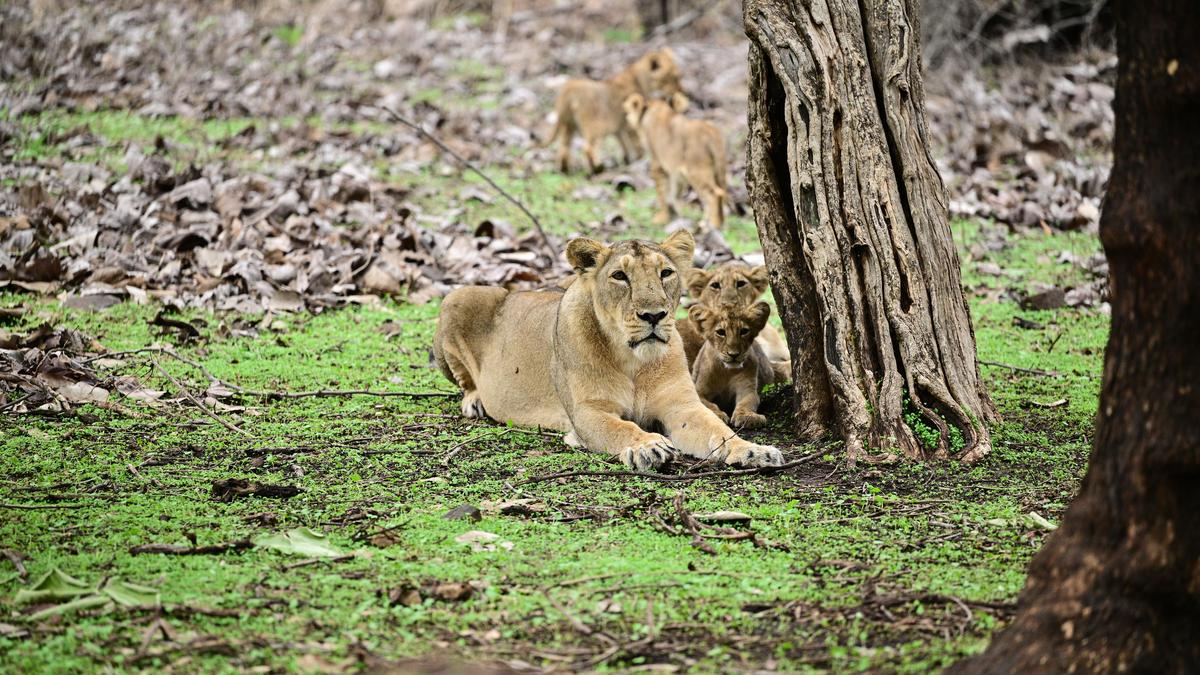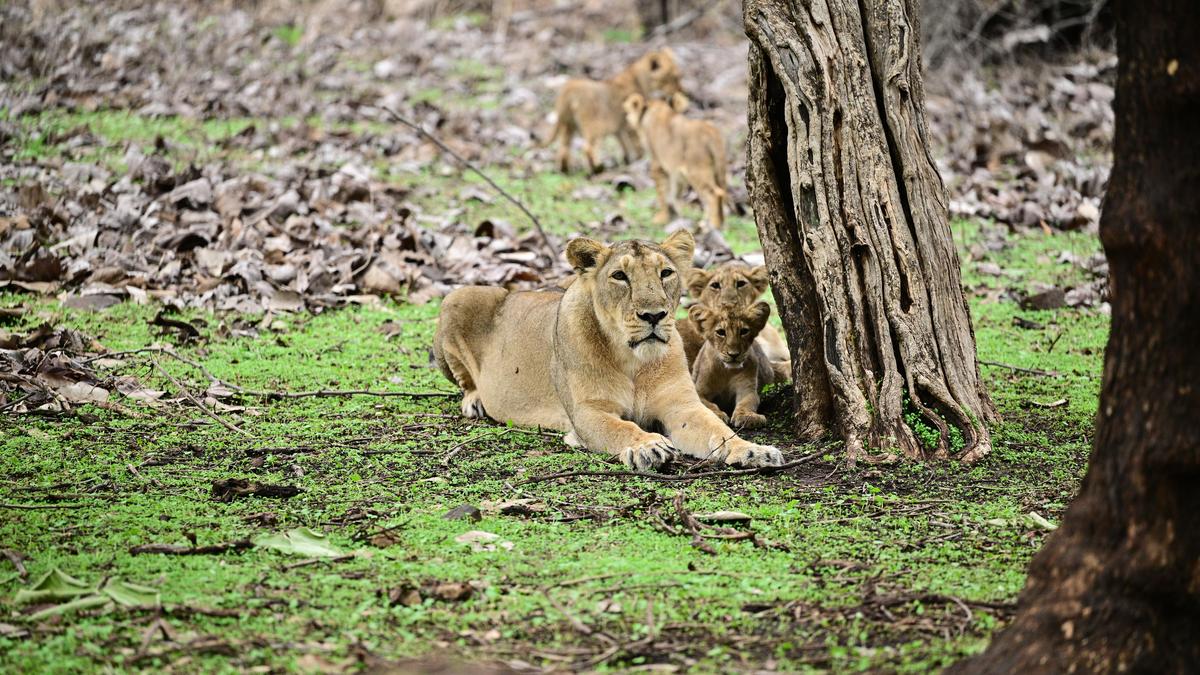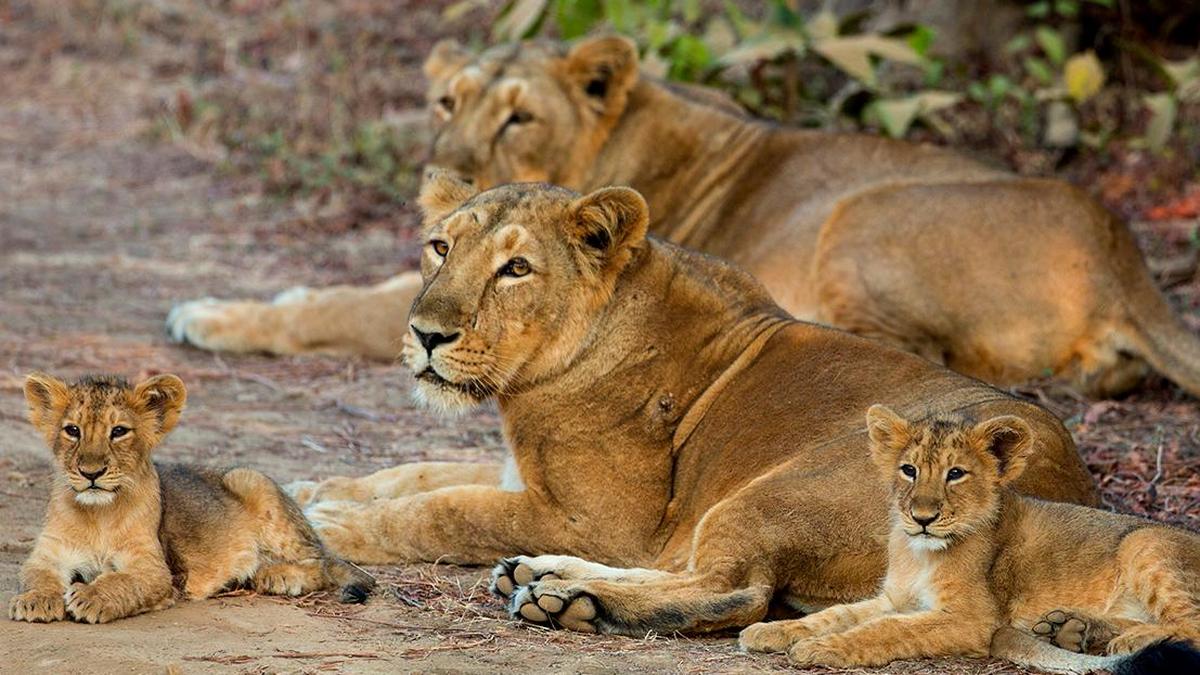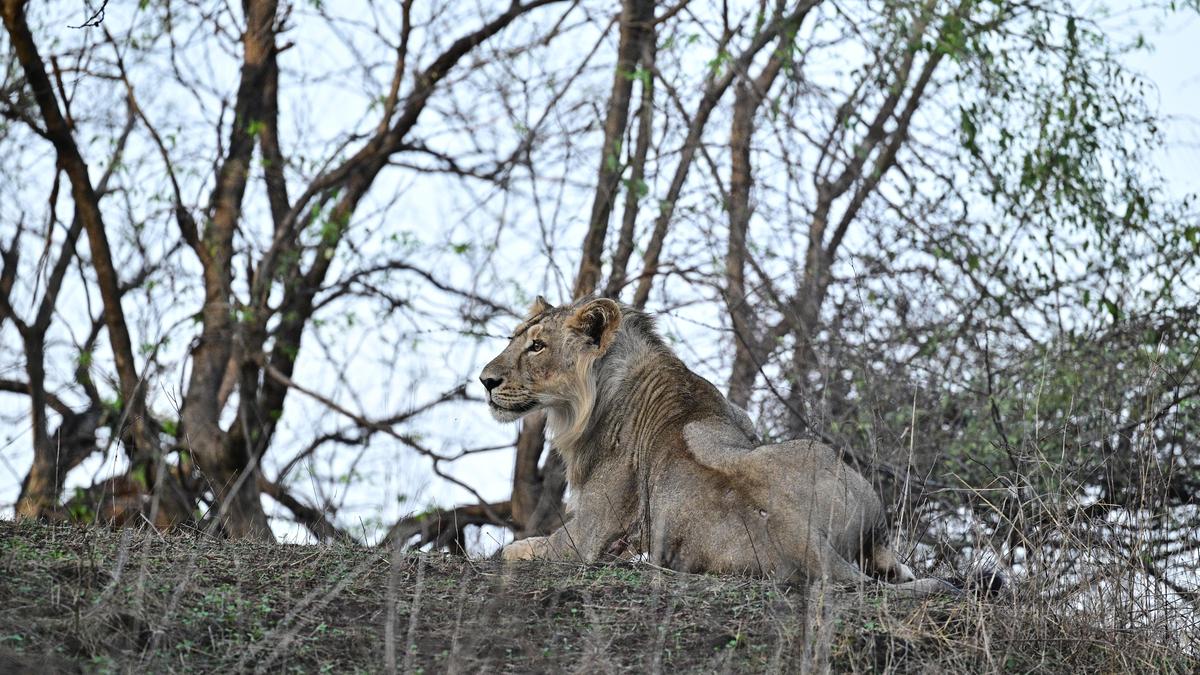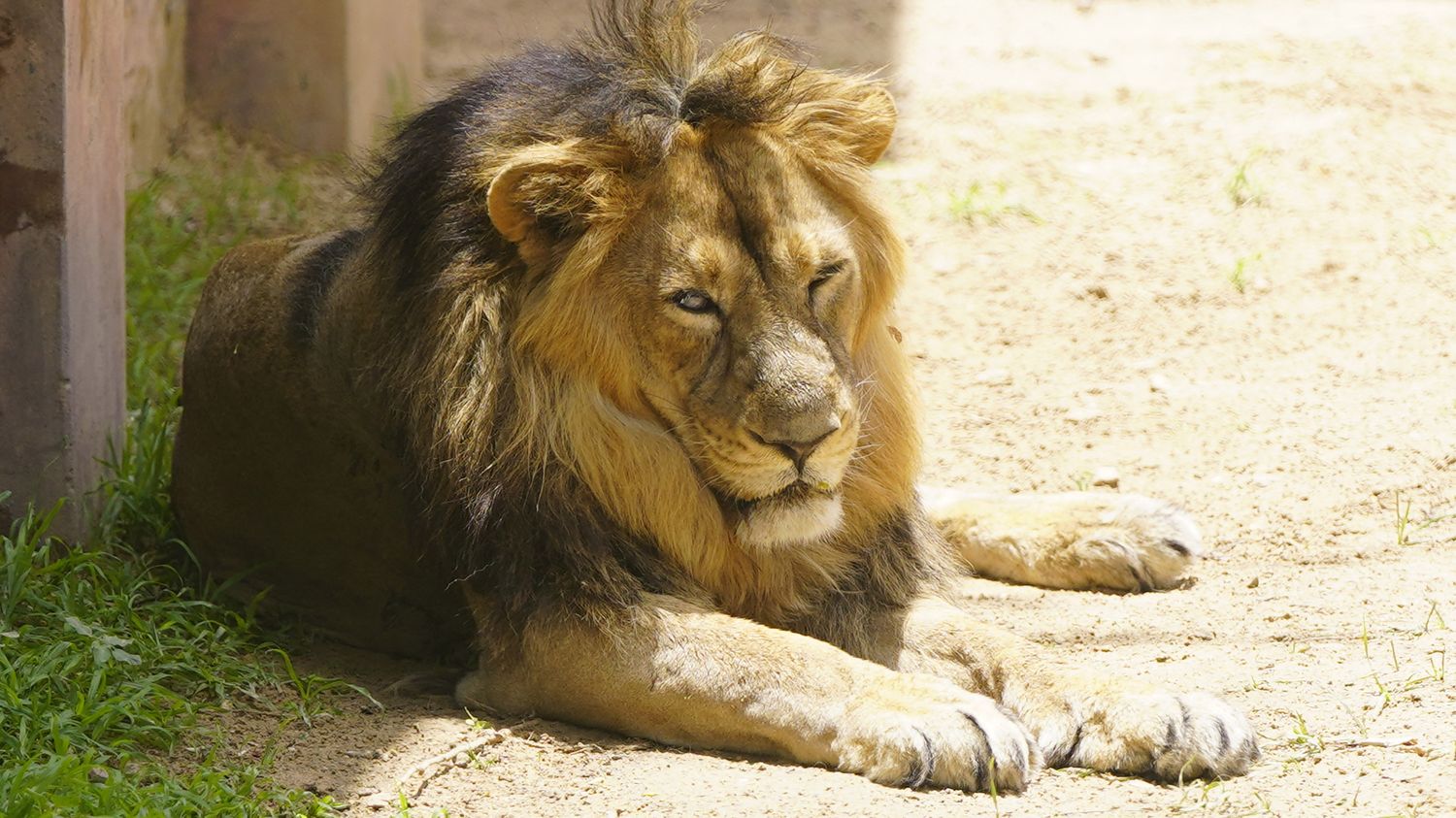
Ahmedabad: Five Asiatic lions, including two cubs, have died in the Gir landscape over the last ten days, with no indication of any disease outbreak, forest department officials said.Representational image.The deaths were reported from the Gir East and Gir West divisions of Gir National Park and Wildlife Sanctuary. Gujarat forest minister Arjun Modhwadia on Tuesday said two cubs are suspected to have died due to infection linked to Babesia, while the remaining deaths occurred due to fighting or other reasons.He said the government does not see any large-scale health concern in the region and described the deaths as part of routine mortality in a free-ranging population. Samples from the carcasses have been collected and sent for laboratory testing, he said.A senior forest department official said that of the five deaths reported in the last ten days, one was due to injuries suffered in fighting and two due to natural causes.Babesia infection spreads through ticks and affects red blood cells, leading to weakness, respiratory distress and nasal discharge. Following the deaths, forest teams have stepped up surveillance in the affected ranges. Officials are monitoring lion groups and checking for symptoms.The Asiatic lion is found only in Gujarat in the wild. The 2025 census recorded 891 lions, up from 674 in 2020. The population has expanded beyond the protected area into districts such as Amreli, Gir Somnath and Bhavnagar.Forest officials said lion deaths occur every year due to age, disease and territorial conflict, with cubs being more vulnerable to infections and environmental stress. They said the present deaths do not indicate any unusual trend.In 2018, an outbreak involving Canine Distemper Virus and secondary Babesia led to the death of 24 Asiatic lions in less than a month in the Gir landscape. Authorities then carried out isolation and treatment measures to contain the spread. Officials said no such clustering or pattern has been observed in the current deaths.The forest department conducts post-mortem examinations of all lion deaths and maintains disease surveillance. Tissue samples are sent to laboratories for testing, and veterinary teams remain on alert in Gir and adjoining areas.Monitoring will continue in Gir East and Gir West with increased patrolling and sample collection over the coming days, forest department officials said.The Centre last year approved Project Lion with an outlay of about ₹2,900 crore to secure the long-term survival of the Asiatic lion through habitat expansion, disease control and scientific management.Under the plan, a National Referral Centre for Wildlife Health is being developed in Gujarat to strengthen disease surveillance, diagnostics and treatment. The project also includes developing Barda Wildlife Sanctuary in Porbandar district as a second home for lions to create a separate population outside the Gir landscape and reduce risk from epidemics.
Five lion deaths in Gir in 10 days, minister says no outbreak signs
Five Asiatic lions, including two cubs, have died in Gujarat's Gir landscape, with no disease outbreak indicated; deaths deemed routine mortality. | India News
451 words~2 min read